Understanding the Bandsaw Riser Block and Why It Matters
If you own a 14 inch bandsaw and find yourself frustrated by its limited resaw capacity, a bandsaw riser block might be exactly what your shop needs. This cast iron spacer installs between the upper and lower frame sections of your saw, effectively doubling your vertical cutting capacity from approximately 6 inches to a full 12 inches. Rather than investing in a larger machine, many woodworkers discover that this relatively simple upgrade transforms their existing equipment into a far more capable tool. The riser block kit typically includes the spacer itself, an extended guide post, a longer blade guard, an upgraded tension rod, mounting hardware, and installation instructions. For small shop owners and hobbyists who want to resaw lumber, create their own veneer, or slice turning blanks without spending thousands on a bigger bandsaw, this upgrade represents a practical middle ground between making do with limitations and purchasing entirely new equipment.
Key Benefits of Adding a Riser Block to Your Bandsaw
When you install a bandsaw riser block, you gain several meaningful advantages that can change how you approach projects in your shop.
- Your resaw capacity jumps from roughly 6 inches to 12 inches, opening up possibilities for working with wider stock
- The cost savings compared to purchasing a 17 or 18 inch bandsaw can reach several hundred dollars or more
- Your shop footprint stays exactly the same since the saw only grows taller, not wider or deeper
- You can create book matched panels from thick boards that previously would not fit under your guides
- Slicing your own veneer from figured lumber becomes practical and economical
- Bowl blanks and turning stock can be cut from larger pieces of wood without needing outside help or equipment
How Resaw Capacity Changes Your Woodworking Options
The jump from 6 inches to 12 inches of resaw capacity sounds like a simple numerical improvement, but it genuinely expands what you can accomplish. Consider that many rough sawn boards from lumber suppliers measure 8 to 10 inches wide, and you will immediately see why 6 inches of capacity feels limiting. With a riser block installed, you can take an 8/4 board of walnut and slice it into matching panels for a jewelry box lid. You can purchase thick slabs of figured maple and mill them into bookmatched tops for small tables. Woodturners find particular value here because they can slice large bowl blanks from logs or reclaimed timber without wrestling the material to a larger saw at a friend’s shop. This upgrade essentially removes a ceiling that many woodworkers hit early in their bandsaw experience.
What Comes in a Typical Riser Block Kit
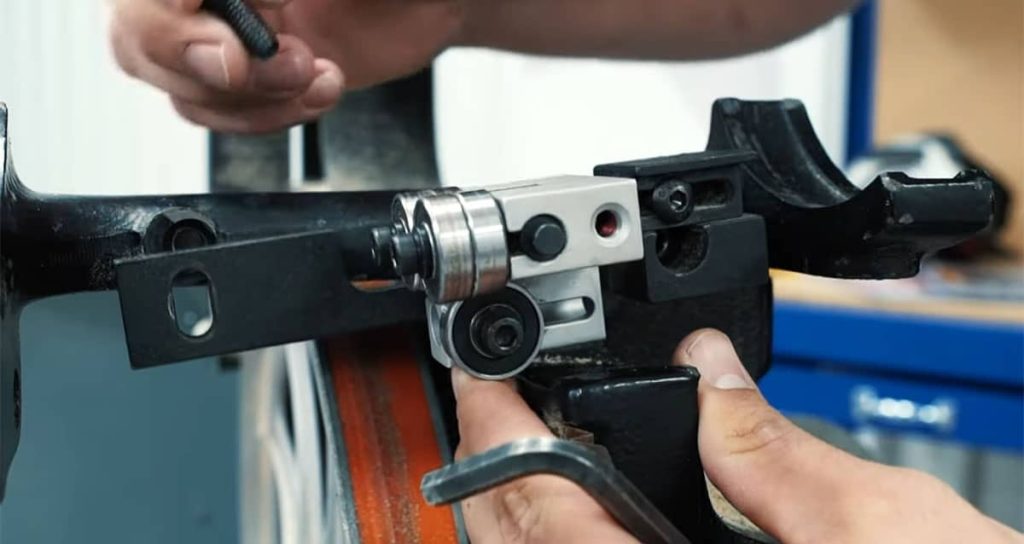
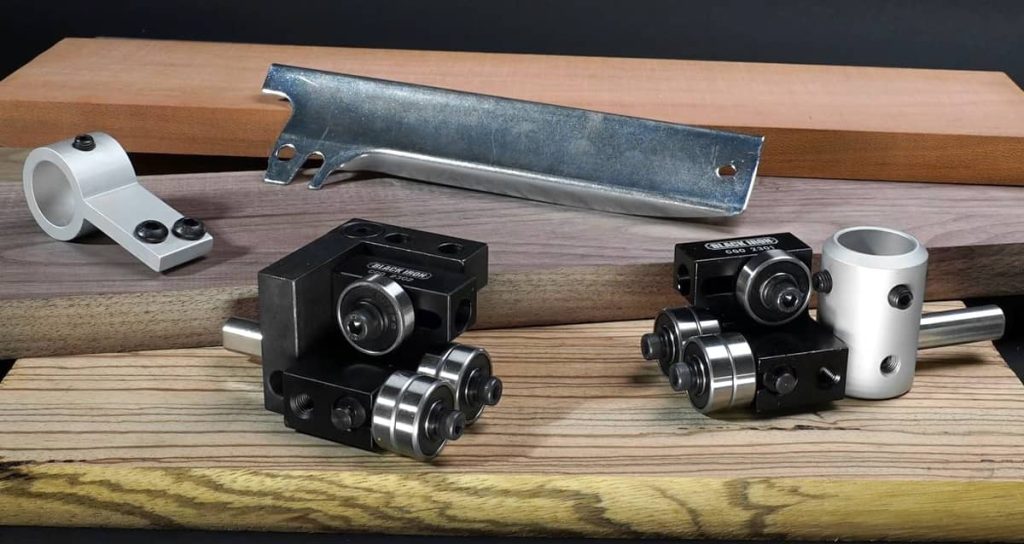
A quality bandsaw riser block kit contains more than just the cast iron spacer. The longer guide post extends your blade support system to accommodate the additional height, ensuring proper blade tracking throughout the expanded cutting range. The extended blade guard maintains safety coverage over the newly exposed blade length above the table. A longer tension rod allows the upper wheel assembly to apply proper tension across the extended frame distance, which matters significantly for accurate cuts. Most kits also include alignment pins or dowels that help position the riser block correctly during installation. The hardware typically consists of longer bolts and fasteners sized for the increased frame height. Good kits provide clear instructions with step by step guidance, though installation still requires careful attention to alignment and tensioning procedures.
Bandsaw Riser Block Compatibility Chart
| Bandsaw Model | Frame Type | Compatible | Notes |
| Delta 28-203 | Cast Iron, Two Piece | Yes | One of the most common candidates |
| Jet JWBS-14CS | Cast Iron, Two Piece | Yes | Verify guide post diameter before ordering |
| Grizzly G0555 | Cast Iron, Two Piece | Yes | Popular choice for riser upgrades |
| Rikon 10-324 | Cast Iron, Two Piece | Yes | Check for model-specific kit availability |
| Steel Frame Models | Welded Steel | No | Frame design prevents installation |
| Single Piece Cast Iron | Integrated Frame | No | Cannot be separated for riser insertion |
Understanding Compatibility Before You Buy
Not every 14 inch bandsaw accepts a riser block, and purchasing the wrong kit leads to frustration and wasted money. The key requirement is a two piece cast iron frame design where the upper and lower sections bolt together at a seam. Single piece frames and welded steel frames simply cannot accommodate a riser block because there is no separation point for installation. Before ordering, identify your exact bandsaw model and confirm the frame construction type. Check the guide post diameter since some saws use slightly different sizes that require specific replacement posts. Your wheel size should measure 14 inches because riser blocks are engineered for this standard dimension. Brand specific kits exist for popular models, and using the correct kit ensures proper alignment pin placement and bolt hole positioning. Taking measurements and photos of your saw before purchasing helps you or a supplier confirm compatibility.
Potential Drawbacks to Consider
While the benefits appeal to many woodworkers, honest evaluation requires acknowledging some limitations of the bandsaw riser block modification.
- Frame rigidity decreases slightly because you are adding a joint where solid material once existed
- Maximum blade tension may reduce somewhat, which can affect cutting accuracy in dense materials
- Vibration can increase if the installation is not done with careful alignment
- Installation takes between one and two hours for most woodworkers with moderate mechanical skills
- Blade tracking may require more frequent adjustment after the modification
- The upgrade is not reversible without returning to original blade length and keeping extra parts on hand
Installation Overview and What to Expect
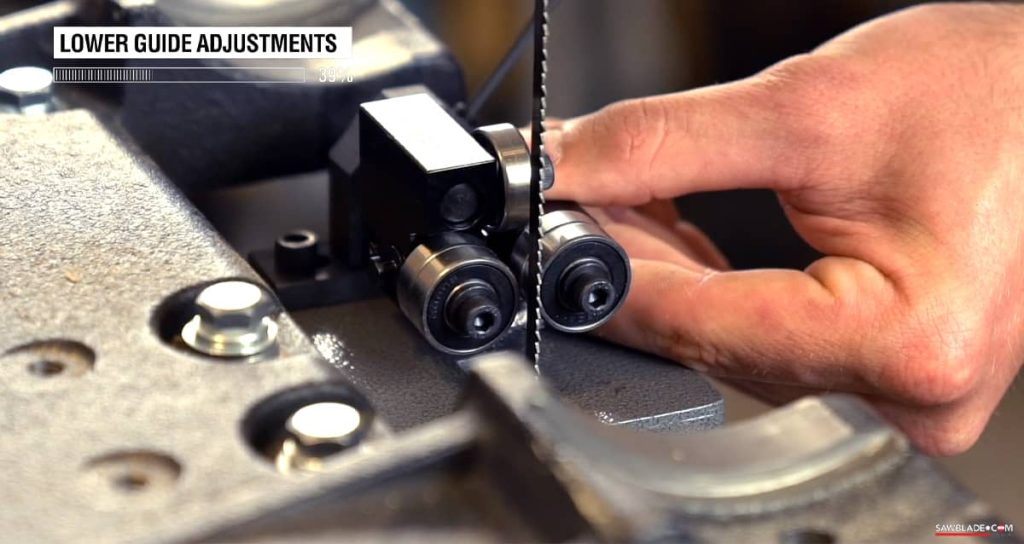
Installing a bandsaw riser block is a manageable project for woodworkers comfortable with basic mechanical work, though it requires patience and attention to detail. Start by unplugging the saw completely and removing the existing blade along with the guide assembly. The upper frame section needs support before you remove the bolts connecting it to the lower frame, and a helper makes this step considerably easier. Once separated, the riser block positions between the frame sections using alignment pins to ensure proper placement. The longer guide post and tension rod install next, followed by careful reassembly of the upper frame section. After bolting everything together, you install a longer blade, typically around 105 inches compared to the original 93.5 inch length. The final steps involve tracking the new blade, applying proper tension, and realigning your guides and table. Plan for some trial and error during initial setup as you dial in the modified saw.
ALSO WORTH READING
Struggling With a Shaky Bandsaw?
If your bandsaw has been giving you trouble with excessive vibration, you’re not alone. Vibration issues can affect cut quality and make your work frustrating. We put together a detailed guide that walks through the common causes of bandsaw vibration and offers practical fixes you can try in your own shop. It covers everything from wheel alignment to blade tension, so you can get your saw running smoothly again.
Who Benefits Most from a Riser Block Upgrade
The bandsaw riser block makes excellent sense for certain woodworkers while proving less practical for others.
- Hobbyists who occasionally resaw wide boards but cannot justify a larger saw purchase
- Small shop owners working in limited space who need vertical capacity without expanding their footprint
- Budget conscious woodworkers who want expanded capability without major equipment investment
- Furniture makers who periodically need to create bookmatched panels or thick resawn stock
- Woodturners seeking to prepare bowl blanks and turning squares from larger material
When a Riser Block Might Not Be Right for You
Production shops running daily resaw operations will likely find that a riser block modification falls short of their needs, as the slight reduction in rigidity and tension capacity becomes more noticeable under heavy use. If your work regularly involves dense exotic hardwoods that demand maximum blade tension and rock solid frame stability, a dedicated larger bandsaw serves you better. Woodworkers already planning to purchase a 17 or 18 inch machine in the near future should probably skip the riser block since the investment makes less sense when a bigger upgrade looms. Saws powered by motors under 1 horsepower often struggle with wide resaw cuts regardless of capacity, making the riser block modification less valuable. If your current bandsaw already shows signs of tension problems or tracking issues, adding a riser block will likely amplify those existing concerns rather than solve them.
Blade Requirements After Installing a Riser Block
Your blade needs change after installing a riser block, and selecting the right bandsaw blades for resawing makes a significant difference in cut quality.
- Blade length increases from approximately 93.5 inches to around 105 inches for most 14 inch saws with risers
- Blade width of 1/2 to 3/4 inch provides the beam strength needed for straight resaw cuts
- Tooth count around 3 TPI works well for most resaw applications in typical hardwoods
- Hook tooth geometry clears chips efficiently and reduces blade loading during deep cuts
- Bi-metal or carbide tipped options handle extended use and abrasive materials better than standard carbon steel
Making the Decision for Your Shop
The bandsaw riser block stands as one of the most practical upgrades available for owners of solid 14 inch cast iron bandsaws. It costs a fraction of what a larger saw demands while delivering meaningful capability improvements for occasional resaw work. The installation process requires mechanical comfort but nothing beyond typical shop skills. For woodworkers who need more capacity without more floor space or budget allocation, this modification hits a sweet spot that few other upgrades match. Taking time to verify compatibility, understanding the limitations, and selecting appropriate blades for your modified saw sets you up for success. When matched with the right expectations and proper installation, a riser block transforms a good bandsaw into a genuinely more useful tool that handles projects previously out of reach.