Understanding Why Your Bandsaw Shakes and What You Can Do About It
When your bandsaw starts vibrating more than usual, it can feel like the machine is on its last legs. The good news is that bandsaw vibration is almost always fixable without replacing the entire saw. Most cases trace back to mechanical issues that any woodworker or metalworker can address with basic tools and a methodical approach. Whether you are dealing with a subtle hum that has grown louder or aggressive shaking that affects your cuts, understanding the root causes will save you time, money, and frustration. This guide walks you through the most common sources of bandsaw vibration and provides practical solutions based on real troubleshooting experience rather than generic advice.
Primary Causes of Bandsaw Vibration
- Blade problems including poor welds, kinks, or low quality materials
- Insufficient blade tension that allows the blade to flutter during operation
- Wheel imbalance caused by resin buildup or deteriorated tires
- Unstable stands or uneven flooring beneath the machine
- Worn or cracked drive belts transferring motor vibration
- Damaged wheel bearings creating grinding or rumbling sensations
- Improperly adjusted guide bearings and thrust bearings
- Loose hardware throughout the frame, table, and motor mounts
The Blade Is Usually the First Thing to Check
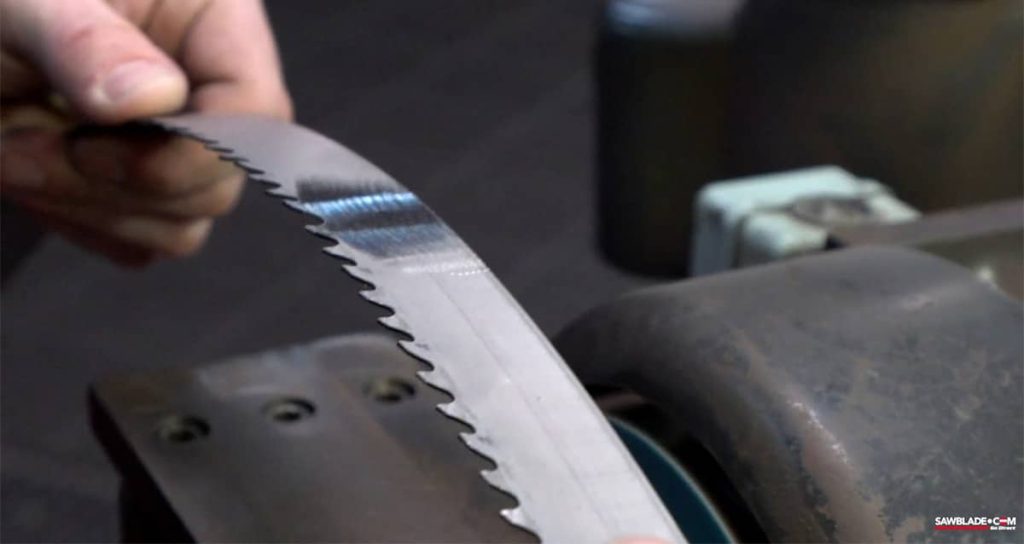
More often than not, bandsaw vibration originates with the blade itself. A blade with a bad weld joint, a subtle kink, or inconsistent tooth set will cause rhythmic shaking that transfers through the entire machine. Before you start disassembling components or questioning your saw’s integrity, try a simple test. Remove the blade and rotate it slowly by hand, watching for any spots where it does not track smoothly or where you can feel a bump at the weld. Even better, swap in a quality bandsaw blade from a reputable supplier and run the saw again. If the vibration disappears, you have found your culprit. Cheap blades from discount sources are notorious for causing problems that vanish the moment you install something properly manufactured.
Getting Blade Tension Right
Under-tensioning is one of the most common mistakes bandsaw users make, and it directly contributes to vibration issues. A properly tensioned blade should feel firm and resistant when you press on it, similar to a well-tuned guitar string. If the blade deflects easily or feels loose, you are not getting enough tension to keep it stable during cutting. Most built-in tension gauges on bandsaws are approximate at best, so learning to judge tension by feel is valuable. Increase tension gradually and test by pressing the blade sideways. You want minimal deflection, typically no more than a quarter inch on most 14-inch saws. Over-tensioning can cause its own problems, but in practice, most people err far on the side of too little tension.
Quick Diagnostic Reference for Bandsaw Vibration
| Symptom | Likely Cause | Recommended Fix |
| Rhythmic shaking during cuts | Blade weld or kink | Replace blade or inspect weld |
| Vibration stops when blade is removed | Blade tension or quality issue | Increase tension or install new blade |
| Grinding or rumbling noise | Worn wheel bearings | Replace bearings |
| Saw moves across floor | Unstable stand or uneven surface | Level base and add weight or rubber pads |
| Visible blade flutter | Under-tensioned blade or worn guides | Adjust tension and guide bearings |
| Vibration present at idle without blade | Belt or motor alignment issue | Inspect belt and pulley alignment |
Checking Your Wheels for Balance and Tire Condition
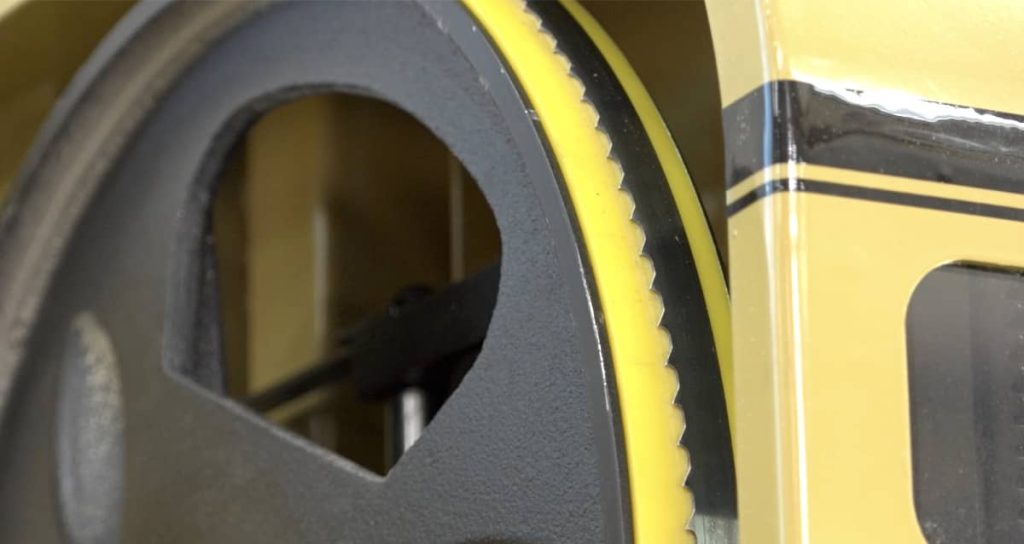
Wheel problems are often overlooked because they require removing the blade and covers to inspect properly. With the blade off, spin each wheel by hand and watch for wobble or uneven rotation. True balance issues are less common than people assume. More frequently, resin and sawdust buildup on the tire surface creates an uneven contact patch that throws off smooth operation. Clean the tires thoroughly with a stiff brush or tire cleaner. If your tires have hardened over the years and developed a glazed, shiny surface, they have lost their grip and cushioning ability. Hardened tires are a frequent source of vibration on older saws and are relatively inexpensive to replace.
Stand and Floor Stability Solutions
- Check all bolts connecting the saw to its stand and tighten any that have loosened over time
- Verify that all four feet or leveling pads are making solid contact with the floor
- Place rubber anti-vibration pads under each foot to dampen transmission to the floor
- Add weight to lightweight sheet metal stands by placing sandbags or concrete blocks on the lower shelf
- Consider building or purchasing a heavier aftermarket stand if the original is flimsy
- Move the saw to a concrete floor area if possible, as wood floors amplify vibration
Motor and Belt Alignment Issues
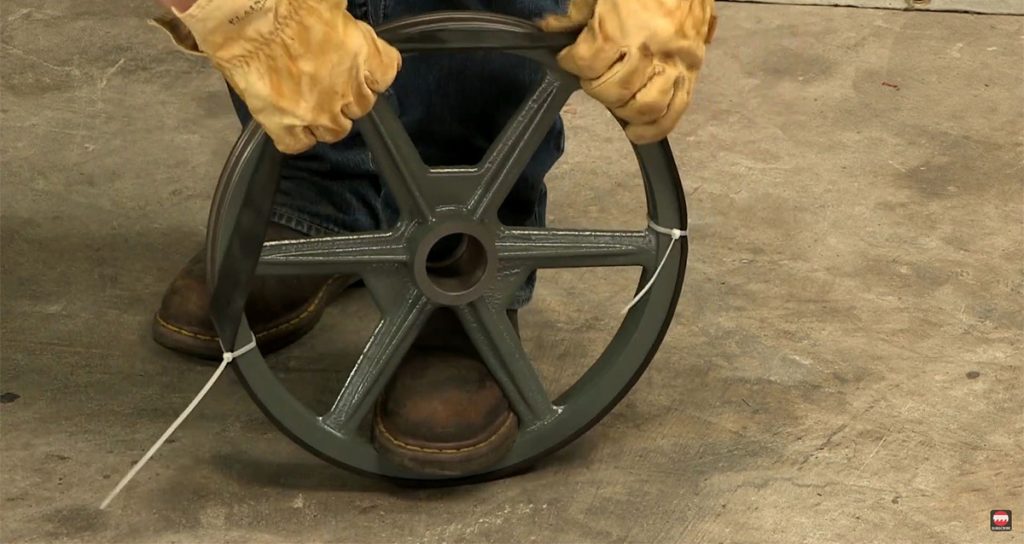
A cracked, worn, or misaligned belt can introduce vibration that seems to come from nowhere. With the machine unplugged, inspect the drive belt for cracks, glazing, or missing chunks. Even a belt that looks intact can have internal damage that causes it to run unevenly. Check that the motor pulley and wheel pulley are aligned by placing a straightedge across both. Misalignment causes the belt to work against itself, creating vibration and premature wear. One of the most effective upgrades for reducing belt-related vibration is switching from a standard V-belt to a link belt. These segmented belts run smoother, absorb vibration better, and are easy to install without removing pulleys.
ALSO WORTH READING
Exploring the Laguna 1412 Bandsaw
If you’re researching bandsaws or considering the Laguna 1412 for your shop, you might find our detailed guide helpful. It covers everything from an honest review of the saw’s performance to practical setup advice and upgrade tips that can improve your cutting results. Whether you’re a new owner or still deciding if this model is right for you, the article walks through what you need to know.
Guide and Thrust Bearing Adjustments
- Position upper and lower guide bearings so they sit just off the blade when idle but engage lightly during cuts
- Set thrust bearings behind the blade with minimal clearance, roughly the thickness of a piece of paper
- Replace any guide bearings that feel rough when spun by hand or show visible wear
- Ensure guide blocks or bearings are not pressing too hard against the blade, which causes heat and flutter
- Recheck all guide adjustments after installing a new blade, as blade widths vary slightly
When Bearings Are the Problem
Wheel bearings wear out over time, especially on saws that see heavy use or have been stored in dusty environments. The telltale sign of bearing failure is a grinding or rumbling noise rather than the rhythmic shaking associated with blade problems. With the blade removed, spin each wheel and listen carefully. Healthy bearings spin quietly with smooth rotation. Any roughness, grinding, or play in the wheel indicates worn bearings. The good news is that replacement bearings are inexpensive and straightforward to install on most bandsaw models. This repair can transform an old saw that seemed ready for retirement into a smooth-running machine.
Hardware Inspection Checklist
- Table trunnion bolts that allow the table to tilt
- Frame bolts connecting major castings or sheet metal panels
- Motor mounting bolts and any rubber isolation mounts
- Wheel axle nuts and set screws
- Guide post locking mechanisms
- Cover hinges and latches that may rattle during operation
Distinguishing Normal Operation from Real Problems
Some vibration is inherent to bandsaw operation, particularly on older cast iron machines with their characteristic hum. The question is whether what you are experiencing falls within normal range or indicates a problem needing attention. Concerning signs include the saw visibly shaking on its stand, the blade fluttering noticeably during cuts, the machine slowly walking across the floor, or cut quality suffering with visible marks or drift. If your bandsaw has always had a slight hum but cuts cleanly and stays put, that is normal. If something has changed recently or the vibration interferes with your work, it is time to troubleshoot. A quick diagnostic routine can save hours of guessing. Remove the blade and run the saw briefly. If vibration stops, focus on blade-related issues like tension and quality. If vibration continues, work through the belt, motor, bearings, and finally hardware in that order.
Putting It All Together for a Smoother Running Saw
Fixing bandsaw vibration is rarely about finding one magic solution. It usually involves working through several potential causes systematically until you identify the actual source. Start with the simplest and most common fixes, blade quality and tension, before moving to more involved repairs like bearing replacement. Take notes as you go so you know what you have already checked. Many woodworkers find that addressing multiple small issues together produces the best results. A new blade combined with proper tensioning, fresh guides, and a tightened stand can make an old bandsaw feel new again. The effort you put into reducing vibration pays off every time you make a cut, with smoother operation, longer blade life, and better results in your finished work.