Why Porter Cable Bandsaw Replacement Parts Matter
Porter Cable bandsaws remain active in many shops, and routine use naturally leads to wear on certain components. Replacing worn Porter Cable bandsaw parts helps preserve cutting accuracy, supports steady operation, and limits downtime caused by unexpected mechanical issues.
Porter Cable Bandsaw Parts Commonly Replaced
-
Bandsaw blades sized for specific Porter Cable models
-
Blade guides and guide bearings
-
Drive belts and pulley assemblies
-
Upper and lower wheel tires
-
Power switches, cords, and related electrical parts
These components experience the most friction and movement, making them frequent replacement items.
Locating the Correct Porter Cable Bandsaw Model
Before ordering any parts, confirming the exact Porter Cable bandsaw model is essential. Model numbers are typically found on the motor housing or the machine’s identification plate. Correct identification ensures replacement parts align with factory dimensions, mounting points, and operating limits.
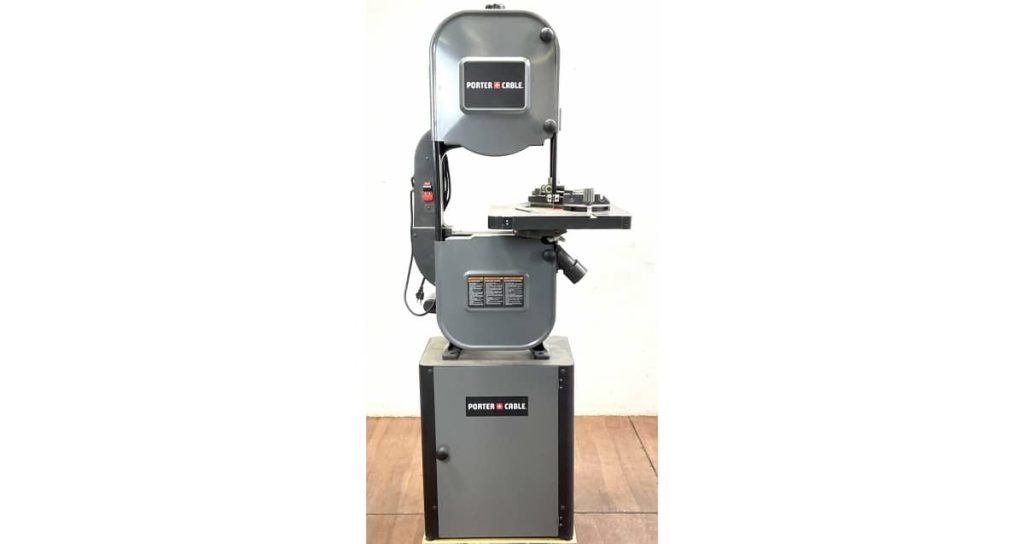
Sources for Porter Cable Bandsaw Replacement Parts
Replacement components can be sourced through multiple channels. Authorized service centers often stock original parts, while specialized tool parts suppliers carry both OEM and compatible alternatives. Online industrial retailers also list Porter Cable bandsaw parts by model number, which can be helpful for older or discontinued machines.
Overview of Porter Cable Bandsaw Parts Sources
| Source Type | Parts Offered | Considerations |
|---|---|---|
| Authorized service centers | OEM components | Designed for specific models |
| Tool parts suppliers | OEM and aftermarket | Wider selection |
| Online marketplaces | New and used parts | Confirm fitment details |
| Industrial suppliers | Bearings, belts, guides | Standardized sizing |
Selecting the right source depends on availability, budget, and the level of precision required.
OEM and Aftermarket Parts Compared
OEM replacement parts are manufactured to original specifications, helping maintain the bandsaw’s intended performance. Aftermarket options may offer quicker availability or lower cost, especially for older models, but measurements and material quality should be reviewed before installation.
Parts Often Available as Standard Components
-
Bearings with common inner and outer diameters
-
Drive belts using standard length and width formats
-
Electrical switches rated for matching voltage and current
Standard hardware options can simplify sourcing when original Porter Cable parts are no longer produced.
Access Free Bandsaw Manuals Online
If you’re looking for detailed setup guides, maintenance instructions, or model-specific documentation, sawblademanuals.com offers access to a large collection of free bandsaw manuals. The site provides organized resources that help users identify correct specifications, understand adjustment procedures, and support long-term equipment use across many bandsaw brands and models.
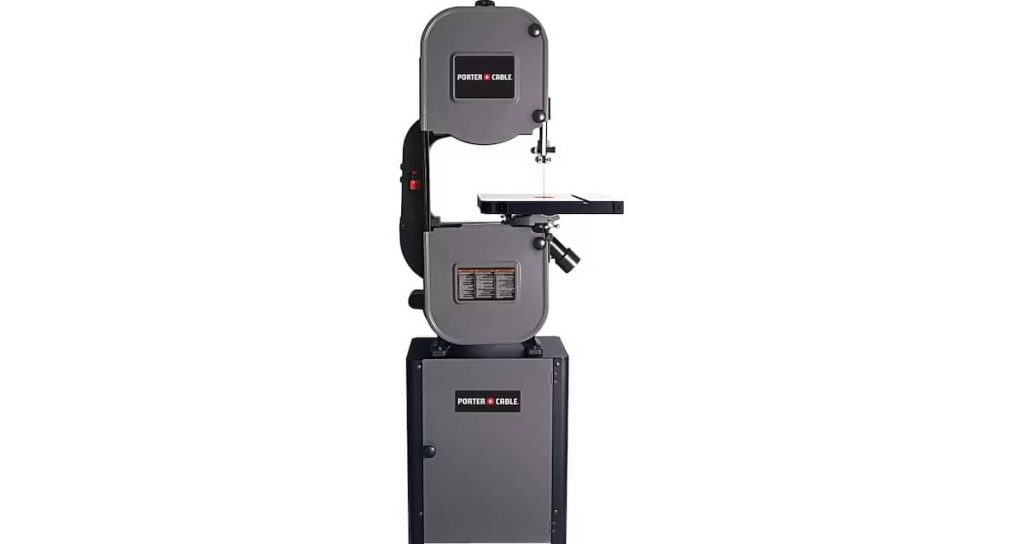
Tips for Ordering the Correct Bandsaw Parts
Accurate measurement and reference to parts diagrams reduce ordering errors. Reviewing exploded diagrams, confirming part numbers, and checking supplier return policies can prevent delays if a component does not fit as expected.
Keeping Performance Consistent After Replacement
Once new parts are installed, proper setup is essential. Blade tracking, guide alignment, and belt tension should be adjusted to ensure smooth operation and stable cutting behavior from the Porter Cable bandsaw.
Comparing 12-Inch and 14-Inch Bandsaws for Workshop Use
Choosing the right bandsaw size can influence cutting capacity, blade stability, and long-term shop flexibility. In this related article, we break down the practical differences between 12-inch and 14-inch bandsaws, including throat capacity, resaw height, motor output, and space requirements. It’s a helpful reference for workshop owners evaluating how machine size impacts everyday cutting tasks and future project needs.
Preparing for Future Parts Needs
-
Record model and serial numbers for reference
-
Store digital copies of parts diagrams
-
Identify more than one supplier for key components
Planning ahead reduces downtime when future replacements are required.
Sourcing Porter Cable bandsaw replacement parts involves identifying the correct model, understanding which components wear over time, and selecting reliable suppliers for compatible replacements. With careful part selection and proper adjustment, Porter Cable bandsaws can continue delivering dependable cutting performance for years of shop use.