Getting Started with the Delta 28-160
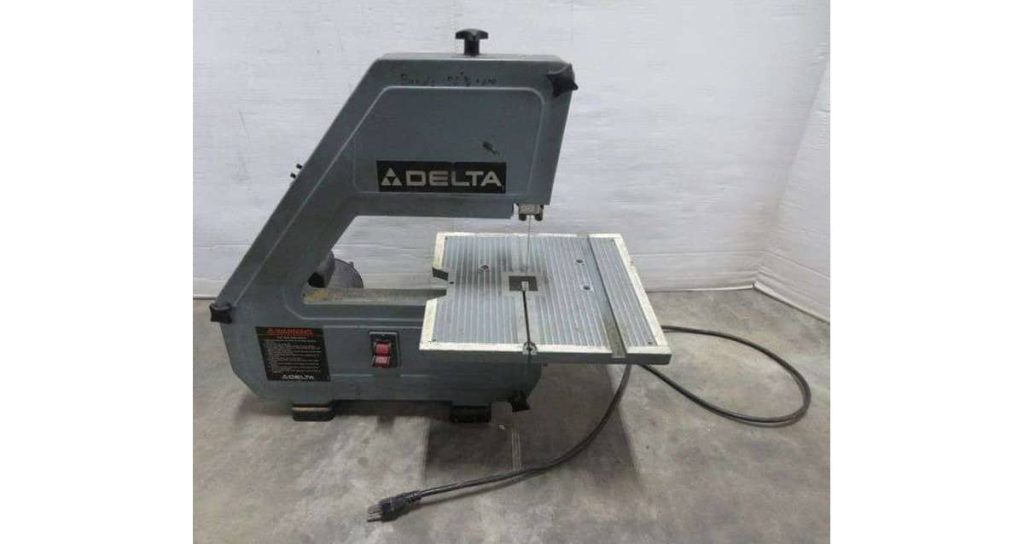
The Delta 28-160 is a 10-inch bench band saw that still shows up in small shops, garages, and used-tool listings because it is compact, fairly simple, and useful for lighter cutting work. If you are trying to sort out the Delta 28-160 manual, confirm the correct blade size, identify replacement parts, or deal with the usual repair issues, the good news is that this model is not especially complicated once you understand its layout. For most owners, the main value is not in chasing upgrades but in getting the basics right: the correct blade, proper tracking, decent tires, and a saw that is complete enough to keep working without guesswork.
What Most Owners Look for on a Delta 28-160
- A copy of the Delta 28-160 manual for setup, blade tension, and tracking instructions
- The correct Delta 28-160 blade size before ordering replacements
- A usable parts diagram to identify missing or worn components
- Common fixes for blade tracking, slipping, and guide adjustment
- Replacement tires, guides, switch parts, and table hardware
- Confirmation that the saw uses a three-wheel layout, which affects blade selection and setup
What the Delta 28-160 Manual Actually Helps With
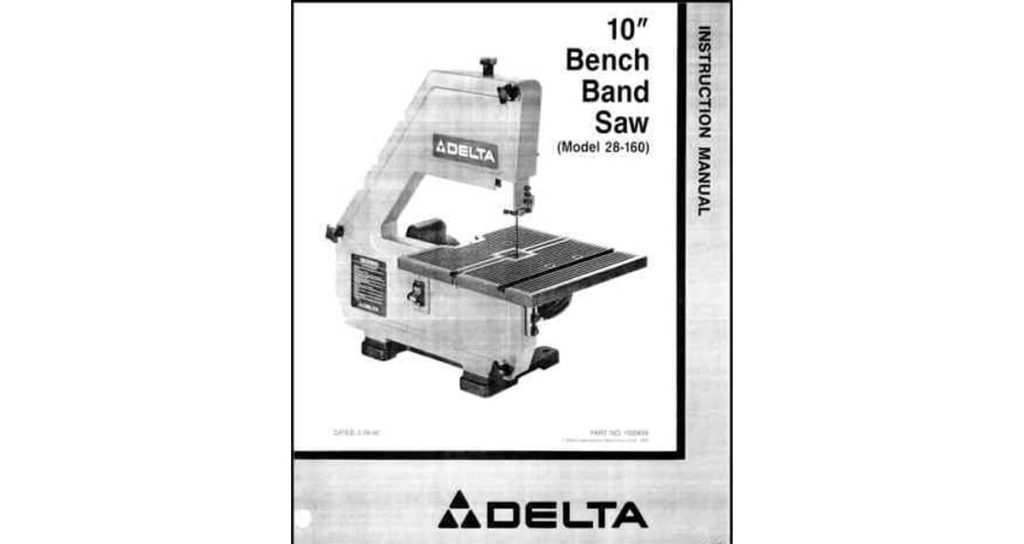
The Delta 28-160 manual is most useful for the practical basics: blade tension, blade tracking, table setup, and general operating controls. That may not sound exciting, but on an older bench band saw, those few details usually decide whether the machine feels usable or frustrating. One helpful point in the manual is the explanation of how to tension the blade by removing the side cover, adjusting the tension knob, and checking for only slight blade movement under firm finger pressure. It also explains that the blade should ride close to the center of the three wheels, which matters because this saw does not behave exactly like a larger two-wheel floor model.
Delta 28-160 Blade Size and Why It Matters
Blade size is one of the first details owners want to confirm, and the Delta 28-160 is commonly listed with a blade length of 56-1/8 inches. That length makes sense for the saw’s compact three-wheel design, and on a smaller machine like this, being even a little off can create more trouble than people expect. A blade that is close but not correct can lead to tracking problems, poor tension, and a saw that never quite settles down during setup. On larger saws there is often more room to work around a mismatch, but on the Delta 28-160, getting the blade size right from the start saves a lot of time.
Delta 28-160 Quick Reference Table
| Item | Useful Detail | Why It Matters |
|---|---|---|
| Model type | 10-inch bench band saw | Confirms the saw’s compact bench format |
| Wheel layout | Three-wheel design | Affects blade length and tracking behavior |
| Common blade length | 56-1/8 inches | The size most often used for replacement blades |
| Manual use | Setup, tension, tracking, and table adjustment | Helps owners sort out common setup issues |
| Motor type | Small bench-saw motor setup | Useful when checking power or replacement questions |
| Common parts owners search for | Tires, guides, switch, insert, trunnion, table, miter gauge parts | These are the items most often worn, missing, or checked |
| Typical repair focus | Blade tracking, slipping, vibration, missing hardware | These are the issues most owners run into first |
Delta 28-160 Parts Owners Usually Need
The Delta 28-160 parts list is helpful because it shows the saw by assembly instead of forcing you to identify everything from memory. In real ownership, the parts people ask about most often are the tires, guide components, switch parts, insert, trunnion hardware, and small table pieces. Those are the items most likely to wear out, loosen up, break, or disappear on an older used saw. This is especially true when the machine has changed hands a few times, because bench saws like this often lose smaller parts long before anything major fails. That is why comparing the actual saw to a parts diagram is usually one of the smartest first steps before ordering anything.
Need the Manual? Visit BandsawManuals.com
If you need the Delta 28-160 instruction manual, or want to look up manuals for other bandsaws as well, bandsawmanuals.com is a useful place to check next. It gives readers a practical way to find model-specific manual information, compare documentation across different saws, and access setup or reference material that can make ownership, repair, and routine adjustments much easier.
Common Fixes for the Delta 28-160
- Recheck blade tension if the blade slips or feels loose on the wheels
- Adjust tracking so the blade runs close to the center of the three wheels
- Inspect the tires if the blade will not stay put or tracks unpredictably
- Check the upper and lower guide assemblies if cuts wander or the blade feels unsupported
- Inspect the switch and key if the saw has power issues or inconsistent startup behavior
- Look at the insert, trunnion, and table hardware if the work surface feels loose or out of alignment
- Confirm the power cord and wiring condition if the saw shows obvious electrical wear
What to Check Before Ordering Delta 28-160 Parts
Before ordering Delta 28-160 parts, it is worth slowing down and checking whether the saw is complete and whether the suspected part is actually worn or simply out of adjustment. Owners of older bench band saws often assume they need a major replacement when the real issue is a loose guide clamp, poor blade tension, hardened tires, or a worn-out blade. It also helps to compare the saw directly to the factory-style parts layout, because used machines are often missing small hardware, miter gauge pieces, or guide parts that are easy to miss at first glance. Ten careful minutes spent checking the saw can prevent a lot of ordering mistakes later.
Signs Your Delta 28-160 Needs Attention
- The blade slips on the wheels during startup or cutting
- The blade will not track near the center of the wheels even after adjustment
- The saw vibrates more than expected for a small bench model
- Cuts wander even with a fresh blade installed
- The table feels loose or does not hold its angle well
- The switch is missing its key or the power controls feel unreliable
- The saw came used with no manual, no miter gauge, or obvious missing covers
Is the Delta 28-160 Still Worth Fixing
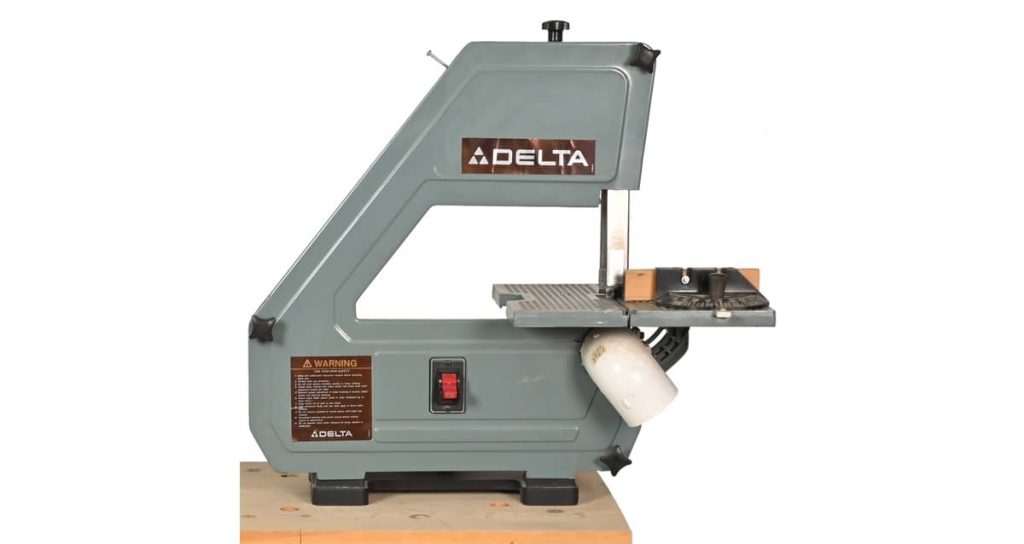
For many owners, the Delta 28-160 is still worth fixing if the frame, table, and wheel assemblies are in decent shape. It is not a large production saw, and it is not the machine most people would choose for heavy resaw work, but it can still be useful for lighter shop tasks when it is set up properly. The real question is usually not age but completeness. A saw that needs only a blade, some tire attention, guide adjustment, or minor electrical work is a much better project than one that is missing multiple assemblies or key table parts. On a model like this, condition matters far more than the year on the badge.
Related Reading: 20-Inch Bandsaw Buying Guide: When to Move Up and What to Upgrade First
If your Delta 28-160 is starting to feel small for the kind of work you want to do, our article on “20-Inch Bandsaw Buying Guide: When to Move Up and What to Upgrade First” is a useful next read. It looks at when a larger bandsaw becomes the better fit, what changes in capacity and shop use, and which upgrades make the most sense first when you are thinking about moving beyond a compact bench model.
Practical Buying and Repair Tips for a Delta 28-160
- Confirm that the saw is actually a Delta 28-160 and not a similar model with different blade requirements
- Ask whether the manual is included or find a manual copy before making adjustments
- Verify the blade length before ordering because the three-wheel layout makes blade size especially important
- Compare the saw to a parts diagram to spot missing guards, guides, knobs, or miter gauge parts
- Inspect the tires before assuming the tracking issue is something more serious
- Check the switch, cord, and switch key on used machines
- Do not over-tension the blade, because too much tension can lead to blade trouble
- Buy the saw based on condition and completeness, not just on the Delta name
The Delta 28-160 remains a useful little bench band saw when the basics are right: the correct blade size, decent tires, properly adjusted guides, and a complete enough parts setup to keep it running without constant improvising. The manual helps with the main setup points, and a good parts diagram makes it much easier to identify what is missing or worn. If you are working on one of these saws now, the smartest approach is usually the simplest one. Confirm the blade length, compare the saw against the parts layout, and sort out the common setup issues before chasing bigger problems. That usually gets you much closer to a usable Delta 28-160 than replacing parts at random.