The Real Question Every Woodworker Faces
Every woodworker eventually stands in a tool aisle or scrolls through an online catalog, weighing the same question: should you spend three times more on a premium brand, or will a budget option get the job done? The answer is rarely straightforward, and frankly, most advice online misses the nuances that actually matter in a working shop. Woodworking tools exist on a spectrum, and your choice depends less on marketing promises and more on how you work, what you build, and whether you can verify tool accuracy yourself. This guide breaks down the budget vs premium woodworking tools debate using real considerations from actual shop use, not theoretical comparisons.
What Actually Differs Between Budget and Premium Woodworking Tools
- Material quality in premium tools typically includes hardened steel, machined brass fittings, and tighter manufacturing tolerances
- Budget tools often use softer metals, plastic components, and wider acceptable variance ranges during production
- Locking mechanisms on premium squares, clamps, and gauges tend to maintain tension and positioning longer than budget counterparts
- Surface finishes on premium hand tools are usually smoother out of the box, reducing friction and improving accuracy
- Warranty support and replacement part availability favor established premium brands in most cases
- Calibration consistency means premium tools more reliably arrive accurate, though verification remains necessary regardless of price
The Durability Question That Most Reviews Ignore
When budget tools fail, they usually fail mechanically rather than in raw accuracy. A thirty dollar combination square might measure angles correctly on day one, but the locking knob could stop holding position within weeks. This pattern appears repeatedly in shop discussions, where users report that cheap tools work fine initially, then develop play in moving parts or stripped adjustment threads. The measurement face itself may stay true, but if you cannot lock it in place, the tool becomes frustrating to use. Premium woodworking tools maintain their mechanical function through years of daily use because the locking hardware, pivot points, and adjustment mechanisms use more durable materials and tighter fits.
Why Mid-Range Tools Deserve More Attention
The budget vs premium woodworking tools conversation often skips over the middle ground, where some of the best values actually exist. Brands positioned between hardware store basics and prestige names frequently deliver accuracy sufficient for woodworking at a fraction of premium pricing. One commonly cited example involves combination squares in the thirty to fifty dollar range, which users describe as a significant step up from cheap alternatives while costing a quarter of what a Starrett runs. Some mid-range tools require minor preparation, perhaps fifteen minutes of polishing contact surfaces or honing edges, but then perform reliably for years. The key advantage of mid-range woodworking tools is that they offer quality you can verify and improve, rather than quality you must accept on faith.
Comparing Budget and Premium Woodworking Tools by Category
| Tool Category | Budget Tool Reality | Premium Tool Reality | Best Value Approach |
| Combination Squares | Accuracy often acceptable; locking mechanisms fail quickly; plastic components reduce lifespan | Consistently accurate out of box; durable locking hardware; holds calibration | Mid-range brands like PEC, Empire, or iGaging with verification |
| Chisels | Soft steel requires frequent sharpening; handles may loosen | Harder steel holds edge longer; better balance and fit | Budget set for learning, then selective premium upgrades |
| Hand Planes | Sole flatness varies; adjustment mechanisms inconsistent | Machined flat; smooth adjustment; better blade steel | Vintage restored planes offer premium quality at budget prices |
| Bandsaw Blades | Adequate for occasional use; shorter lifespan | Longer cutting life; more consistent tooth geometry | __Carbon bandsaw blades__ from quality manufacturers balance cost and durability |
| Clamps | Adequate clamping pressure; may twist under load | Even pressure distribution; parallel jaw maintenance | Budget for quantity, premium for critical glue-ups |
| Measuring Tapes | Acceptable accuracy; hook attachment loosens over time | More durable hook; better blade coating; clearer markings | Mid-range from reputable brands |
The Accuracy Myth in Woodworking Measurements
Here is something experienced woodworkers understand that newcomers often miss: wood moves. A board cut to perfect dimensions today will be slightly different next week as humidity changes. Most lumber shifts between 0.1 and 0.2 millimeters just from normal environmental variation, which means metalworking-grade precision in measuring tools often exceeds what woodworking actually requires. This does not mean accuracy is irrelevant, but it does mean that a mid-range square verified against a known straight edge serves woodworking just as effectively as a premium instrument checked the same way. Squareness matters enormously for joinery. Decimal-place precision on length measurements matters less than many beginners assume.
Choosing a Blade That Matches the Job, Not the Price Tag
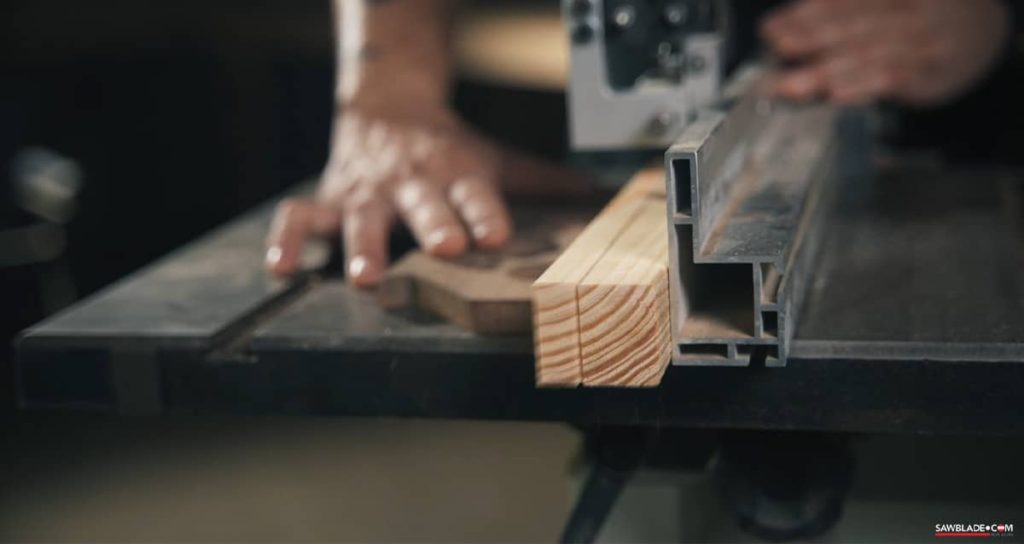
Bandsaw blades reward the same value formula discussed earlier: frequency of use multiplied by the precision a task demands. Qsaw’s carbon blades offer a practical example of that thinking in action. The Qsaw101 Flex Back is built for smooth contour and straight cuts in wood, while the Qsaw201 Hard Back brings a spring-tempered back and hardened teeth for added tensile strength, marketed as a budget-friendly choice for light contour and cutoff cuts. Neither blade is positioned as a premium product, but for small shops and hobbyists doing typical resawing and shaping work, that reliability at a moderate price point is exactly what the job calls for.
When Budget Woodworking Tools Make Sense
- Beginning woodworkers still discovering their preferred techniques and tool requirements
- Tools used infrequently or for rough work where precision matters less
- Situations where tools face high risk of damage, loss, or theft
- Building a complete shop on a limited startup budget
- Expendable items like saw blades for different cutting applications that wear out regardless of quality
- Learning sharpening and tuning skills, where budget tools provide low-stakes practice
The Real Cost of Cheap Tools Over Time
Buying budget woodworking tools seems economical until you account for replacement cycles and frustration costs. A fifteen dollar square that fails within a month costs more than a forty dollar square that lasts five years when you factor in reordering, waiting for shipping, and redoing work completed with a tool that went out of true. Time spent fighting sticky plane adjustments, re-tightening loose handles, and compensating for wandering measurements adds up across projects. For tools you reach for daily, the hourly cost of premium quality often drops below budget alternatives within the first year of regular use. This calculation changes for tools sitting idle most of the time, where budget options make more financial sense.
ALSO WORTH READING
Want to Cut Larger Stock on Your Bandsaw?
If you’re looking to get more out of your current bandsaw without buying a bigger machine, a riser block might be exactly what you need. This simple upgrade can significantly increase your resaw capacity, letting you tackle thicker lumber and take on projects that were previously out of reach. Check out our article on “How a Bandsaw Riser Block Improves Resaw Capacity” to learn how it works and whether it’s the right addition to your shop.
When Premium Woodworking Tools Justify Their Price
- Layout and measuring instruments used constantly throughout every project
- Hand tools where blade quality directly affects work efficiency and results
- Specialty tools for techniques you have committed to long term
- Items where safety depends on consistent, reliable performance
- Tools forming the foundation of your workflow, used in nearly every build
- Situations where precision cutting tools directly determine joint quality and final appearance
The Verification Habit That Equalizes Everything
Regardless of what you spend on woodworking tools, checking accuracy should become automatic. Even premium instruments can arrive out of specification, and shipping damage affects expensive tools the same as cheap ones. Testing a square against a known straight edge takes thirty seconds. Checking a bevel gauge against a protractor takes even less. This habit means you can confidently use mid-range tools verified to be accurate rather than blindly trusting premium tools assumed to be accurate. The verification approach transforms the budget vs premium woodworking tools decision from a faith-based purchase into an evidence-based assessment of what actually arrived at your shop.
A Practical Buying Strategy for Building Your Shop
- Start with budget or mid-range versions of tools you have not used extensively
- Verify accuracy immediately and return anything that fails basic checks
- Upgrade to premium only after confirming you use a tool category frequently
- Prioritize premium spending on measurement and layout tools where accuracy compounds across operations
- Accept that some expendable items like blades and abrasives warrant mid-range purchases with regular replacement
- Consider used and vintage premium tools, which often cost less than new mid-range equivalents
- Match tool investment to project requirements rather than aspirational standards
Making Your Decision With Confidence
The budget vs premium woodworking tools question has no universal answer because it depends entirely on your situation. A weekend hobbyist building garden furniture needs different tools than a professional crafting heirloom furniture daily. What matters most is understanding that price indicates probability of quality, not a guarantee of it. Mid-range tools checked for accuracy often perform identically to premium tools for woodworking purposes. Budget tools fail most often in their mechanical components rather than their measurement accuracy. And premium tools justify their cost primarily when used frequently enough for their durability advantage to matter. Buy thoughtfully, verify everything, upgrade selectively, and spend your energy on improving your skills rather than debating brands. The best tool is the accurate one in your hand, ready for the next cut.