Getting to Know the BS100 Bandsaw Inside and Out
The BS100 bandsaw has earned a solid reputation among hobbyists and small shop owners who need a reliable machine for light to medium cutting work. Whether you picked one up new or inherited it from another woodworker, understanding how this saw operates and what it needs to stay in working condition will save you time, money, and frustration. This guide walks through the practical details of the BS100, from locating manual resources and selecting the correct blade size to identifying replacement parts and working through the repairs that come up most often. If you have been running your BS100 for a while or just getting started with it, having this information in one place makes ownership a lot easier.
What the BS100 Manual Covers
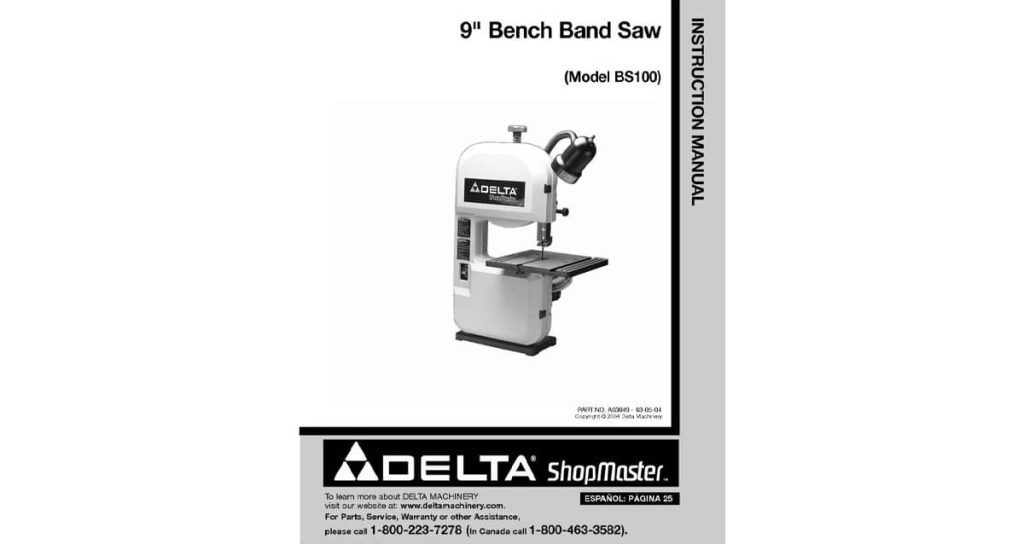
The original BS100 manual remains a useful reference for setup, adjustments, and basic maintenance. If you no longer have your copy, several options exist for tracking one down:
- Check the manufacturer’s official website for downloadable PDF versions
- Search owner forums and woodworking communities where members often share scanned copies
- Contact the manufacturer’s customer service department directly for a replacement
- Look on auction sites where vintage tool documentation occasionally appears
- Visit public library systems that maintain tool manual archives
Understanding BS100 Blade Size Requirements
Selecting the correct blade size for your BS100 is one of the most straightforward ways to improve cutting performance and extend the life of both the blade and the machine. The BS100 typically accepts blades in the 56 to 59 inch length range, depending on the specific model year and any modifications made by previous owners. Blade width options generally run from 1/8 inch for tight radius cuts up to 1/2 inch for straighter rip cuts where stability matters more than maneuverability. Getting the length right ensures proper tension, while choosing the appropriate width and tooth count for your material keeps cuts clean and reduces strain on the motor and guides.
How Blade Tension Affects Cut Quality on the BS100
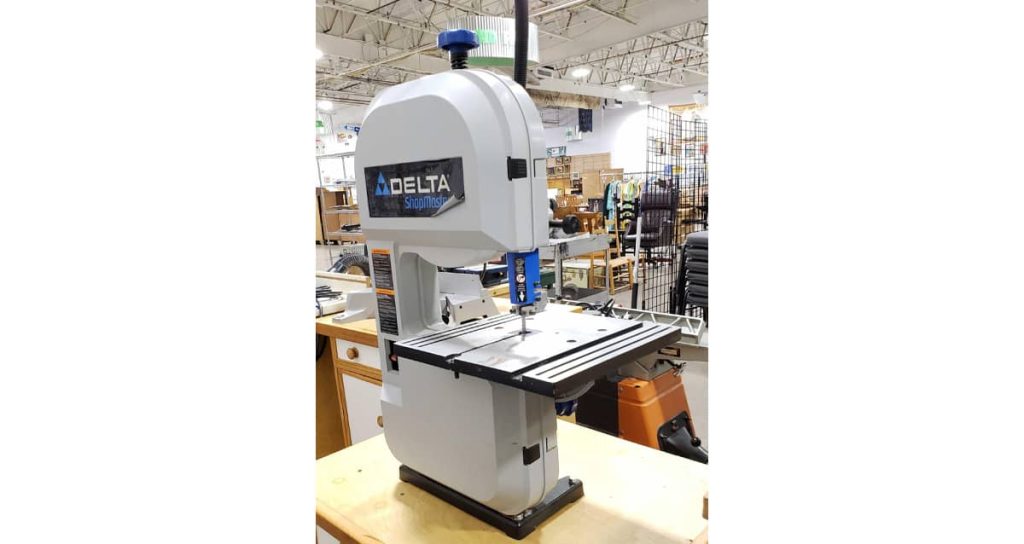
Proper blade tension on the BS100 directly impacts how well the saw performs and how long your blades last. An under-tensioned blade will wander during cuts, producing wavy edges and making it nearly impossible to follow a line accurately. Over-tensioning creates its own problems, including premature blade fatigue, stress cracks, and added wear on the wheel bearings and tires. The BS100 includes a tension adjustment mechanism, usually a knob or lever near the upper wheel housing, that allows you to dial in the correct amount of pull. A good rule of thumb is to tension the blade until it produces a clear musical note when plucked, then make minor adjustments based on how it tracks during test cuts.
BS100 Specifications and Common Blade Options
| Specification | Typical Value |
| Blade length range | 56 to 59 inches |
| Blade width options | 1/8 inch to 1/2 inch |
| Throat capacity | 9 to 10 inches |
| Cutting height | 4 to 6 inches |
| Motor power | 1/3 to 1/2 HP |
| Wheel diameter | 9 inches |
| Table size | 12 x 12 inches approximate |
| Recommended blade TPI | 6 to 14 depending on material |
Finding Replacement Parts for the BS100
Sourcing BS100 parts can feel like detective work, especially if your machine is an older model or came from a manufacturer that has since changed hands. The good news is that many BS100 components are either still available through aftermarket suppliers or can be substituted with parts from similar machines. Common replacement items include guide blocks, thrust bearings, drive belts, blade guides, table inserts, and wheel tires. When ordering, having your model number and serial number ready speeds up the process considerably. Some parts suppliers specialize in older benchtop bandsaws and maintain inventories specifically for machines like the BS100, so it pays to shop around rather than assuming a part is unavailable.
Find Free Band Saw Manuals Online
If you need a manual for your band saw, visit bandsawmanuals.com to browse a large collection of band saw manuals available for free. Whether you are looking for setup instructions, blade size information, parts lists, safety details, or maintenance guidance, the site can help you find useful documentation for many different brands and models.
Parts That Wear Out Most Often on the BS100
Certain BS100 components tend to need attention more frequently than others based on how the machine operates and where stress accumulates:
- Blade guide blocks or bearings, which wear from constant contact with the moving blade
- Upper and lower thrust bearings that prevent backward blade deflection during cuts
- Drive belt connecting the motor to the lower wheel
- Rubber wheel tires that can crack, harden, or develop flat spots over time
- Table insert around the blade slot
- Tension spring or tensioning mechanism components
- Power switch and wiring connections on older units
Adjusting the BS100 Blade Guides for Accurate Cuts
The blade guides on the BS100 serve a straightforward but important purpose: they keep the blade running true and prevent it from twisting or deflecting during the cut. Both the upper and lower guide assemblies need periodic adjustment, especially after installing a new blade or switching to a different width. Start by loosening the guide blocks or bearings and positioning them so they sit just behind the blade gullets, not on the teeth themselves. Adjust the side guides so they barely clear the blade without creating drag, typically leaving a gap about the thickness of a piece of paper. Set the thrust bearing so it contacts the blade only when cutting pressure is applied, not while the blade runs freely. Taking the time to get these adjustments right eliminates most tracking and drift problems.
ALSO WORTH READING
More Resources for Delta Bandsaw Owners
If you own a Delta 254 bandsaw or are considering one, we have a dedicated guide that covers everything you need to know. It walks you through the manual basics, helps you find the right blade size, and lists common replacement parts. You will also find practical fixes for issues that tend to come up with this model. It is a useful reference whether you are setting up the saw for the first time or troubleshooting a problem.
Common BS100 Problems and How to Fix Them
Even well-maintained BS100 bandsaws develop issues over time. These are the problems that come up most frequently along with practical fixes:
- Blade drifting to one side during cuts, often solved by adjusting blade tension, checking tire condition, or realigning the wheels
- Excessive vibration while running, usually caused by worn wheel tires, an unbalanced wheel, or a blade with damaged teeth
- Blade slipping off the wheels, typically related to improper tracking adjustment or worn tires that no longer grip
- Motor running but blade not moving, pointing to a broken or stretched drive belt
- Burning smell during operation, which may indicate a slipping belt, seized bearing, or motor overheating
- Rough or splintered cuts, often the result of a dull blade, incorrect TPI for the material, or blade guides set incorrectly
- Difficulty tensioning the blade, sometimes caused by a worn tension spring or damaged tensioning mechanism
When to Replace BS100 Wheel Tires
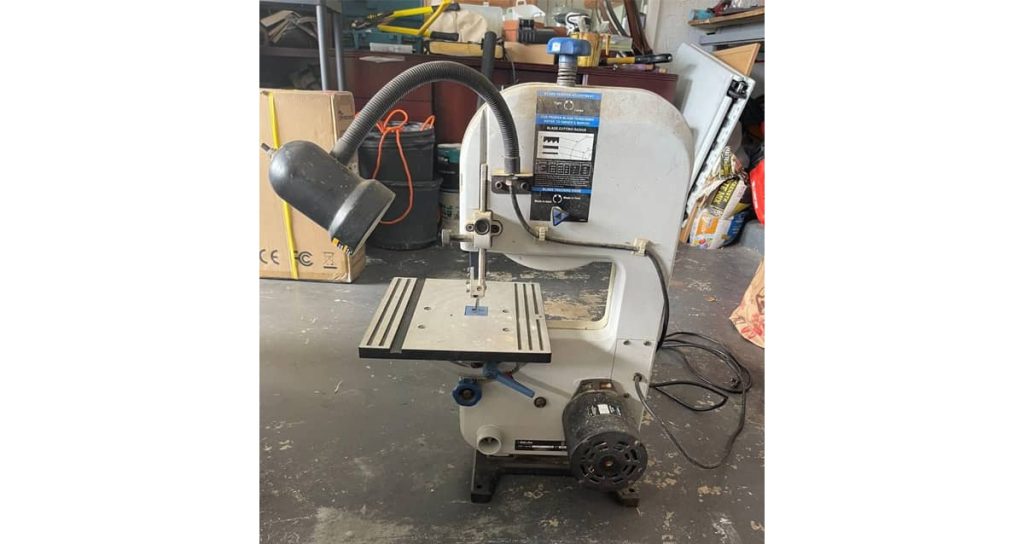
The rubber tires on the BS100 wheels play a bigger role in saw performance than many owners realize. These tires provide the grip that keeps the blade tracking correctly and absorb some of the vibration that would otherwise transfer into the cut. Over time, rubber tires harden, crack, develop flat spots from sitting in one position, or simply wear thin from use. Signs that your wheel tires need replacement include tracking problems that persist despite adjustment, visible cracks or chunks missing from the rubber, and a blade that seems to slip even when properly tensioned. Replacement tires for the BS100 are available in both traditional rubber and urethane versions, with urethane offering longer life and better resistance to flat-spotting.
Maintenance Habits That Keep the BS100 Running Well
Regular attention to a few key areas prevents most BS100 problems before they start and extends the working life of the saw:
- Release blade tension when the saw will sit unused for more than a day to prevent tire flat spots and blade fatigue
- Clean sawdust from the wheel housings, guides, and table surface after each session
- Inspect blades for cracks, missing teeth, or dullness before each use
- Check guide block and thrust bearing adjustment periodically, especially after blade changes
- Lubricate any moving parts according to the manual recommendations
- Inspect the drive belt for cracks, glazing, or stretching every few months
- Verify that all guards and safety features remain in place and functional
Making the Most of Your BS100 Bandsaw
The BS100 may not be the largest or most powerful bandsaw on the market, but it handles a wide range of cutting tasks when set up correctly and maintained consistently. Understanding the blade size requirements, knowing where to find parts, and staying ahead of common repairs keeps this machine productive for years. Whether you use it for resawing small stock, cutting curves, or breaking down rough lumber, the BS100 rewards owners who take the time to learn how it works and what it needs. With the right blade installed, guides properly adjusted, and routine maintenance handled, your BS100 will continue delivering clean, accurate cuts project after project.