Understanding the Unique Challenges of Structural Shape Cutting
Cutting structural shapes presents a fundamentally different set of obstacles than cutting solid bar stock or plate material. When your saw blade encounters an I-beam, channel, angle iron, or hollow tube, it repeatedly enters and exits the material throughout a single cut. This interrupted cutting action creates shock loads on the blade teeth, causes vibration, and demands specific techniques to achieve consistent results. Many fabricators experience premature blade failure, rough cut surfaces, and dimensional inaccuracy simply because they approach structural cutting the same way they would approach solid material. Understanding these differences and applying targeted prevention strategies will save you time, reduce blade costs, and improve the quality of your finished work.
Key Problems That Occur When Cutting Structural Shapes
- Tooth strippage caused by impact shock when the blade repeatedly enters hard material
- Excessive vibration that leads to wavy cuts and poor surface finish
- Blade wandering that results in cuts that are out of square
- Premature blade fatigue from constant stress cycling
- Work hardening of the cut surface due to incorrect feed rates
- Shortened blade life compared to cutting solid materials of similar thickness
- Noise and chatter that indicate improper blade selection or machine setup
- Burr formation on exit points of each structural element
Why Standard Blade Approaches Fall Short
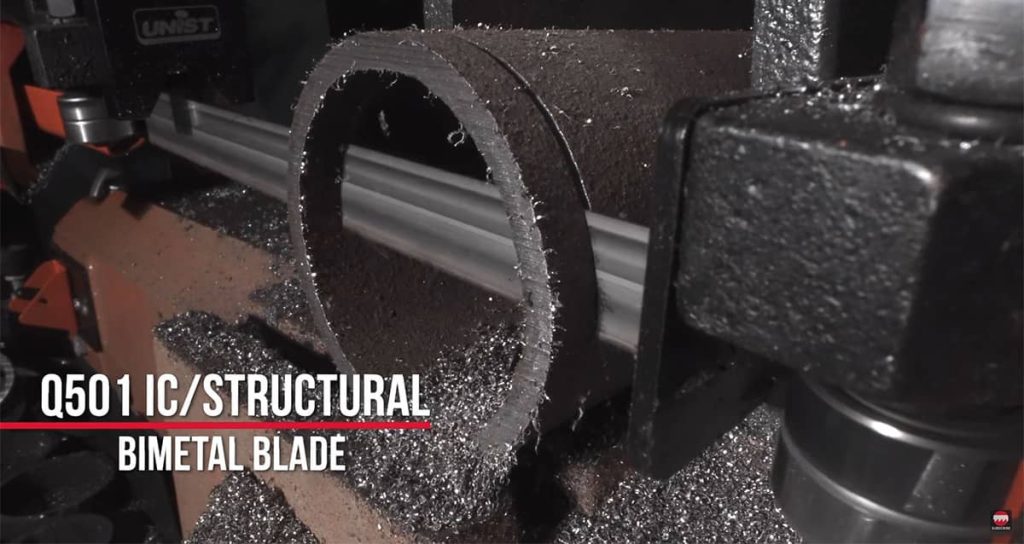
The physics of cutting a structural shape differs significantly from cutting a solid round or square bar. When a blade cuts through an I-beam flange, it enters material, exits into open space, enters the web, exits again, and finally cuts through the opposite flange. Each entry point creates an impact event that standard blades simply cannot handle over repeated cycles. Blades designed for solid stock typically have tooth geometries optimized for continuous contact, which makes them vulnerable to chipping and breakage during interrupted cuts. The wide variation in material thickness within a single structural shape also means the blade must constantly adjust to changing chip loads, and blades without proper set width struggle to clear chips efficiently in these conditions.
Selecting the Right Blade Design for Interrupted Cuts
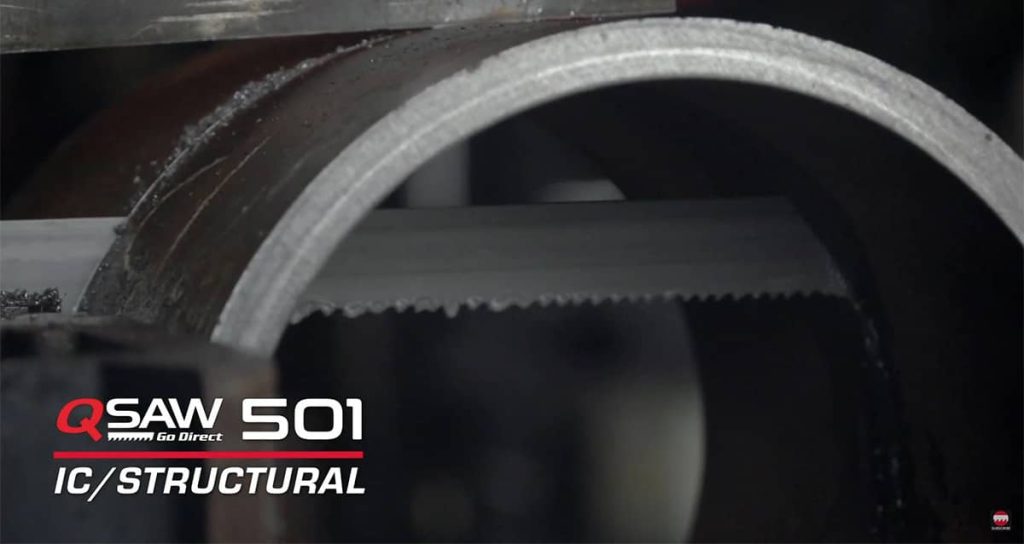
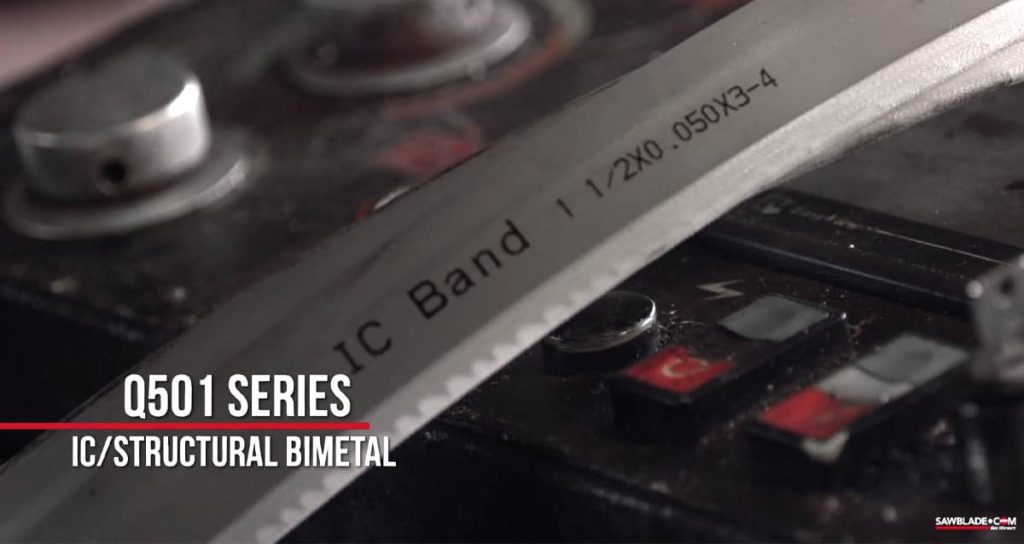
Blade selection represents your first line of defense against structural cutting problems. Look for blades specifically engineered with interrupted cut tooth profiles, which feature reinforced tooth tips and geometries designed to absorb repeated impact without damage. A wider set blade design helps create adequate chip clearance as the blade moves through open sections of the structural shape. The Qsaw 501 IC M-42 band saw blade exemplifies this approach, combining an M-42 cobalt high-speed steel tooth edge with a fatigue-resistant alloy backer built to withstand the constant stress cycling that structural cutting demands. Tooth pitch matters as well, and selecting a pitch that maintains at least three teeth in contact with the thinnest section of your material prevents individual teeth from bearing excessive load.
Recommended Feed Rates and Speeds for Common Structural Shapes
| Structural Shape | Material | Blade Speed (SFM) | Feed Pressure | Special Considerations |
| I-Beams (Light) | Mild Steel | 200-250 | Light to Medium | Reduce pressure at flange entry |
| I-Beams (Heavy) | Mild Steel | 180-220 | Medium | Allow blade to find its pace |
| Channels | Mild Steel | 220-260 | Light to Medium | Watch for vibration on thin webs |
| Angles | Mild Steel | 230-270 | Light | Position to minimize exit shock |
| Hollow Tube | Mild Steel | 200-240 | Light | Four entry and exit points |
| Wide Flange | Structural Steel | 160-200 | Medium | Longest interrupted cut cycle |
| I-Beams | Stainless Steel | 100-140 | Light | Prevent work hardening |
Proper Material Positioning and Clamping Techniques
How you position structural shapes in your saw makes a substantial difference in cut quality and blade life. Always orient the material so the blade encounters the smallest cross-section first when possible. For I-beams, this often means positioning the beam so the blade cuts through the web before the flanges, reducing the initial impact load. Secure clamping is essential because any movement during cutting amplifies vibration and leads to blade damage. Use multiple clamping points to prevent the material from shifting, and ensure the workpiece is fully supported on both sides of the cut. When cutting bundles of angles or channels, pack them tightly and clamp them as a single unit to minimize vibration between individual pieces.
Machine Settings That Protect Your Blades
- Reduce blade tension by approximately 10 to 15 percent compared to solid stock cutting to allow controlled flex
- Set saw guides as close to the workpiece as practical to minimize blade deflection
- Verify that guide bearings and blade wipers are in good condition before beginning structural cuts
- Check hydraulic feed systems for smooth, consistent pressure delivery
- Confirm that coolant flow is adequate and reaching the cut zone effectively
- Listen for changes in cutting sound that indicate the need for adjustment
- Allow the blade to reach full speed before engaging the material
- Use controlled feed rates rather than forcing the blade through the cut
The Role of Coolant in Structural Cutting Success
Proper coolant application becomes especially important during structural shape cutting because of the constantly changing heat conditions. When the blade exits material into open space, it cools rapidly before re-entering and heating again. This thermal cycling can cause micro-cracks in blade teeth over time. A consistent flow of quality cutting fluid helps moderate these temperature swings while also lubricating the cut and flushing chips away. The open sections of structural shapes can cause coolant to splash or drain away from the cut zone, so positioning coolant nozzles to maintain contact with the blade throughout the entire stroke improves performance. Concentration matters too, so check your coolant mixture regularly and maintain the manufacturer’s recommended ratio for your specific application.
ALSO WORTH READING
Avoid Costly Errors in Your Next Project
Even experienced machinists can run into challenges when working with stainless steel. If you want to save time and reduce material waste, it helps to know what pitfalls to watch out for before you start cutting. Our guide on Common Stainless Steel Machining Mistakes covers the most frequent issues and how to prevent them.
Signs Your Current Approach Needs Adjustment
- Teeth showing chips or micro-fractures after relatively few cuts
- Cuts that consistently come out angled or out of square
- Unusual noise or vibration that increases as the cut progresses
- Rough or wavy surfaces on the cut face
- Blade life significantly shorter than manufacturer estimates for structural materials
- Discoloration on cut surfaces indicating excessive heat
- Excessive burr formation at material exit points
- Blade tracking issues that develop during structural cuts
Breaking In New Blades for Structural Applications
A new band saw blade requires careful break-in before it can perform at full capacity on structural shapes. The sharp, precision-ground teeth on a fresh blade are actually more vulnerable to damage until they develop a slight honing at the cutting edge. For structural cutting, extend the typical break-in period and use even lighter feed pressure than normal. Start with feed rates approximately 50 percent of your target rate for the first several square inches of cutting, then gradually increase to 75 percent, and finally to full feed pressure. Selecting the right blade for your application and then breaking it in properly can double or triple its effective service life. This patience during break-in pays dividends throughout the blade’s working life.
Maintenance Practices That Extend Results
- Inspect blade teeth under magnification after every 20 to 30 structural cuts
- Clean saw guides and bearings weekly when cutting structural materials regularly
- Replace worn guide components immediately rather than waiting for failure
- Monitor blade tracking and tension before each cutting session
- Document blade life by material type to identify patterns and optimize replacement timing
- Check coolant concentration at least weekly with a refractometer
- Inspect the saw frame for any looseness that could contribute to vibration
- Keep material storage organized to prevent rust and surface contamination that accelerates blade wear
Making Structural Cutting More Predictable
Consistent results when cutting structural shapes come from treating each variable as part of an interconnected system rather than addressing problems in isolation. The combination of proper blade selection, appropriate machine settings, correct material positioning, and regular maintenance creates conditions where your blades perform as designed and your cuts meet specifications. When you understand that structural cutting inherently involves repeated impact events, you can select tools and techniques that account for this reality. Band saw blades engineered for interrupted cuts represent a specialized category precisely because the demands are so different from standard cutting. By applying the prevention strategies outlined here, fabricators can reduce blade costs, improve cut quality, and spend less time troubleshooting problems at the saw.