Understanding Why Stainless Steel Remains a Workshop Staple
When you walk through any fabrication shop, kitchen equipment supplier, or hardware store, stainless steel shows up everywhere for good reason. This alloy family has earned its place not through marketing hype but through decades of reliable performance in demanding applications. The term “common stainless steel” typically refers to the grades you will encounter most frequently in everyday projects, from 304 and 316 to 430 and 410. Understanding what separates these grades, how they behave under different conditions, and when to choose one over another can save you time, money, and frustration on your next project. Whether you are welding handrails, fabricating food service equipment, or simply replacing hardware around the house, knowing your stainless steel basics puts you ahead of most people who just grab whatever looks shiny at the supply store.
Key Properties That Define Common Stainless Steel Grades
- Chromium content of at least 10.5 percent, which creates the passive oxide layer responsible for corrosion resistance
- Carbon levels that affect hardness, weldability, and long term durability in different applications
- Nickel additions in austenitic grades that improve formability and resistance to certain corrosive environments
- Molybdenum presence in grades like 316, adding protection against chloride pitting and crevice corrosion
- Magnetic or non magnetic behavior depending on the crystal structure of the specific alloy
- Surface finish options ranging from mill finish to mirror polish, each affecting appearance and cleanability
- Work hardening characteristics that influence how the material behaves during bending, forming, and machining
The Real Difference Between 304 and 316 Stainless Steel
Most people have heard that 316 is “better” than 304, but the reality depends entirely on your application. Grade 304 stainless steel contains approximately 18 percent chromium and 8 percent nickel, making it suitable for indoor applications, food processing equipment, and environments without significant chloride exposure. Grade 316 adds about 2 to 3 percent molybdenum to that formula, which dramatically improves resistance to salt water, de-icing chemicals, and acidic environments. The price difference between these grades typically runs 20 to 40 percent higher for 316, so specifying it when 304 would work fine wastes money unnecessarily. However, using 304 in a marine environment or near a swimming pool will likely result in pitting corrosion within months. Matching the grade to the actual service environment remains the most practical approach to material selection.
Why 430 Stainless Steel Gets Overlooked
Ferritic stainless steels like grade 430 deserve more attention than they typically receive from fabricators and buyers. This grade contains around 17 percent chromium but no significant nickel content, which keeps the price substantially lower than austenitic options. You will find 430 stainless steel in automotive trim, appliance panels, dishwasher interiors, and architectural accents where moderate corrosion resistance meets budget constraints. The magnetic properties of 430 also make it useful in applications requiring magnetic response, something that 304 and 316 cannot provide. Forming and welding 430 requires slightly different techniques since it lacks the ductility of nickel bearing grades, but experienced fabricators handle it routinely. When appearance matters more than chemical exposure resistance, 430 stainless steel often represents the smartest material choice.
Common Stainless Steel Grades Comparison
| Grade | Chromium % | Nickel % | Magnetic | Best Applications | Relative Cost |
| 304 | 18 to 20 | 8 to 10.5 | No | Food equipment, sinks, indoor railings | Medium |
| 316 | 16 to 18 | 10 to 14 | No | Marine hardware, chemical processing, coastal structures | High |
| 430 | 16 to 18 | None | Yes | Appliance panels, automotive trim, decorative items | Low |
| 410 | 11.5 to 13.5 | None | Yes | Cutlery, valve components, fasteners | Low |
| 303 | 17 to 19 | 8 to 10 | No | Machined parts, fittings, shafts | Medium |
| 201 | 16 to 18 | 3.5 to 5.5 | No | Food service, decorative trim, sinks | Low to Medium |
Working With Stainless Steel in Cutting Applications
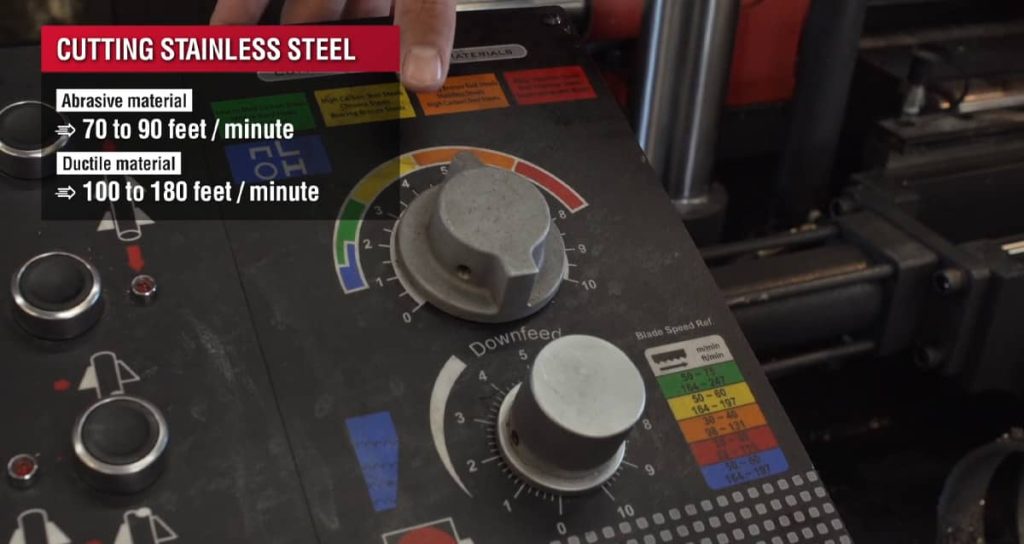
Cutting stainless steel requires different approaches compared to mild steel or aluminum, and many hobbyists learn this the hard way. The work hardening tendency of austenitic grades means that light passes or slow feed rates can actually make the material harder to cut rather than easier. When using abrasive cutting tools and saw blades, maintaining consistent pressure and appropriate speed prevents the surface from glazing over and dulling your tooling prematurely. Plasma cutting works well on thinner gauges, while laser cutting provides cleaner edges on precision work. For manual cutting with reciprocating saws or band saws, bi-metal blades with higher tooth counts generally outperform standard options. Keeping your cut zone lubricated with appropriate cutting fluid extends tool life and improves edge quality significantly.
Signs You Have the Wrong Stainless Steel Grade for Your Project
- Tea staining or rust spots appearing within weeks of installation in an outdoor environment
- Cracking near welds due to sensitization in grades not designed for welded construction
- Galling and seizing of threaded fasteners made from matching grades without anti-gall coatings
- Stress corrosion cracking in chloride environments when using standard 304 instead of duplex grades
- Magnetic attraction where non magnetic properties were specified
- Excessive work hardening making secondary forming operations impossible
- Rapid blade dulling during cutting operations, indicating improper tooling selection
Heat Treatment Considerations for Common Stainless Steels
Unlike carbon steels, most common stainless steels do not respond to heat treatment in the same way, which surprises many newcomers to metalworking. Austenitic grades like 304 and 316 cannot be hardened through heat treatment and only achieve increased hardness through cold working. Martensitic grades such as 410 and 420 can be hardened and tempered similarly to carbon steel, making them suitable for knife blades and tools requiring a hard edge. Ferritic grades like 430 also cannot be hardened through heat treatment. Annealing stainless steel after heavy cold working restores ductility, but improper annealing temperatures can cause sensitization in certain grades, reducing corrosion resistance. Understanding these characteristics prevents wasted effort attempting impossible hardening operations or inadvertently damaging material properties through incorrect thermal processing.
ALSO WORTH READING
Learn More About M42 Bandsaw Blades
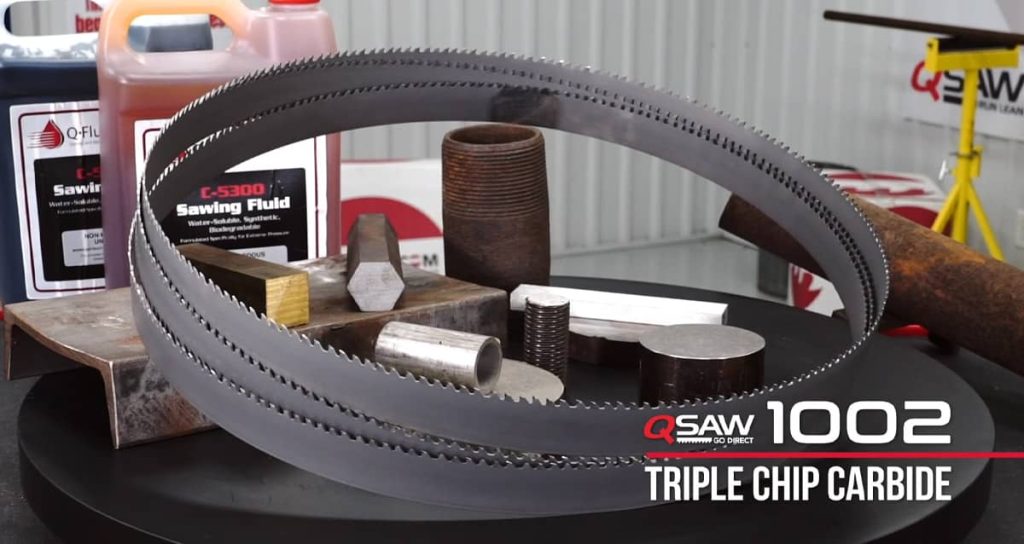
If you are considering upgrading your cutting equipment, M42 bandsaw blades are worth exploring. These high-performance blades feature a cobalt-enriched edge that handles tough materials like stainless steel and high-alloy metals with ease. Check out our article on M42 bandsaw blades to learn how they compare to standard options and whether they are the right fit for your workshop needs.
Practical Tips for Maintaining Stainless Steel Surfaces
- Clean regularly with mild soap and warm water, rinsing thoroughly to prevent residue buildup
- Remove fingerprints and light soiling with glass cleaner or diluted ammonia solutions
- Polish in the direction of the grain to avoid creating visible scratches across the surface finish
- Address rust spots immediately using oxalic acid based cleaners designed for stainless steel
- Avoid chlorine bleach and hydrochloric acid based cleaners that attack the passive layer
- Rinse away salt spray and road chemicals promptly in coastal or winter environments
- Use nylon scrub pads instead of steel wool, which can embed iron particles that later rust
Where Common Stainless Steel Falls Short
Despite its reputation for durability, stainless steel has real limitations that catch people off guard. High chloride environments, particularly at elevated temperatures, can cause rapid pitting even in 316 grade material. Crevice corrosion occurs in tight joints and under gaskets where oxygen cannot reach to maintain the passive layer. Strong reducing acids like hydrochloric can attack even premium stainless grades within hours. When working with precision metal cutting operations, the hardness and toughness of stainless steel demands more from tooling and technique than softer materials. Cost remains another practical limitation, with stainless steel running three to five times the price of mild steel for equivalent dimensions. Recognizing these boundaries helps you specify alternative materials like duplex stainless, nickel alloys, or coated carbon steel when standard grades cannot handle the job.
Choosing the Right Stainless Steel for Specific Industries
- Food and beverage processing typically specifies 304 or 316 for tanks, piping, and contact surfaces
- Pharmaceutical manufacturing often requires electropolished 316L for maximum cleanability
- Architectural applications frequently use 304 for interior elements and 316 for coastal or exterior exposure
- Automotive exhaust systems commonly employ 409 or 439 ferritic grades for heat and oxidation resistance
- Medical device manufacturing favors 316LVM for implantable components requiring biocompatibility
- Water treatment facilities select 316 or duplex grades to handle chlorinated water and chemical exposure
- Industrial cutting equipment manufacturers often use hardened martensitic grades for wear resistance
Making Smart Decisions About Stainless Steel Purchases
Selecting the right common stainless steel grade comes down to honestly evaluating your application requirements and budget constraints. Start by identifying the corrosive elements your material will face, whether that means humidity, salt, chemicals, or elevated temperatures. Consider whether the application requires welding, forming, or machining, and choose grades compatible with those processes. Request mill test reports for structural applications to verify you received the grade you ordered rather than a cheaper substitute. Buy from established distributors who maintain proper material segregation and can provide traceability documentation when needed. For smaller projects, local metal supply houses often stock common sizes in 304 and 316, while specialty grades may require ordering from larger service centers. Taking time to match the material to the application pays off in longer service life and fewer headaches down the road.