Why Your Stock Craftsman Bandsaw Deserves Better Than Factory Parts
If you own a Craftsman 12″ or 14″ bandsaw, you already have a capable machine with solid bones and a reputation for reliability. These saws have been workshop staples for decades, and many are still cutting strong after years of service. However, the factory components that ship with these machines were designed to meet a price point, not to maximize performance. The good news is that a few targeted upgrades can transform your Craftsman bandsaw from a decent tool into a precision cutting machine. Rather than spending thousands on a new saw, investing a fraction of that amount in the right upgrades will dramatically improve cut quality, blade tracking, and overall satisfaction with your work.
Signs Your Craftsman Bandsaw Needs Upgrades
- Blades wear out faster than expected or break prematurely at the weld
- You notice burn marks on wood even when cutting slowly
- Drift requires constant fence adjustment to maintain straight cuts
- The guides make noise or feel rough when the blade passes through
- Vibration transfers through the table during operation
- Resawing thick stock produces wavy or inconsistent surfaces
- You find yourself fighting the saw rather than guiding material smoothly
Understanding the Difference Between 12″ and 14″ Craftsman Models
The Craftsman 12″ and 14″ bandsaws share similar construction philosophies, but they have distinct characteristics that affect which upgrades provide the most benefit. The 12″ models, particularly those in the 113 series, are lighter duty machines that excel at curved cuts and lighter resawing tasks. The 14″ models offer more throat capacity and typically handle wider blades, making them better suited for straight cuts in thicker material. Both machines benefit from the same general categories of upgrades, though the specific parts differ between the two sizes. When planning your upgrade path, always verify compatibility with your exact model number, as Craftsman produced variations within each size category over the years.
Why Blade Guides Should Be Your First Upgrade Priority
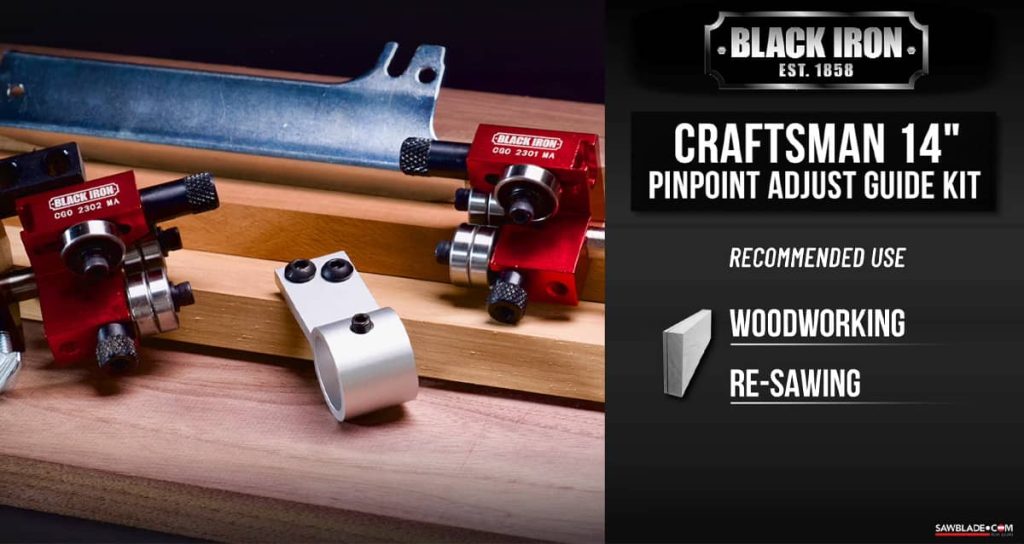
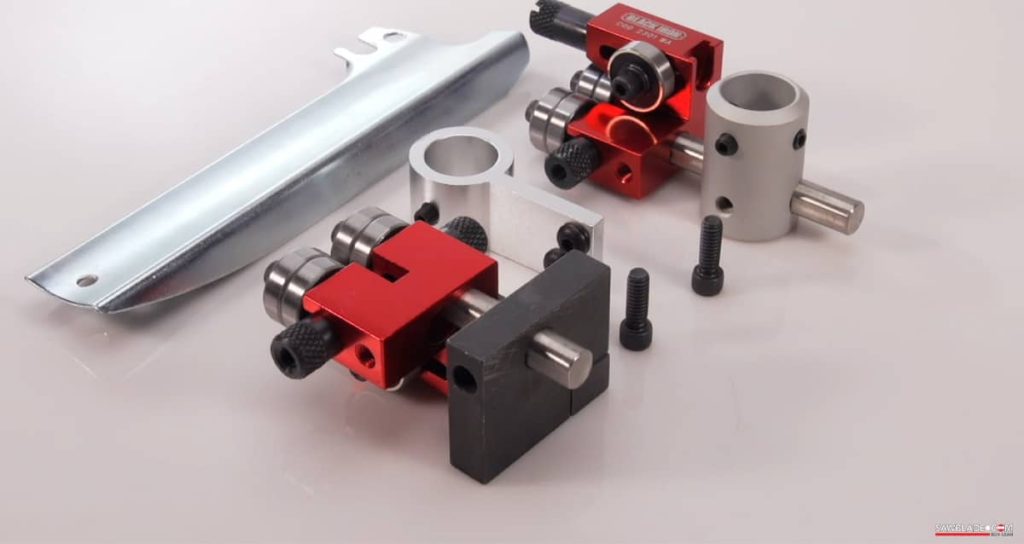
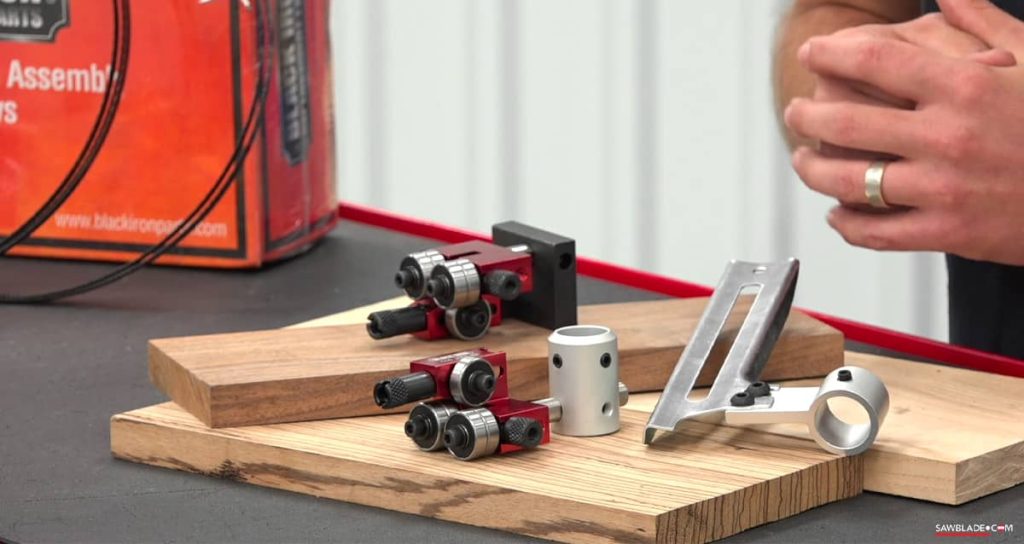
Factory blade guides on Craftsman bandsaws are the weakest link in an otherwise solid design. The original guide blocks, whether steel or composite, create friction that generates heat and accelerates blade wear. This friction also allows micro-movements in the blade that translate directly into cut quality problems. Upgrading to sealed ball bearing roller guides eliminates these issues immediately. The bearings support the blade without creating drag, which means cooler operation and significantly longer blade life. For the Craftsman 12″ Model 113 series, the CRV BIP2 kit provides a direct replacement that installs without modification. The 14″ models, including those compatible with SEA-14 specifications, can use the CRV BIP1 kit. These upgrades typically take less than an hour to install and produce results you will notice on your very first cut.
Craftsman Bandsaw Upgrade Comparison by Model
| Upgrade Category | 12″ Model 113 Series | 14″ Sears/Craftsman Models |
| Blade Guide Kit | CRV BIP2 | CRV BIP1 (SEA-14 compatible) |
| Blade Width Range | 3/16″ to 3/4″ | 3/16″ to 1″ |
| Installation Difficulty | Beginner friendly | Beginner friendly |
| Compatible With Original Mounts | Yes | Yes |
| Typical Performance Gain | 40% smoother cuts | 40% smoother cuts |
| Blade Life Improvement | 2x to 3x longer | 2x to 3x longer |
The Connection Between Guide Upgrades and Blade Performance
Many woodworkers blame their blades when cuts go poorly, but the guides supporting those blades often deserve the real criticism. When you install quality roller guides on your Craftsman bandsaw, something interesting happens to your blade selection process. Suddenly, mid-range bandsaw blades perform like premium options because they can track properly and stay cool during extended cuts. The reduced friction means the blade teeth do their job without the constant micro-flexing that dulls edges prematurely. This relationship between guides and blade performance is why experienced bandsaw users always recommend upgrading guides before investing in expensive specialty blades.
Additional Worthwhile Upgrades After Blade Guides
- A quality resaw fence that clamps solidly and adjusts for drift angle
- Larger tires made from urethane rather than the original rubber compound
- An aftermarket miter gauge with positive stops at common angles
- LED lighting mounted above the blade for better cut line visibility
- A mobile base to move the saw easily for shop cleaning or reconfiguration
- Dust collection fittings sized to match your shop vacuum or collector system
- A blade tension gauge to ensure consistent and accurate tensioning
How Proper Blade Tension Changes Everything
Undertensioned blades cause more problems on Craftsman bandsaws than almost any other single issue. The factory tension scales on these machines are notoriously inaccurate, leading most users to run their blades too loose. A properly tensioned blade tracks true, resists deflection during cuts, and produces straighter results with less effort. The simple solution is a dedicated blade tension gauge, which removes guesswork entirely. Set your tension according to the blade width and material, and you will immediately notice improved cutting accuracy. This upgrade costs relatively little compared to guide systems but delivers substantial returns in cut quality and blade longevity.
ALSO WORTH READING
Choosing the Right Bandsaw Guide Kit
If you’re looking to upgrade or replace your bandsaw guides, you’ll want to understand the differences between aftermarket and OEM options before making a decision. Each type has its own advantages depending on your budget, machine, and the kind of work you do. Our article on bandsaw guide kits breaks down the key factors to help you find the best fit for your setup.
Common Mistakes When Upgrading Craftsman Bandsaws
- Installing upgrades without first cleaning and inspecting the existing components thoroughly
- Choosing parts based on price alone rather than compatibility with your specific model
- Skipping the alignment process after installing new guides or tires
- Over-tensioning blades after installing better guides, thinking more is better
- Neglecting to square the table to the blade after making mechanical changes
- Rushing through installation without reading instructions specific to your saw
- Forgetting to adjust both upper and lower guides when upgrading the system
Selecting the Right Blades for Your Upgraded Craftsman Bandsaw
Once you have installed quality roller guides on your Craftsman 12″ or 14″ bandsaw, your blade choices expand considerably. The 12″ models handle blades from 3/16″ for tight curves up to 3/4″ for general resawing, while the 14″ machines can run blades up to 1″ wide for serious resawing work. For most woodworking tasks, a 1/2″ blade with 3 or 4 teeth per inch offers an excellent balance between curve capability and straight cutting. When shopping for quality saw blades, look for bi-metal construction and precision ground teeth rather than stamped profiles. Your upgraded guides will get the most from these better blades, creating a system that cuts cleaner and lasts longer than the stock configuration ever could.
Maintenance Habits That Protect Your Upgrades
- Check guide bearing alignment monthly and adjust if any play develops
- Clean sawdust from around the bearings after each extended cutting session
- Inspect blade tension before starting work, as temperature changes affect it
- Lubricate the blade tension adjustment mechanism every few months
- Verify table squareness to the blade quarterly or after any heavy use
- Replace tires when they show cracks, hardening, or uneven wear patterns
- Keep a log of blade changes and hours of use to track performance over time
Making Your Craftsman Bandsaw Last Another Generation
The Craftsman 12″ and 14″ bandsaws have earned their reputation through decades of dependable service in home workshops and small professional shops alike. With strategic upgrades focused on blade guides and support systems, these machines can continue performing at a high level for years to come. The investment in sealed ball bearing guides pays dividends every time you make a cut, through reduced blade wear, cleaner surfaces, and less time spent compensating for equipment limitations. Whether you use your bandsaw for furniture making, general woodworking, or the occasional home repair project, these upgrades transform a good saw into an excellent one. Take the time to choose the right blade and guide combination for your specific model, and your Craftsman bandsaw will reward you with precision cuts that rival machines costing several times more.