Understanding the Real Debate Behind Bandsaw Guide Upgrades
If you spend any time on woodworking forums, you will notice a recurring theme when bandsaw guide kits come up in conversation. Some users swear by aftermarket ball bearing upgrades while others insist that factory guides work perfectly fine when properly adjusted. The truth sits somewhere in the middle, and understanding when an upgrade actually makes sense versus when it solves a problem that does not exist will save you both money and frustration. This comparison breaks down the practical differences between aftermarket bandsaw guide kits and OEM options based on actual shop experience rather than marketing claims.
Key Factors That Separate Aftermarket Guide Kits from OEM Guides
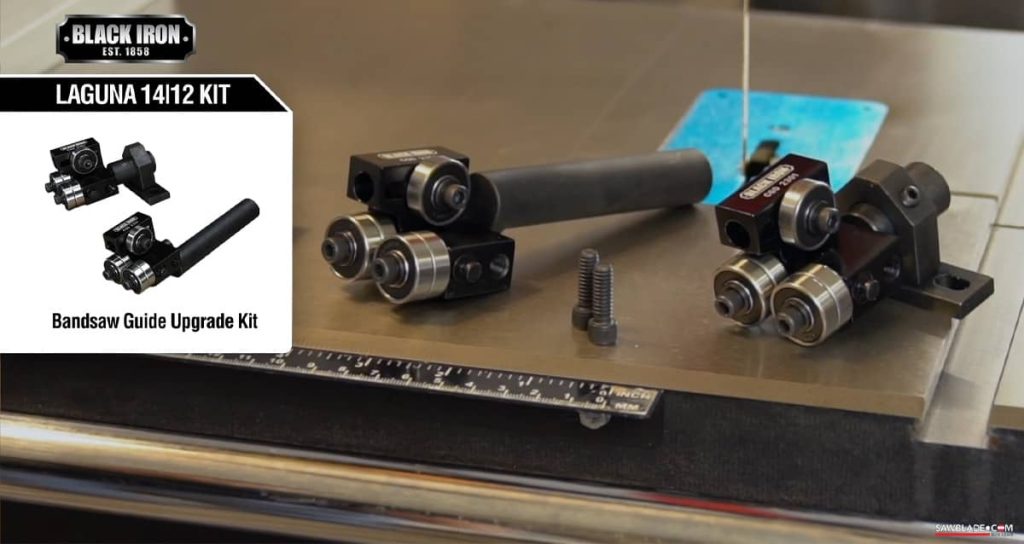
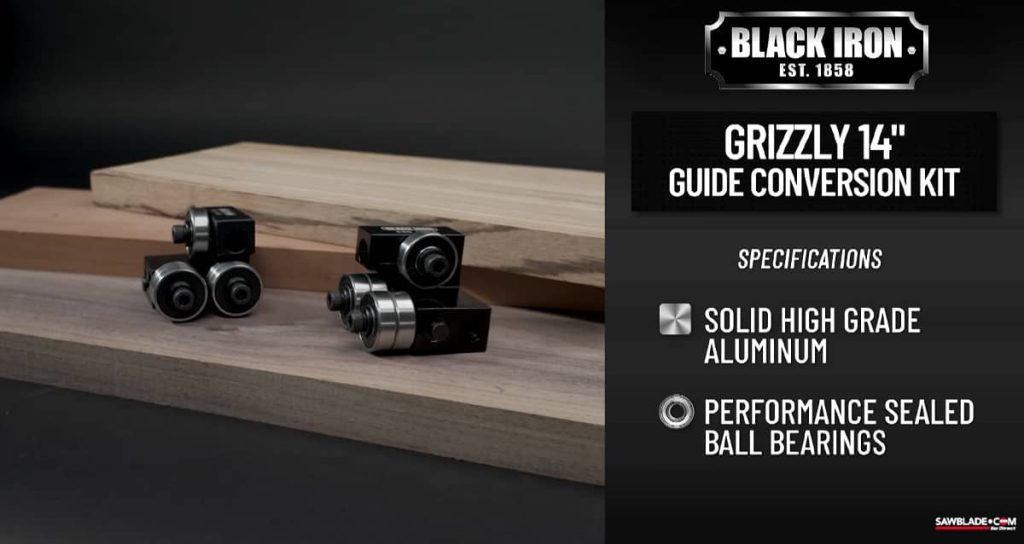
- Material construction varies significantly, with OEM guides typically using steel blocks or ceramic inserts while aftermarket kits feature sealed ball bearings
- Installation complexity differs as factory guides are designed for quick adjustment while bearing conversions often require complete mounting hardware replacement
- Price points range from simple OEM replacement blocks under twenty dollars to full bearing conversion kits between sixty and one hundred fifty dollars
- Longevity expectations change based on design, with some ceramic OEM guides lasting over a decade while bearing seals may require periodic replacement
- Blade compatibility windows vary, though most quality aftermarket kits accommodate blade widths from 3/16 inch to 1 inch
What OEM Bandsaw Guides Actually Do Well
Factory guides get dismissed too quickly in online discussions, often by users who have never properly tuned their machines. The reality is that a well-adjusted bandsaw with stock guides can produce excellent results for years without modification. One experienced woodworker reported running Laguna ceramic guides for over nineteen years, cutting more than ten thousand linear feet of cypress without any measurable wear. The key insight here is that guides serve primarily as a safety backstop rather than the main driver of cut precision. They should barely contact the blade during normal operation, preventing dangerous lateral movement without creating friction that generates heat or premature wear.
When Aftermarket Bandsaw Guide Kits Actually Make Sense
The honest answer is that bearing guide conversions benefit certain users more than others. If you regularly resaw thick hardwood stock, run your bandsaw for extended production sessions, or have worn out factory guides that no longer adjust properly, an upgrade kit can make a noticeable difference. Ball bearing guide kits reduce friction because the bearings roll with blade movement rather than creating sliding contact. This matters most during demanding cuts where heat buildup becomes a factor. However, if you use your bandsaw occasionally for general shop tasks and your current guides are in decent shape, spending money on a conversion kit may not produce any perceptible improvement in cut quality.
Comparison of Popular Bandsaw Guide Kit Options
| Feature | OEM Block or Ceramic Guides | Aftermarket Ball Bearing Kits |
| Typical Price Range | $15 to $50 | $60 to $150 |
| Friction Level | Moderate sliding contact | Minimal rolling contact |
| Heat Generation | Higher during extended use | Lower during extended use |
| Adjustment Frequency | More frequent fine tuning needed | Generally holds settings longer |
| Installation Time | 10 to 20 minutes | 30 to 60 minutes for full conversion |
| Blade Width Range | Varies by saw model | Most kits fit 3/16 inch to 1 inch blades |
| Typical Lifespan | 5 to 20 years depending on material | 3 to 10 years before bearing replacement |
| Best Suited For | Light to moderate use | Heavy resawing and production work |
The Technique Factor That Most Guides Cannot Fix
Here is something that aftermarket guide kit marketing rarely mentions: most perceived guide problems are actually technique issues in disguise. Forcing cuts, using dull blades, applying excessive side pressure, and feeding stock too quickly all create symptoms that feel like guide failures. One forum member shared that he ran a 24 inch bandsaw with no guides installed at all during a resaw job and noticed surprisingly little difference in cut quality. This does not mean guides are unnecessary, but it does highlight that proper blade selection and cutting technique matter far more than guide type. Before spending money on an upgrade, make sure your current setup is properly tuned and your blades are sharp.
Signs That Your Current Bandsaw Guides Need Attention
- Visible wear grooves in block guides that prevent proper blade contact
- Ceramic inserts that have cracked or chipped from impact
- Guides that no longer hold adjustment and drift during cutting
- Excessive blade wander even after careful setup and tensioning
- Unusual blade wear patterns suggesting uneven guide contact
- Burning marks on wood indicating friction and heat buildup
- Squealing or grinding sounds during operation
Simple Upgrades That Cost Less Than a Full Guide Kit
Before committing to a complete bearing guide conversion, consider smaller modifications that address common issues without the full expense. Many experienced users recommend swapping tool-free adjustment knobs for standard bolts on factory guides. The quick-adjust knobs that come stock on many saws seem convenient but often fail to hold settings tightly during extended cuts. A few dollars worth of hex bolts and lock washers can transform guide stability without replacing the entire system. Additionally, quality replacement blades matched to your cutting tasks often produce better results than guide upgrades. A fresh blade with the right tooth count and set will outperform any guide configuration paired with a dull or inappropriate blade.
ALSO WORTH READING
Get Your Blade Tracking Right
Proper guide setup is only part of the equation when it comes to getting clean cuts from your bandsaw. If your blade is wandering or not running true on the wheels, even the best guides will not help much. For a complete walkthrough on dialing in your blade tracking, take a look at our guide on How to Set Bandsaw Guides for Smooth, Accurate Blade Tracking. It covers everything you need to know to keep your blade running exactly where it should.
What Aftermarket Ball Bearing Guide Kits Include
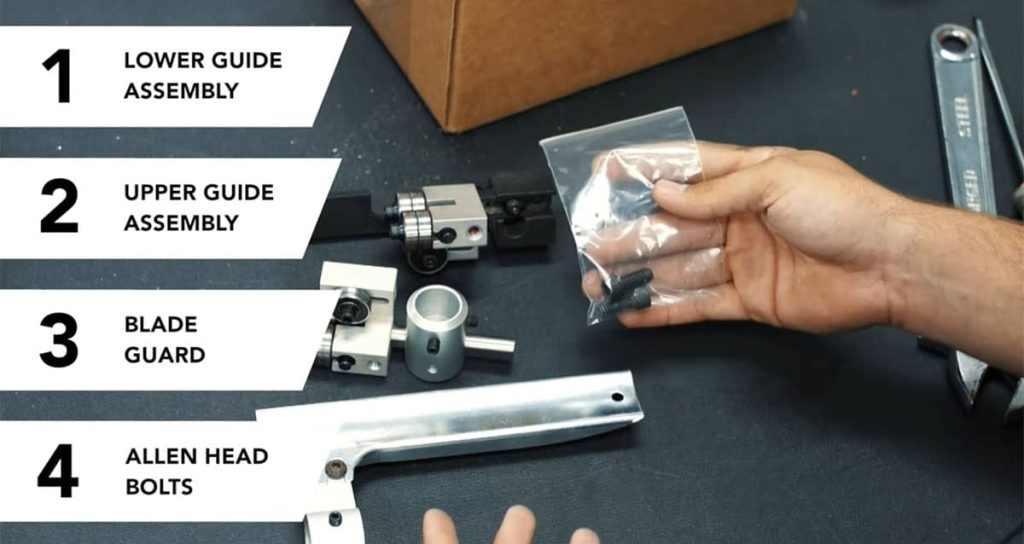
- Upper and lower guide assemblies with sealed ball bearings on side and thrust positions
- Mounting brackets designed for specific saw models such as Grizzly 14 inch, Craftsman 12 inch Model 113, or Laguna 12 and 14 inch saws
- All necessary mounting hardware including bolts, washers, and spacers
- Adjustment mechanisms for setting bearing distance from blade
- Instructions for removal of factory guides and installation of new assemblies
Real User Experiences Worth Considering
Forum discussions reveal a pattern that potential buyers should understand before purchasing aftermarket bandsaw guide kits. Users who upgraded from worn out factory guides consistently report positive experiences because they were solving an actual problem. Those who upgraded from properly functioning OEM guides often express mixed feelings, noting that while the bearing kits work well, the improvement was more subtle than expected. The most satisfied upgraders tend to be those who do significant resawing work, running their bandsaws frequently on thick stock where reduced friction translates to cooler blades and cleaner cuts. Occasional users who upgraded preemptively sometimes feel they spent money unnecessarily on equipment that performs marginally better than what they replaced.
Questions to Ask Before Buying Bandsaw Guide Kits
- Are your current guides actually worn or just poorly adjusted
- Do you experience blade heat or premature dulling during typical use
- How many hours per week does your bandsaw actually run
- What percentage of your work involves demanding resaw operations
- Is your blade quality and sharpness already optimized
- Does your saw model have replacement parts readily available or are aftermarket options your only choice
- What is your realistic budget for this upgrade versus other shop improvements
Making the Right Choice for Your Shop
The decision between aftermarket bandsaw guide kits and sticking with OEM options comes down to honest assessment of your actual needs. Production shops and serious resawers will likely benefit from ball bearing conversions that reduce friction during extended operation. Weekend woodworkers and hobbyists with properly functioning factory guides will probably find that careful tuning and sharp blades deliver all the performance they need. Neither choice is universally correct, and the best bandsaw guide setup is the one that matches how you actually use your saw. Take time to properly adjust whatever guides you have, keep your blades sharp and appropriate for the task, and upgrade only when you have identified a genuine limitation that new guides will solve.