Why the Grizzly 14″ Bandsaw Deserves a Closer Look
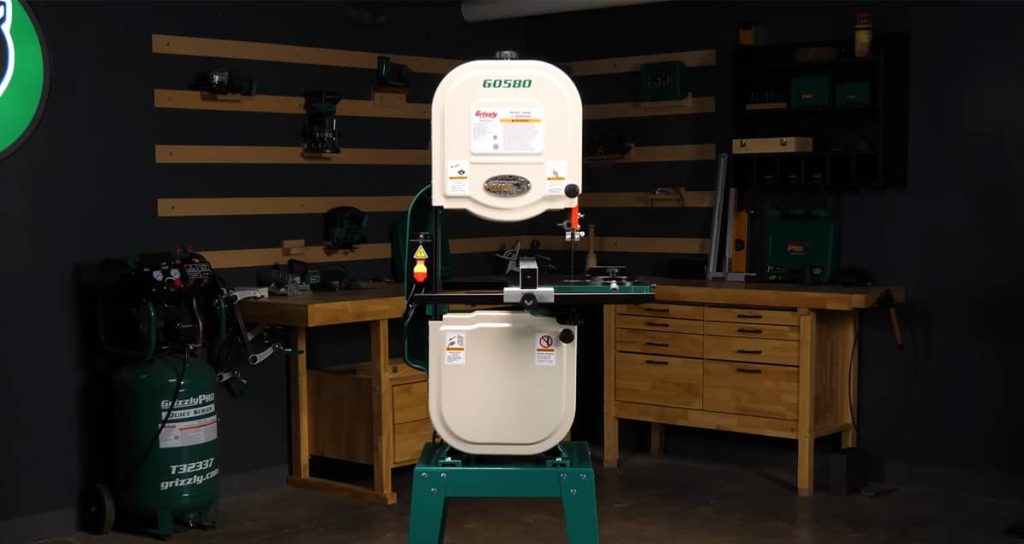
The Grizzly 14″ bandsaw has earned a solid reputation among woodworkers who need a mid-sized machine that balances power, precision, and price. Unlike entry-level saws that struggle with dense hardwoods or resawing tasks, this model delivers the throat capacity and motor strength needed for serious shop work. What makes this saw particularly interesting is how well it responds to thoughtful upgrades and proper blade selection. Out of the box, it performs respectably, but with some strategic modifications and the right blade choices, it transforms into a genuinely capable workhorse that punches above its weight class.
Stock Features Worth Noting on the Grizzly 14″ Bandsaw
- Cast iron table measuring approximately 14″ x 14″ with a miter slot for guided cuts
- Single-phase motor options typically ranging from 1 HP to 1.5 HP depending on the model variant
- 14″ wheel diameter providing adequate blade speed for most woodworking applications
- Blade tension adjustment with a quick-release lever for faster blade changes
- Rip fence included, though many users find aftermarket options more precise
- Dust port compatible with standard 4″ shop vacuum systems
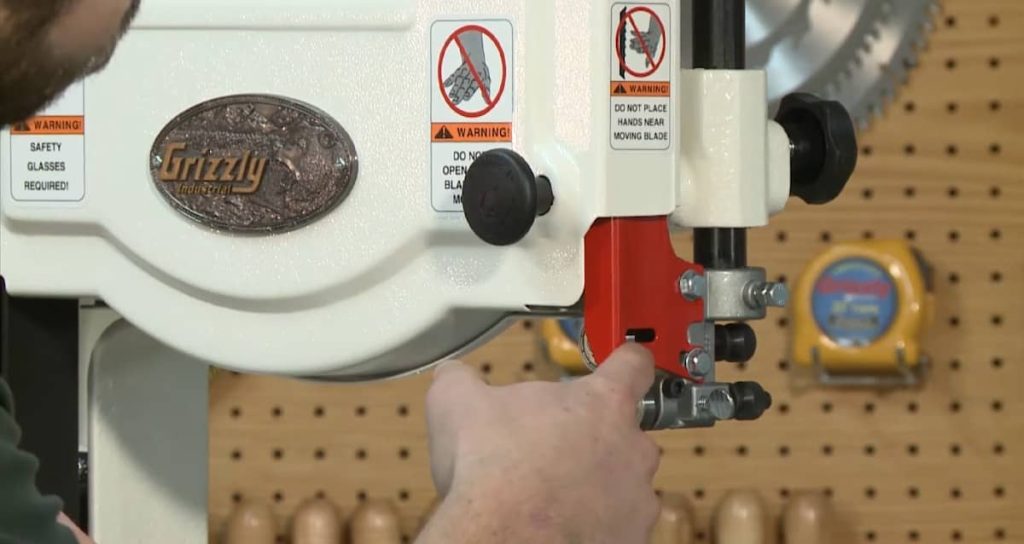
- Adjustable blade guides positioned above and below the table
- Tilting table capability up to 45 degrees for angled cuts
Understanding Blade Selection for the Grizzly 14″ Bandsaw
Choosing the right blade for your Grizzly 14″ bandsaw makes a noticeable difference in cut quality and saw performance. For general-purpose work, a 1/2″ blade with 3 to 4 teeth per inch handles most tasks from rough dimensioning to moderate curves. If you frequently resaw lumber into thinner stock, stepping up to a 3/4″ or even 1″ blade with 2 to 3 TPI provides better tracking and reduces blade wander through thick material. Conversely, tight radius cuts and scrollwork require narrower blades, with 1/4″ and 3/16″ options allowing curves under 1″ radius. The steel composition matters too, as bi-metal blades last longer when cutting abrasive woods or occasionally hitting hidden nails, while carbon steel blades work well for cleaner softwoods at a lower replacement cost.
Why Blade Guides Matter More Than You Think
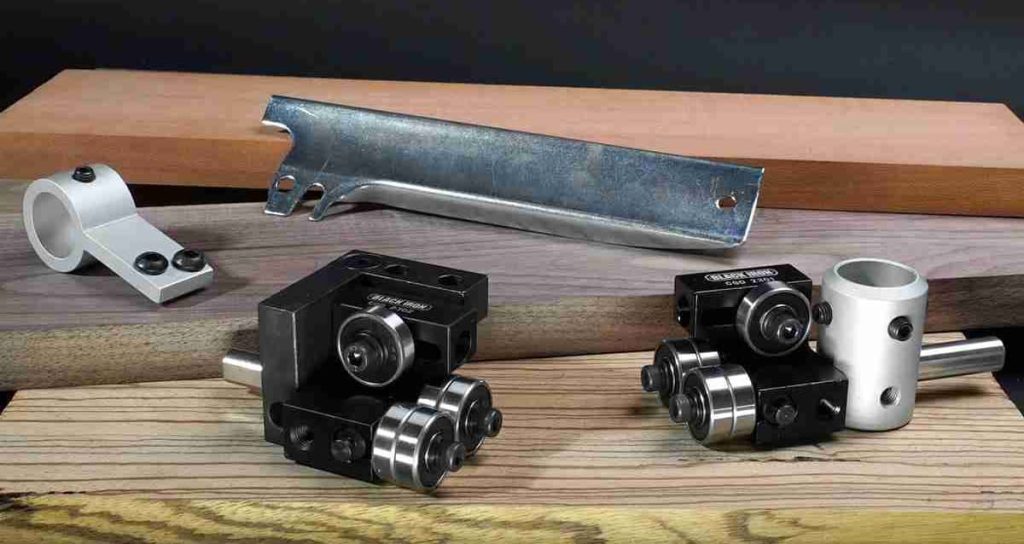
The factory blade guides on the Grizzly 14″ bandsaw are functional but represent one of the clearest upgrade opportunities on this machine. Stock guides typically use solid steel blocks that require precise adjustment and tend to wear over time, creating play that affects cut accuracy. Upgrading to sealed ball-bearing roller guides changes the entire cutting experience. These aftermarket guide systems reduce friction against the blade, which means less heat buildup, longer blade life, and smoother cuts. The Grizzly blade guide system designed specifically for 14″ machines accommodates blade widths from 3/16″ to 1″, covering everything from fine scrollwork to aggressive resawing. The difference becomes especially apparent during extended use, where bearing guides maintain consistent performance rather than degrading as the session progresses.
Blade Size and Application Reference for the Grizzly 14″ Bandsaw
| Blade Width | Teeth Per Inch | Minimum Curve Radius | Best Applications |
| 3/16″ | 10 to 14 TPI | 3/16″ | Tight scrollwork and intricate patterns |
| 1/4″ | 6 to 10 TPI | 5/16″ | General curves and template work |
| 3/8″ | 4 to 6 TPI | 5/8″ | Moderate curves and light resawing |
| 1/2″ | 3 to 4 TPI | 2.5″ | General purpose cutting and mild curves |
| 3/4″ | 2 to 3 TPI | 5″ | Resawing and straight cuts in thick stock |
| 1″ | 2 to 3 TPI | 7″ | Heavy resawing and maximum stability |
The Real Impact of Precision Guides on Cutting Performance
Installing precision blade guides on the Grizzly 14″ bandsaw addresses one of the most common frustrations woodworkers experience with stock machines. When guides allow even slight blade movement, the saw can produce wavy cuts, burned edges, and inconsistent thickness during resawing operations. Upgraded guide systems featuring high-quality sealed ball-bearing roller guides provide solid lateral and thrust support that keeps the blade tracking true through demanding cuts. The bandsaw blade guides reduce friction significantly, which translates to cooler running temperatures and extended blade life. For woodworkers who depend on accuracy, particularly those doing veneer work or cutting expensive figured lumber, this upgrade pays for itself quickly through reduced waste and better results.
Practical Upgrades That Improve Grizzly 14″ Bandsaw Performance
- Aftermarket fence systems with micro-adjustment capabilities for more precise rip cuts
- Link-style belts to replace factory V-belts, reducing vibration and running quieter
- Mobile bases that allow you to position the saw where needed and store it efficiently
- Upgraded table inserts with zero-clearance openings for specific blade widths
- Magnetic blade tension gauges for consistent, accurate tensioning between blade changes
- LED work lights mounted above the cut line for better visibility
- Extended tables or outfeed supports for handling longer stock safely
Setting Up Your Grizzly 14″ Bandsaw for Optimal Results
Proper setup determines whether your Grizzly 14″ bandsaw performs at its best or leaves you frustrated with poor cuts. Start with wheel alignment, ensuring both upper and lower wheels sit in the same plane using a straightedge across both tire surfaces. Next, tension your blade according to manufacturer specifications, then track the blade so it rides centered on the tires. Blade guides should sit just behind the blade gullets, not touching the teeth themselves, with bearings positioned about a paper thickness from the blade body when not under load. The thrust bearing behind the blade should make light contact only during actual cutting. Finally, square the table to the blade using a reliable square, adjusting the table stops as needed. Taking time with these fundamentals eliminates many common problems before they start.
ALSO WORTH READING
Ready to Make Your First Cut?
If you just picked up a QSaw 601 M42 bandsaw blade or you’re thinking about getting one, take a few minutes to read our complete guide before you start cutting. It covers everything from proper blade tension to break-in procedures that will help you get the best performance and longest life out of your blade. Trust us, a little prep goes a long way when you’re working with quality M42 bi-metal blades.
Maintenance Schedule for Long-Term Reliability
- Check blade tension before each use and adjust as needed for the installed blade width
- Inspect blade teeth weekly for dullness, cracks, or missing carbide tips
- Clean sawdust from wheel tires and around guide bearings after every session
- Lubricate any moving parts monthly according to the owner’s manual specifications
- Verify guide alignment and adjust bearing positions every few blade changes
- Clean and wax the table surface quarterly to prevent rust and reduce friction
- Replace worn tire rubber when tracking becomes inconsistent or visible cracks appear
- Inspect belts for wear or glazing every six months and replace when needed
Troubleshooting Common Grizzly 14″ Bandsaw Issues
When your Grizzly 14″ bandsaw starts producing less than perfect results, systematic troubleshooting usually identifies the cause quickly. Blade drift during ripping often results from dull blades, improper tensioning, or guides set too far from the blade. Rough or burned cuts typically indicate blade dullness, excessive feed rate, or the wrong blade selection for the material. If the blade breaks frequently, check for over-tensioning, guide bearings that bind against the blade, or worn tire rubber causing tracking problems. Excessive vibration usually points to damaged tires, out-of-round wheels, or worn drive belts. Understanding how different blades perform across various cutting tasks helps you select the right blade for each job, preventing many issues before they occur. Most problems trace back to basic setup and maintenance items rather than mechanical failures.
Blade Care Practices That Extend Service Life
- Store blades coiled in a dry location away from humidity that promotes rust
- Clean pitch and resin buildup with appropriate blade cleaner after cutting resinous woods
- Allow blades to cool gradually rather than quenching in water after heavy use
- Rotate between multiple blades rather than using one blade until complete failure
- Avoid cutting materials too thick for the installed blade width and TPI
- Never force material through the blade faster than it can cut cleanly
- Remove blades from the saw during extended storage periods to prevent tire flat spots
Making the Most of Your Grizzly 14″ Bandsaw Investment
The Grizzly 14″ bandsaw represents a serious tool for woodworkers ready to move beyond basic models without jumping to industrial equipment. Its ability to accept meaningful upgrades, particularly precision guide systems with sealed ball-bearing roller guides, allows the saw to grow with your skills and demands. Spending time on proper setup, selecting appropriate blades for specific woodworking applications, and following a consistent maintenance routine keeps this machine running accurately for years. Whether you use it primarily for curves, joinery cuts, or resawing thick lumber into usable boards, understanding how each component affects performance helps you get consistently better results. The initial purchase is just the beginning of a relationship with a tool that rewards attention and care with reliable, precise cuts.