The Waxing Debate Every Bandsaw Owner Encounters
If you’ve spent any time in woodworking forums or chatting with fellow hobbyists, you’ve likely heard conflicting advice about waxing bandsaw tires. Some swear by a thin coat of paste wax to prevent pitch and resin buildup, while others warn it’s the fastest way to ruin your blade tracking. The truth is that this seemingly simple maintenance question has a definitive answer, and understanding the reasoning behind it will help you keep your bandsaw running smoothly for years without creating new problems in the process.
Why Woodworkers Consider Waxing Bandsaw Tires
- Pitch and resin from softwoods can accumulate on tire surfaces over time
- Some users believe wax creates a protective barrier against sticky residue
- The technique is borrowed from other woodworking applications where wax reduces friction
- Online tutorials occasionally recommend it as a quick maintenance shortcut
- Older woodworking books sometimes mention wax as a general purpose shop solution
How Bandsaw Tires Actually Function
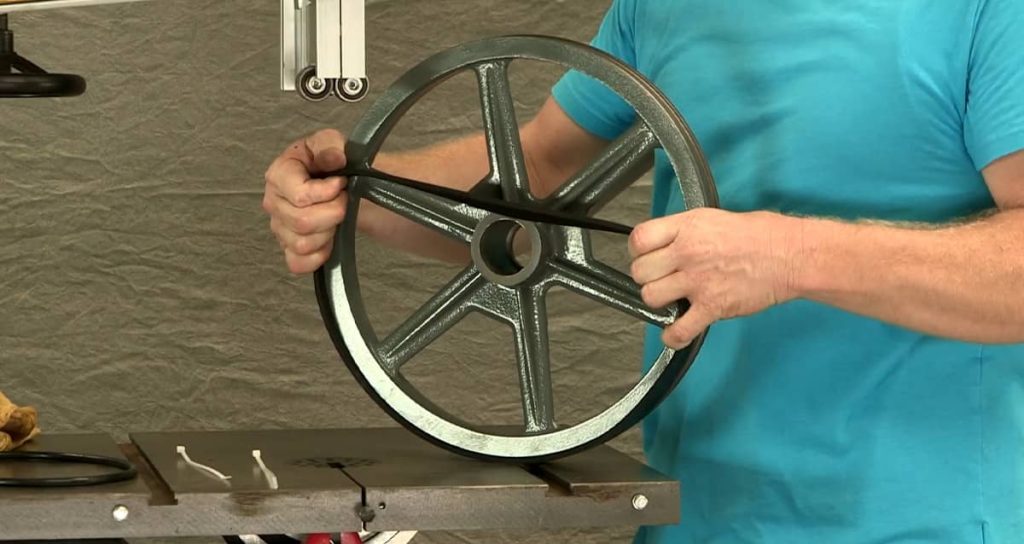
Bandsaw tires serve a specific mechanical purpose that makes them fundamentally different from other surfaces in your shop. The rubber or urethane coating on your bandsaw wheels exists to grip the blade through friction, allowing the motor to drive the blade through wood without slippage. This friction is not a problem to solve but rather the entire point of the tire’s existence. When you understand that bandsaw tires need to maintain a firm hold on the blade, the logic against waxing becomes immediately clear.
The Real Problem With Waxing Bandsaw Tires
Applying paste wax or any lubricant to bandsaw tires directly works against their primary function. Wax reduces friction, which means the blade can begin to slip, wander, or track unpredictably during cuts. In more serious cases, a waxed tire surface can cause the blade to jump off the wheels entirely, creating both a safety hazard and potential damage to your equipment. The blade needs consistent contact with the tire surface, and any lubricating film compromises that relationship in ways that affect cut quality and operational safety.
Bandsaw Tire Materials and Their Maintenance Needs
| Tire Material | Typical Lifespan | Cleaning Method | Wax Recommended | Best For |
| Natural Rubber | 3 to 5 years | Mild degreaser and brush | No | General woodworking |
| Urethane | 7 to 10 years | Damp cloth or light solvent | No | Heavy use and resawing |
| Cork | 2 to 4 years | Gentle brushing only | No | Vintage machines |
| Polyurethane | 5 to 8 years | Degreaser or mineral spirits | No | Mixed material cutting |
When Pitch Buildup Actually Becomes a Problem
The pitch accumulation that prompts many woodworkers to consider waxing their bandsaw tires is primarily a softwood issue. If you’re cutting a lot of pine, spruce, or fir, you’ll notice sticky residue building up on tire surfaces over time. Hardwood users rarely encounter this problem at all. Even when pitch does accumulate, it tends to happen gradually, giving you plenty of time to address it through proper cleaning rather than preventive waxing that creates more issues than it solves.
Effective Ways to Clean Bandsaw Tires
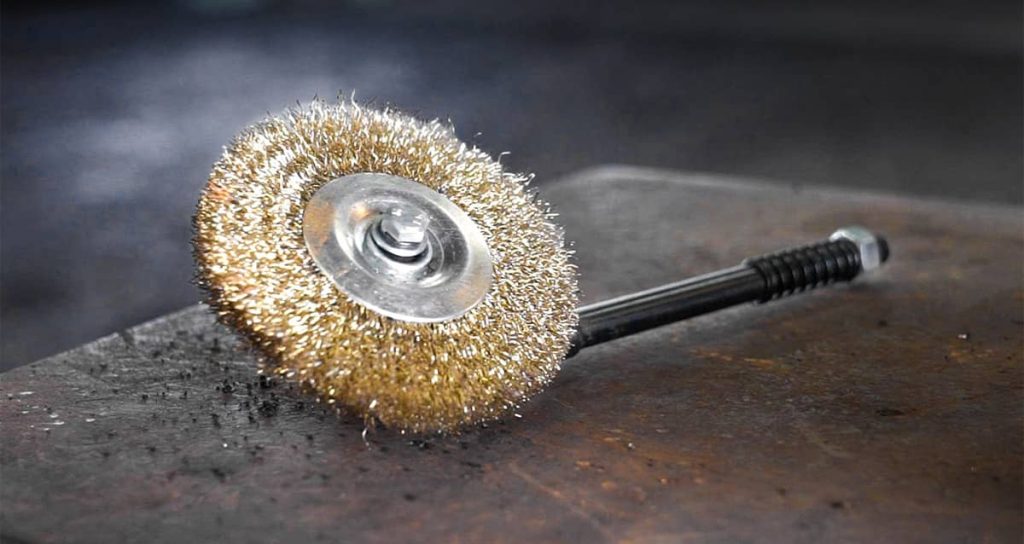
- Install a mounted brush that sweeps the tire surface during operation
- Use a shop vacuum at the end of each cutting session to remove dust and debris
- Apply a mild degreaser with a stiff brush for stubborn pitch deposits
- Wipe tires with mineral spirits on a clean rag for periodic deep cleaning
- Use a rubber eraser or crepe rubber block to remove surface contamination
- Rotate the wheel by hand while cleaning to address the entire tire circumference
What Experienced Woodworkers Actually Do
Most seasoned bandsaw users have never waxed their tires and never will. The practice simply isn’t part of established maintenance routines among professional woodworkers or serious hobbyists who rely on their bandsaws daily. The preferred approach involves regular mechanical cleaning and occasional inspection for wear, cracks, or hardening. When you talk to someone who has run a bandsaw for twenty years, they’ll typically describe a simple routine of keeping the tires clean and replacing them when they show genuine wear.
ALSO WORTH READING
Thinking About Adding More Cutting Capacity?
If you’re looking to get more out of your bandsaw, a riser block can be a worthwhile upgrade. We put together a guide covering the best riser block options for popular brands like Delta, Ridgid, Jet, and Grizzly. It breaks down what fits each model and what to expect from the installation process, so you can figure out if it’s the right move for your shop.
Signs Your Bandsaw Tires Need Attention
- Visible cracks or checking on the tire surface
- Hardened rubber that has lost its original flexibility
- Blade tracking problems that persist after adjustment
- Flat spots or uneven wear patterns around the circumference
- The blade slipping during heavy resawing cuts
- Chunks or sections of tire material missing or peeling
Why Tire Replacement Beats DIY Remedies
When bandsaw tires are genuinely worn, hardened, or damaged, no amount of wax, conditioner, or cleaning will restore proper function. The real solution is replacement. Attempting to extend the life of degraded tires with surface treatments only delays the inevitable while compromising your cut quality in the meantime. Urethane replacement tires in particular offer significant advantages over original rubber, including longer service life, better resistance to brittleness, and improved performance during demanding resawing operations.
Proper Bandsaw Tire Maintenance Schedule
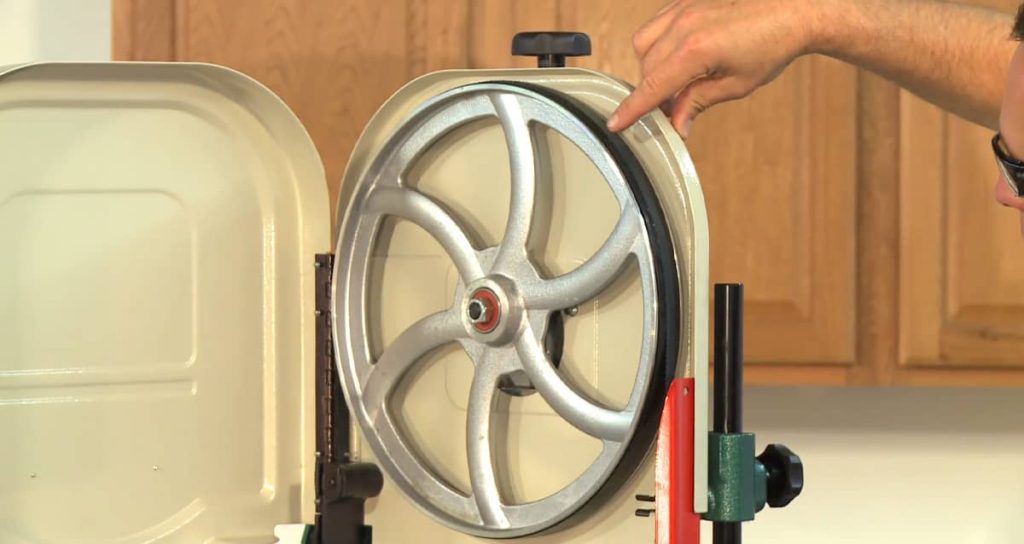
- Inspect tires visually before each extended cutting session
- Clean accumulated dust and debris weekly for regular users
- Deep clean with appropriate solvents monthly or as needed
- Check tire tension and seating on wheels every few months
- Replace tires at the first sign of significant hardening or cracking
- Keep a spare set of tires on hand if you use your bandsaw frequently
Where Wax Belongs in Your Workshop
Paste wax has many legitimate applications in woodworking, just not on bandsaw tires. Use it on hand plane soles to reduce friction during smoothing passes. Apply it to workbench tops to protect the surface and make glue cleanup easier. Wax your table saw top and bandsaw table to help workpieces slide smoothly during cuts. Quality bandsaw blades and properly maintained tires work together to deliver clean cuts, and keeping lubricants away from the tire surface ensures that relationship stays intact. Save the wax for surfaces where reduced friction actually helps rather than hinders your work.
Keeping Your Bandsaw Running Smoothly for Years
The question of whether to wax bandsaw tires has a clear answer: don’t do it. The friction between tire and blade is essential to safe, accurate operation, and anything that reduces that grip creates problems you don’t want to troubleshoot. Stick with regular cleaning using appropriate methods, inspect your tires periodically for wear, and replace them when they’ve reached the end of their useful life. Urethane tires offer an excellent upgrade path when replacement time comes, providing longer service and better performance than standard rubber. By understanding how your bandsaw actually works and maintaining it accordingly, you’ll get reliable performance and precise cuts without creating new headaches through well intentioned but misguided shortcuts.