Understanding M42 Bandsaw Blades and Stainless Steel Cutting
If you work with stainless steel regularly, you already know it presents unique challenges that standard blades simply cannot handle well. M42 bandsaw blades have become the go-to choice for fabricators, machine shops, and manufacturers who need reliable cuts through demanding materials. The M42 designation refers to a specific high-speed steel alloy containing 8% cobalt, which gives the blade exceptional heat resistance and edge retention. When matched against stainless steel, these bi-metal blades perform remarkably well because they maintain their hardness even when cutting temperatures rise. The short answer to whether M42 bandsaw blades cut stainless steel effectively is yes, and for many applications, they represent the best balance of performance and value.
Why Stainless Steel Challenges Ordinary Bandsaw Blades
- Stainless steel work hardens during cutting, meaning the material becomes harder as you cut through it, which quickly dulls standard blades
- The chromium content in stainless creates friction and generates significant heat at the cutting edge
- Low thermal conductivity causes heat to concentrate at the blade contact point rather than dissipating through the workpiece
- Gummy chip formation can clog tooth gullets and cause blade wander or premature wear
- The material requires consistent feed pressure and speed control that carbon steel blades cannot sustain
- Interrupted cuts through stainless tubing or structural shapes amplify shock loading on blade teeth
How M42 High-Speed Steel Handles Heat and Wear
The 8% cobalt content in M42 high-speed steel makes these blades particularly effective for stainless steel applications. Cobalt increases the red hardness of the blade edge, allowing it to maintain cutting ability at temperatures that would soften ordinary high-speed steel. While carbon steel blades begin losing their temper around 400°F, M42 blades retain their hardness beyond 1100°F. This heat resistance translates directly into longer blade life and more consistent cut quality when working through stainless grades like 304, 316, or 17-4 PH. The bi-metal construction bonds this M42 cutting edge to a flexible spring steel backing, giving the blade the durability to handle both continuous cuts and the repeated impact of interrupted cutting through tubes and structural shapes.
Tooth Geometry and Its Role in Cutting Stainless Steel
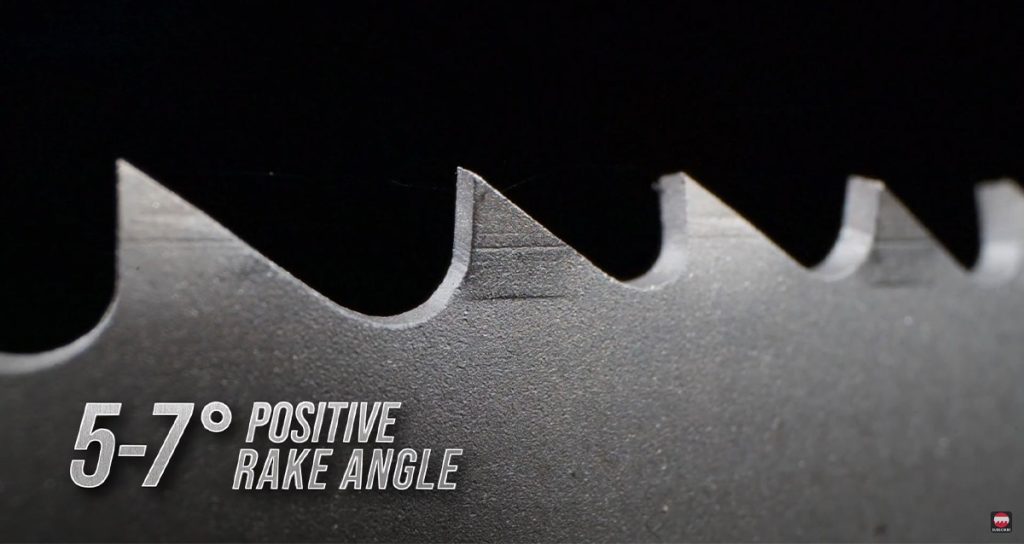
Blade manufacturers design specific tooth geometries to address the challenges of stainless steel cutting. A positive rake angle, typically between 5 and 7 degrees, helps the blade bite into the material rather than rubbing against it. This aggressive approach reduces the work hardening that plagues stainless steel cutting operations. The tooth set pattern also matters, with variable pitch designs helping to reduce vibration and noise while preventing harmonic resonance that can damage both the blade and the workpiece. Ground teeth, as opposed to milled teeth, provide sharper cutting edges and more precise geometry, which improves cut accuracy and surface finish on stainless materials.
M42 Bandsaw Blade Performance Comparison for Stainless Steel
| Factor | M42 Bi-Metal Blade | Carbon Steel Blade | Carbide Tipped Blade |
| Heat Resistance | Excellent up to 1100°F | Poor above 400°F | Superior above 1200°F |
| Initial Cost | Moderate | Low | High |
| Blade Life on Stainless | 3 to 5 times longer than carbon | Baseline | 5 to 10 times longer than carbon |
| Cut Speed Capability | Medium to fast | Slow required | Fast |
| Shock Resistance | Very good | Good | Fair to poor |
| Best Application Range | General stainless cutting | Light duty only | High volume production |
| Flexibility | Excellent | Excellent | Limited |
Selecting the Right TPI for Stainless Steel Applications
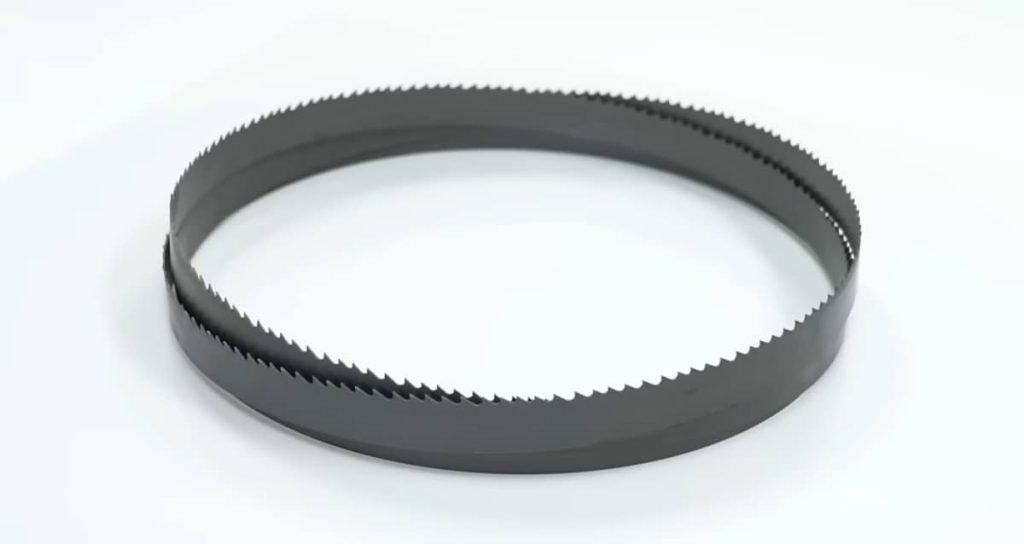
Teeth per inch selection directly affects cutting performance, blade life, and surface finish when working with stainless steel. For solid bars and heavy wall tubing, a coarser pitch between 3 and 6 TPI provides adequate chip clearance and prevents the gullets from loading up with material. Thinner materials like sheet, light gauge tubing, and small diameter rounds require finer pitches in the 10 to 14 TPI range to keep enough teeth engaged in the cut. Variable pitch blades, such as 4/6 or 5/8 configurations, offer versatility for shops cutting mixed material thicknesses and help reduce the vibration common when cutting stainless tubing and structural shapes.
Common Mistakes When Cutting Stainless Steel with M42 Blades
- Running blade speed too fast, which generates excessive heat and accelerates edge breakdown
- Using insufficient coolant flow or the wrong coolant concentration for stainless applications
- Applying too little feed pressure, causing the blade to rub instead of cut and work hardening the surface
- Selecting a TPI that is too fine for the material thickness, leading to chip packing and blade damage
- Failing to break in new blades properly before running at full production speeds
- Ignoring blade tension specifications, which causes tracking problems and uneven tooth wear
- Attempting to cut stainless bundles without proper blade selection and speed adjustments
Feed Rate and Speed Settings for Optimal Results
Getting the best performance from M42 bandsaw blades on stainless steel requires attention to both blade speed and feed pressure. Most stainless grades cut well at speeds between 150 and 250 surface feet per minute, though specific recommendations vary by alloy and hardness. Running slower than you might for carbon steel helps control heat buildup and extends blade life significantly. Feed pressure should be firm and consistent, heavy enough to keep the teeth biting into fresh material rather than sliding across a work hardened surface. Many experienced operators describe the ideal feed as aggressive but controlled, producing curled chips that indicate proper cutting action rather than powder or dust that signals rubbing.
ALSO WORTH READING
Want Better Cuts and Longer-Lasting Blades?
If you’re looking to get the most out of your saw, blade tension is one of the most important factors to get right. Too loose or too tight, and you’ll end up with wandering cuts and blades that wear out before their time. Our guide on “How Proper Blade Tension Improves Cut Accuracy and Blade Life” breaks down exactly how to find that sweet spot for cleaner results and fewer blade replacements.
Benefits of Using M42 Blades for Stainless Steel Work
- Reduced cost per cut compared to carbide blades while still delivering excellent stainless performance
- Consistent cut quality across a wide range of stainless grades from 300 series to precipitation hardening alloys
- Bi-metal construction handles vibration and shock from interrupted cuts through tubing and structural shapes
- Lower blade breakage rates compared to carbide options when cutting variable cross sections
- Compatible with most horizontal and vertical bandsaw machines without special modifications
- Available in a wide variety of widths, lengths, and TPI options for different applications
- Quieter operation than many alternative blade types, particularly on variable pitch designs
How the Qsaw 601 Performs on Stainless Steel
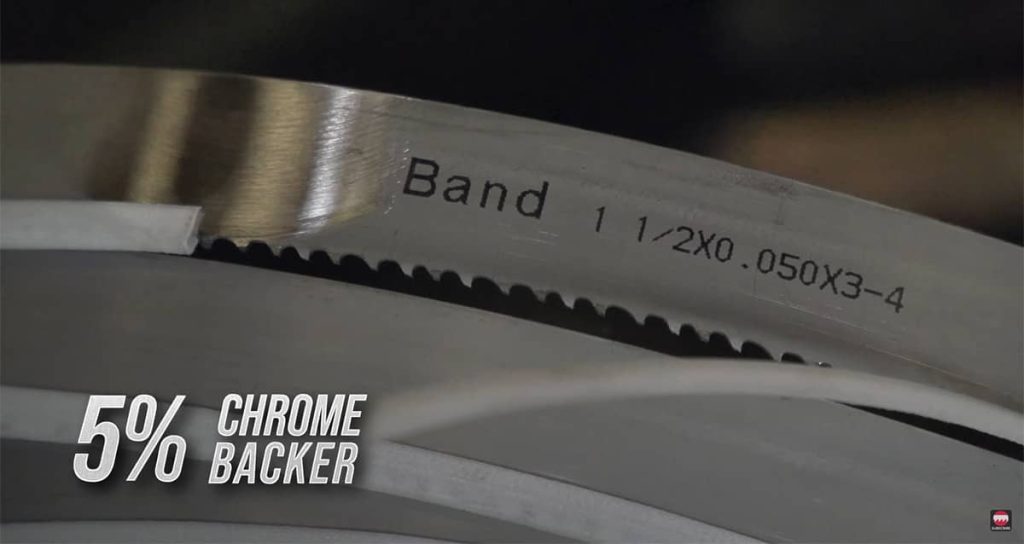
The Qsaw 601 represents a well-engineered example of what modern M42 bandsaw blades can achieve on stainless steel and other demanding materials. Its aggressive ground tooth design with a 5 to 7 degree positive rake helps the blade engage stainless quickly without excessive rubbing. The M42 high-speed steel edge resists the heat, shock, and vibration that stainless cutting generates, while the flexible backing band absorbs impact during interrupted cuts through tubes and structural sections. Users report this blade runs quietly in both vertical and horizontal machines, which indicates good tooth geometry and proper set pattern. For shops cutting a mix of carbon steel, alloy steel, stainless, and tool steel, this type of all-purpose M42 blade eliminates the need for frequent blade changes between materials.
Tips for Extending M42 Blade Life on Stainless Steel
- Break in new blades by running at reduced feed pressure for the first 50 to 100 square inches of cutting
- Use a quality cutting fluid designed for stainless steel, typically a semi-synthetic or full synthetic coolant at proper concentration
- Check blade tension before each shift and adjust according to manufacturer specifications
- Inspect blade guides and bearings regularly since worn components cause blade wander and premature tooth wear
- Clean chip brushes frequently to prevent debris from being carried back into the cut
- Monitor cutting sounds and chip formation to catch problems before blade damage occurs
- Store blades properly when not in use, hanging them or laying them flat to prevent kinks and damage
Making the Right Choice for Your Stainless Cutting Needs
M42 bandsaw blades offer an effective and economical solution for cutting stainless steel across a wide range of applications. They bridge the gap between basic carbon steel blades that cannot handle stainless demands and premium carbide options that may be overkill for many shops. When paired with proper speeds, feeds, and coolant, these bi-metal blades deliver consistent results on everything from 304 stainless round bar to 316 structural tubing. The key lies in matching the blade specifications to your specific materials and following best practices for blade break-in, tension, and cutting parameters. For fabricators and machine shops looking to improve their stainless steel cutting operations without a major equipment investment, upgrading to quality M42 bandsaw blades often provides the best return in terms of cut quality, blade life, and overall efficiency.