A manual bandsaw operates at its best when maintenance is consistent and systematic. Over time, regular use affects blade condition, alignment, and moving components. Proper maintenance helps preserve cutting accuracy, reduces wear on parts, and supports steady performance across a range of cutting tasks.
Why Regular Manual Bandsaw Maintenance Matters
Manual bandsaws depend on correct setup and sound mechanical condition. Unlike automated systems, cutting results rely heavily on stable blade tracking, clean components, and accurate adjustments. Routine inspection and maintenance help prevent uneven cuts, unnecessary blade wear, and interruptions during operation.
Daily Maintenance Tasks for a Manual Bandsaw
Key daily checks include:
-
Removing chips and debris from the table and guide assemblies
-
Inspecting the blade for visible damage or dull teeth
-
Checking blade tension before starting work
-
Verifying guide and bearing contact settings
These actions support consistent cutting behavior and early issue detection.
Blade Condition and Cutting Accuracy
Blade condition has a direct effect on cut quality and feed control. A worn or damaged blade increases cutting resistance and places added load on the saw. Replacing blades when performance declines helps maintain efficiency and reduces strain on mechanical components.
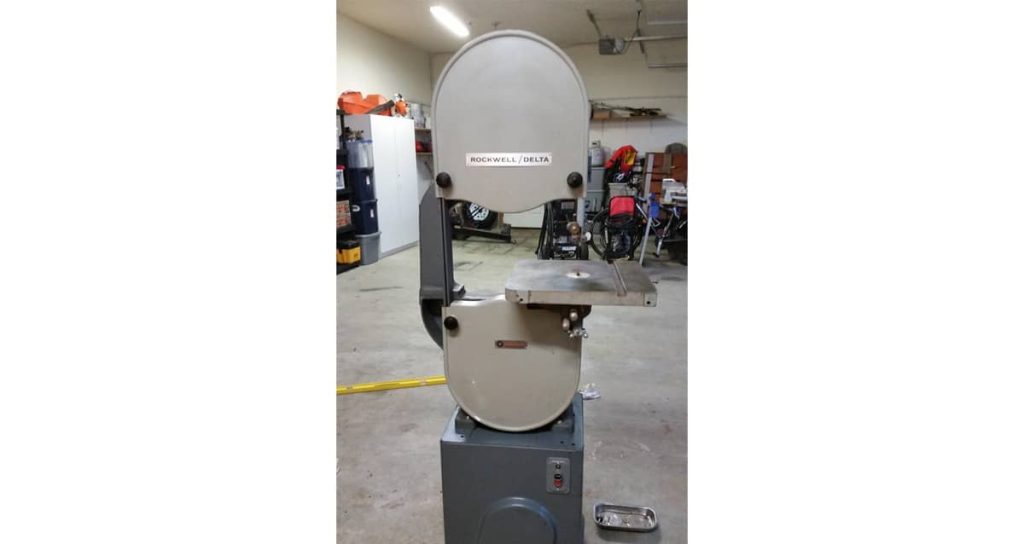
Cleaning the Bandsaw After Use
Regular cleaning prevents buildup that can interfere with blade tracking and guide movement. Chips and residue around the wheels, table, and guides may alter alignment over time. Keeping these areas clean supports smooth operation and predictable blade movement.
Maintenance Intervals for Key Components
| Component | Recommended Check Frequency |
|---|---|
| Blade condition | Daily |
| Blade tension | Before each use |
| Guides and bearings | Weekly |
| Wheels and tires | Monthly |
| Table alignment | Monthly |
Following a consistent schedule helps reduce unexpected performance issues.
Guide and Bearing Adjustment
Guides and bearings should support the blade without applying constant pressure. Incorrect settings can lead to early blade wear or uneven cuts. Proper adjustment allows the blade to move freely while remaining supported during cutting.
Lubrication Points on a Manual Bandsaw
Important lubrication tasks include:
-
Applying light oil to pivot points and moving joints
-
Confirming bearings rotate smoothly without resistance
-
Avoiding lubrication near blade contact areas
Correct lubrication reduces friction and promotes stable movement.
Checking Blade Tracking and Wheel Alignment
Blade tracking should be checked whenever a blade is replaced or cutting performance changes. Wheels that are out of alignment can cause wandering cuts and increased wear. Small adjustments help keep the blade centered and running smoothly.
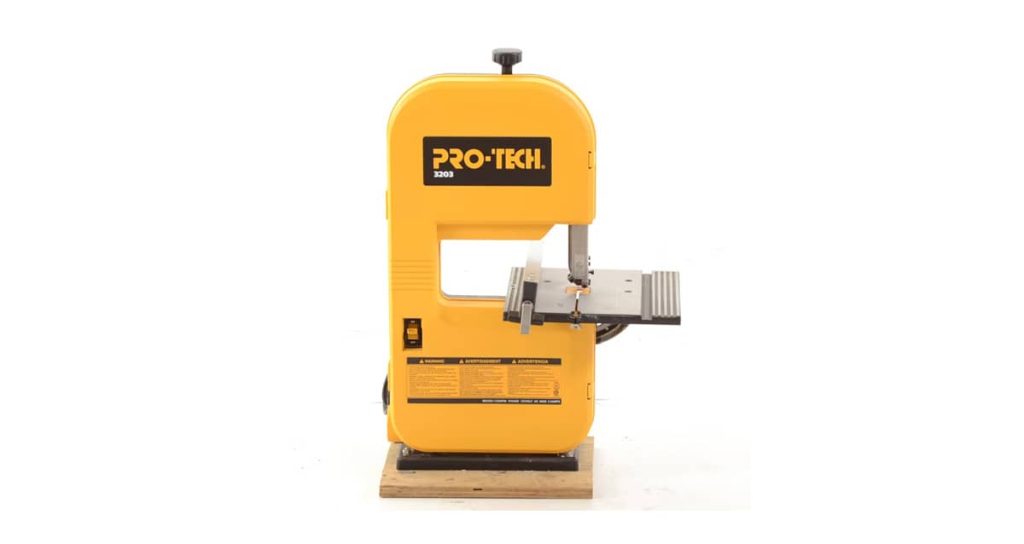
Table Alignment and Squareness
A table that is not square to the blade affects cut accuracy and material consistency. Routine checks using a reliable square help maintain proper table position. Minor adjustments support repeatable results for both straight and angled cuts.
Solve Common Bandsaw Problems in the Workshop
Many cutting issues come from setup, blade condition, or alignment rather than major mechanical faults. Our article, “Frequent Bandsaw Issues and Reliable Solutions for Wood Shops,” reviews the problems most often encountered in workshop use and explains practical ways to restore accurate, stable cutting. It is a useful resource for keeping bandsaws operating smoothly and reducing interruptions during daily work.
Storage and Handling Practices
Proper storage and handling contribute to long-term bandsaw condition:
-
Store spare blades in a dry location to reduce corrosion
-
Release blade tension if the saw will remain unused for extended periods
-
Keep adjustment tools nearby for routine checks
These practices help extend component service life and maintain readiness.
Maintaining a manual bandsaw relies on regular inspection, cleaning, and adjustment rather than complex procedures. By focusing on blade condition, alignment, lubrication, and cleanliness, operators can support efficient cutting performance and limit unnecessary wear over time.