Why Your Blade Choice Makes or Breaks Resawing Results
Resawing thick lumber demands more from your bandsaw blade than any other woodworking operation, and the difference between a good blade and the wrong one becomes painfully obvious after the first few cuts. When you are slicing through an eight-inch hardwood beam to create bookmatched panels or thin veneers, blade selection directly affects cut quality, waste reduction, and how much time you spend correcting drift. Many woodworkers invest heavily in quality bandsaws but overlook the blade, which is the actual component doing the work. The right bandsaw blade for resawing will track straight, clear sawdust efficiently, resist heat buildup, and maintain sharpness through extended cuts. Understanding what separates a capable resaw blade from a general-purpose option will save you material, money, and frustration in your shop.
Key Characteristics That Define a Quality Resaw Blade
- Blade width of at least half an inch, with three-quarter inch or wider preferred for thick stock
- Tooth pitch between 2 and 4 TPI for aggressive chip removal and reduced heat in dense material
- Hook tooth or skip tooth geometry to prevent clogging in deep cuts
- Sufficient blade tension capacity to match your bandsaw specifications
- Spring-tempered or hard-back construction for tracking stability
- Proper set pattern to create adequate kerf clearance without excessive waste
Understanding Tooth Pitch for Different Lumber Thicknesses
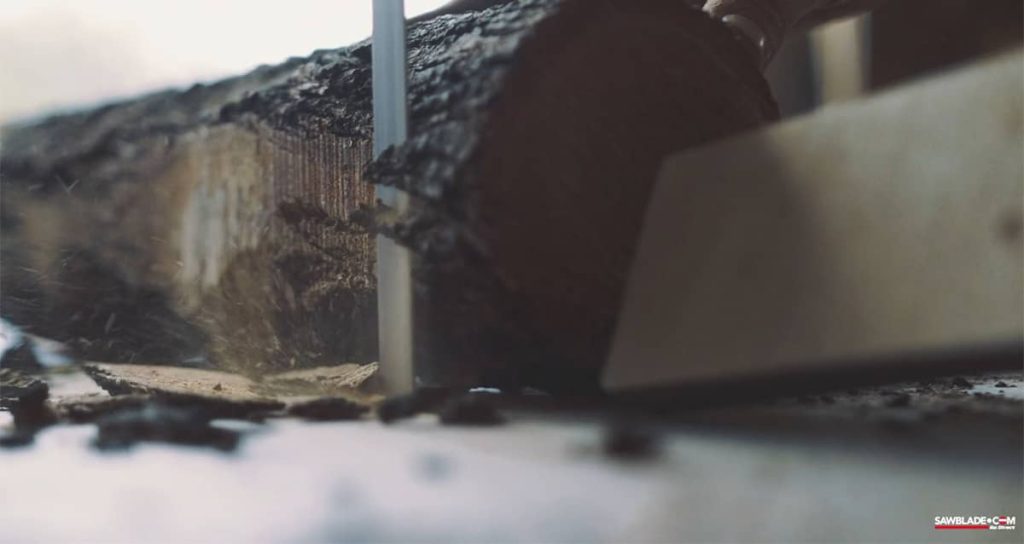
Tooth pitch selection becomes increasingly important as lumber thickness increases because the wrong pitch creates problems that compound throughout the cut. For stock between four and eight inches thick, a 3 TPI blade typically offers the best balance between cut speed and surface quality. Coarser pitches like 2 TPI excel in softwoods and resinous species where chip evacuation needs to happen quickly, while a 4 TPI blade works better for dense hardwoods where you want slightly smoother surfaces. The general rule is to maintain at least three teeth in contact with the workpiece at all times, but during resawing you often prioritize gullet capacity over tooth contact because sawdust buildup causes blade drift and burning faster than too few teeth in the cut.
Flex Back Versus Hard Back Blades for Resaw Applications
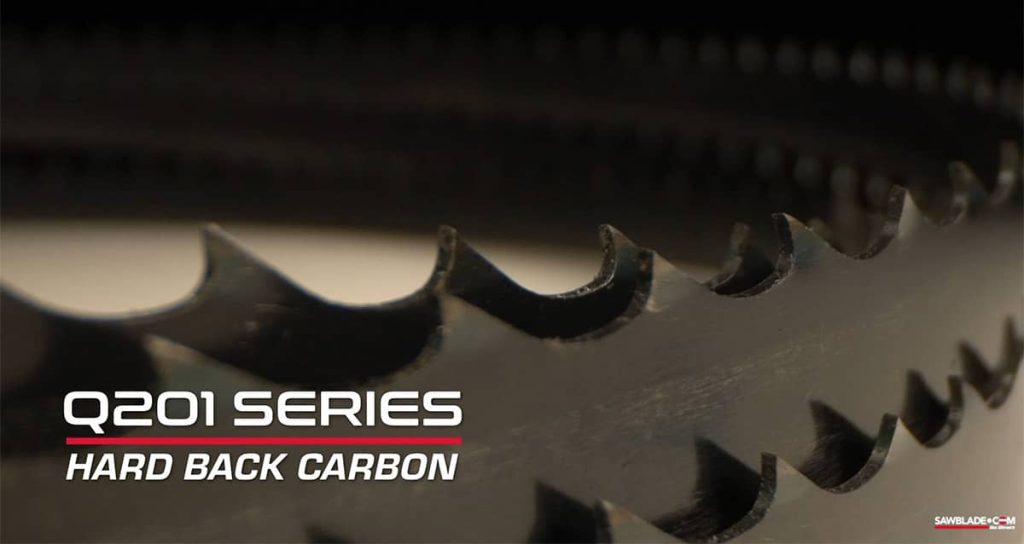
The debate between flex back and hard back bandsaw blades for resawing comes down to your specific equipment and cutting priorities. Flex back blades, like the Qsaw 101, handle the continuous bending around bandsaw wheels with less fatigue, making them reliable choices for smaller wheels and extended use without cracking. Hard back blades such as the Qsaw 201 offer increased rigidity that translates directly to straighter cuts with less drift, which matters when you are trying to produce consistent thickness across long boards. For dedicated resaw work on machines with larger wheels, hard back construction generally delivers better accuracy. However, flex back designs prove more forgiving on benchtop and smaller floor-standing bandsaws where wheel diameter creates more severe blade stress.
Blade Material Comparison for Resawing Performance
| Blade Material | Best Use Case | Expected Lifespan | Heat Resistance | Cost Level |
| Carbon Steel Flex Back | General resawing in softwoods | Moderate | Low | Budget-friendly |
| Carbon Steel Hard Back | Accurate resawing in home shops | Moderate to Good | Low to Moderate | Affordable |
| Bi-Metal (HSS edge) | Heavy hardwood resawing | Extended | High | Mid-range |
| Carbide Tipped | Abrasive or exotic woods | Very Long | Very High | Premium |
Why Bi-Metal Blades Excel in Demanding Resaw Work
Bi-metal bandsaw blades represent a significant step up for woodworkers who resaw frequently or process particularly demanding species. The Qsaw 906 Bi-Metal blade combines a high-speed steel cutting edge with a flexible spring-steel back, creating a blade that resists the heat and stress of extended resawing while maintaining tracking stability. This construction keeps teeth sharper significantly longer than carbon steel alternatives, which means fewer blade changes and more consistent cut quality throughout a project. The spring-steel back absorbs vibration effectively, resulting in quieter operation and smoother surfaces that require less cleanup. For anyone running a small sawmill operation or regularly processing rough lumber into usable stock, bi-metal construction offers the best balance between performance and value over time.
Practical Tips for Extending Resaw Blade Life
- Allow blades to cool between extended cuts by taking brief pauses during heavy resawing sessions
- Clean pitch and resin buildup from teeth using a brass brush and appropriate solvent
- Verify blade tension before each resawing session using your bandsaw manufacturer guidelines
- Replace guide blocks or bearings before they wear enough to cause blade wander
- Store blades hanging or coiled properly to prevent kinks and flat spots
- Match blade width to your bandsaw capacity without exceeding maximum specifications
- Use appropriate feed rates rather than forcing material through faster than the blade can clear
Matching Blade Selection to Wood Species
Different wood species create distinct challenges during resawing, and bandsaw blades for wood perform differently depending on what you are cutting. Dense hardwoods like maple, oak, and hickory generate substantial heat and require blades with excellent heat resistance and sharp tooth geometry to prevent burning. Softwoods and resinous species like pine and cedar cut faster but produce sticky buildup that clogs gullets and causes tracking problems if pitch accumulates. Exotic woods with interlocked grain or silica content wear teeth quickly and often justify the investment in bi-metal or carbide options. Knowing your primary species helps narrow blade selection considerably, and many shops keep multiple blades on hand for different material types rather than searching for one universal solution.
ALSO WORTH READING
New to Using a Bandsaw?
If you’re just getting started with this versatile tool, taking time to learn proper safety habits can save you from frustrating mistakes and potential injuries. Our guide on Beginner Bandsaw Safety: Common Mistakes and Smart Shop Tips walks you through the essential precautions every new woodworker should know. It covers everything from blade selection to hand placement, helping you build confidence at the bandsaw while keeping all your fingers intact.
Signs Your Current Resaw Blade Needs Replacement
- Consistent drift requiring constant steering pressure regardless of guide adjustments
- Burn marks on cut surfaces even at reduced feed rates
- Visible tooth damage, missing set, or rounded cutting edges
- Increased cutting noise or vibration compared to when the blade was new
- Sawdust becoming fine powder rather than distinct chips
- Blade tracking problems that persist after proper tensioning
- Longer cutting times for the same material and thickness
Setting Up Your Bandsaw for Optimal Resaw Performance
Before blaming your blade for poor resaw results, proper machine setup deserves attention because even the best bandsaw blade for resawing will underperform on a poorly adjusted saw. Start by verifying that wheels are coplanar and that tracking adjustments place the blade consistently on the wheel crowns. Tension the blade according to manufacturer specifications, then check that upper and lower guides support the blade adequately without pinching or causing excessive friction. The fence or resaw guide must align perfectly parallel to the blade path, not the miter slot, since many bandsaws have slight variations between these references. Taking time to tune your machine before installing a new resaw blade ensures you actually experience the performance that blade is capable of delivering.
Common Resaw Blade Mistakes to Avoid
- Using a blade narrower than your bandsaw can properly support for resaw operations
- Selecting too fine a tooth pitch that causes overheating and premature dulling
- Running insufficient blade tension that allows wandering and inconsistent thickness
- Ignoring guide wear that compromises blade stability during cuts
- Forcing feed rates faster than chip evacuation capacity allows
- Continuing to use dull blades rather than replacing them before quality suffers
Finding the Right Blade for Your Resawing Needs
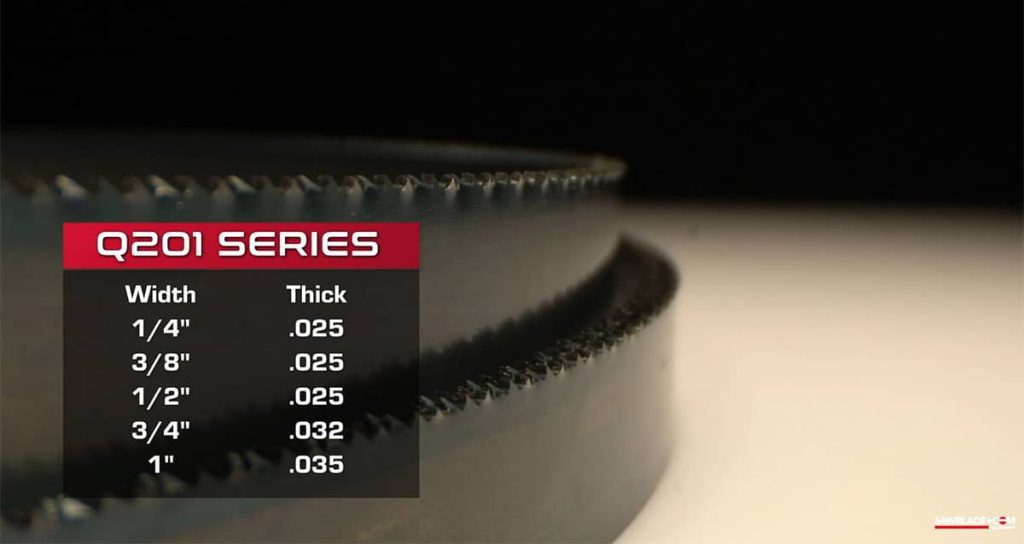
Selecting the ideal bandsaw blade for resawing thick lumber requires balancing your specific equipment capabilities, the species you cut most often, and how frequently you perform resaw operations. Occasional resawing in a home shop environment might call for an economical carbon steel option like the Qsaw 201 Hard Back, which delivers accurate cuts and strong value without significant investment. Woodworkers who resaw regularly or process challenging hardwoods benefit from stepping up to bi-metal construction where the extended lifespan and consistent performance justify the higher initial cost. Whatever your situation, investing in a quality bandsaw blade designed specifically for resawing rather than adapting a general-purpose blade will improve your results immediately. Take time to match blade specifications to your bandsaw capacity, choose the appropriate tooth pitch for your typical lumber thickness, and maintain proper setup practices to get the most from every blade you install.