Why the Ryobi BS902 Still Gets Attention
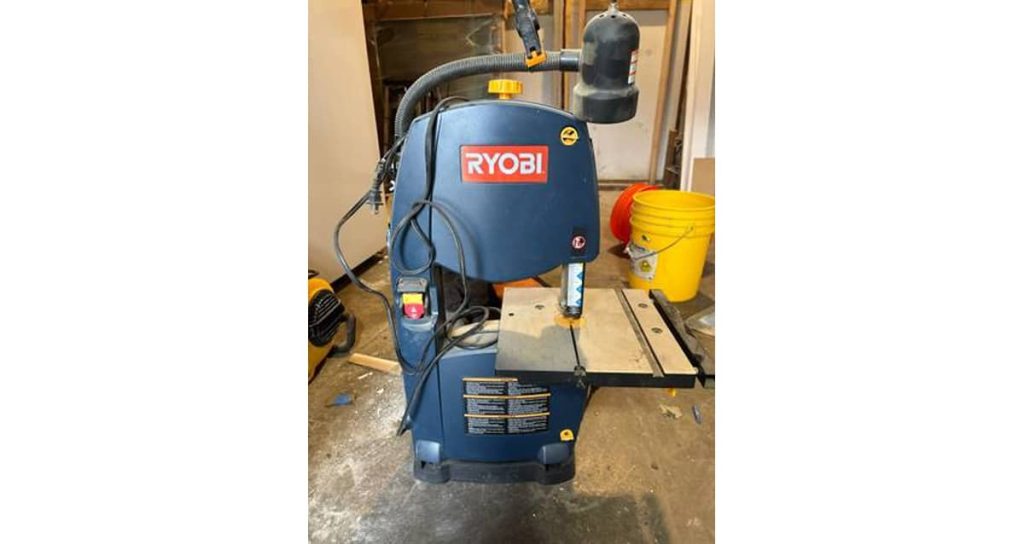
The Ryobi BS902 remains a familiar small-shop bandsaw because it is compact, affordable, and simple to use for light curve work, hobby projects, and basic wood cutting. It is not built for large resaw work, but many owners keep it running for years with the right blade, a clean setup, and a few replacement parts when needed. That is why a useful Ryobi BS902 guide usually starts with the same points: where to find the manual, what blade size fits, which parts wear first, and what to check when the saw starts cutting poorly. Most BS902 issues are manageable once you know where to look.
The First Ryobi BS902 Details to Check
• Confirm you have the correct Ryobi BS902 manual for setup and parts reference
• Check blade length and width before ordering replacements
• Inspect tires, guides, and thrust bearings for wear
• Make sure the table is square to the blade
• Check tracking and blade tension before blaming the motor
• Clean packed sawdust from the lower housing and wheel area
Why the Manual Matters More Than Most Owners Expect
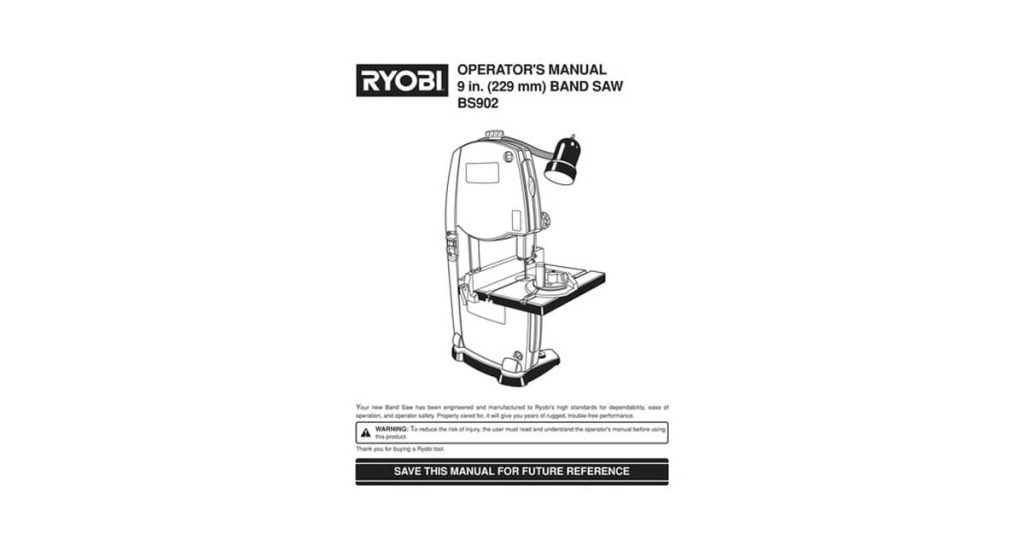
A Ryobi BS902 manual is more helpful than many owners expect, especially when the saw was bought used or adjusted by someone else first. The manual helps with blade installation, tracking, tension setup, parts diagrams, and basic adjustment points. On a smaller saw like the BS902, even a small setup mistake can affect cut quality quickly, so having the original reference saves time. It also helps when ordering Ryobi BS902 parts, since part names and locations can be confusing if you are working from memory or a rough online photo. In many cases, the manual answers simple setup questions before the saw ever needs deeper repair work.
Blade Size Is One of the Most Important Details
Getting the Ryobi BS902 blade size right matters more than many first-time owners realize. A blade that is the wrong length will not tension properly, and the wrong width can make the saw feel unstable on tighter curves or smaller detail cuts. Since this model is usually used for lighter work, blade choice has a big effect on performance. A narrower blade is better for tighter curves, while a slightly wider blade is better for straighter or gently curved cuts. Before changing guides or tracking too much, it is always worth confirming that the installed blade actually matches the saw. That one check often solves more than expected.
Ryobi BS902 Quick Reference Table
| Item | Ryobi BS902 Detail | Why It Matters |
|---|---|---|
| Manual | Use the correct BS902 owner’s manual | Helps with setup, parts ID, and adjustments |
| Blade size | Confirm correct blade length and width before buying | Prevents tension and tracking problems |
| Common wear parts | Tires, guides, bearings, blade, switch | These are often the first items needing attention |
| Frequent issue | Blade drift or poor tracking | Usually tied to setup, blade condition, or guides |
| Best use | Light shop work and curve cutting | Keeps expectations realistic for the saw’s size |
The Parts That Usually Need Attention First
Most Ryobi BS902 parts issues begin in familiar places. Blade guides wear down, tires harden, blades get dull, and thrust bearings can stop moving as smoothly as they should. On older saws, the switch, belt, or table lock hardware may also need attention. Because this is a compact saw, even small wear can show up in the cut fairly quickly. A blade that wanders or chatters is often a sign that one worn part is affecting the rest of the setup. That is why replacing a few low-cost Ryobi BS902 parts can often make the saw feel much better without turning into a larger repair job.
Find Free Bandsaw Manuals at Bandsawmanuals.com
If you need the Ryobi BS902 manual, or want to look up manuals for many other bandsaw models, visit Bandsawmanuals.com. It is a useful place to access free manuals that can help with setup, blade changes, parts identification, and basic adjustments. Reading the correct manual before making changes to your saw can save time, reduce guesswork, and make common fixes much easier to handle.
Common Ryobi BS902 Fixes to Check First
• Replace a dull or damaged blade before changing multiple settings
• Reset blade tracking if the blade rides too far forward or back
• Re-square the table if cuts are no longer true
• Clean the wheels and lower housing if sawdust is packed inside
• Inspect guide blocks and thrust bearing for wear
• Check the power switch and cord if the saw is inconsistent to start
Why Tracking and Tension Solve Many Problems
On the Ryobi BS902, tracking and tension are often the first useful fixes when the saw starts acting differently. If tension is too loose, the blade can wander, slip, or cut poorly. If tracking is off, the blade may ride badly on the wheels and become harder to control. Many owners begin changing blades, guides, and table settings when the real issue is simply an incorrect blade path. A careful reset of blade tracking and tension often improves the saw faster than anything else. On a smaller bandsaw, those two adjustments have a larger effect than many users expect, especially when the blade and guides are still in decent condition.
Signs Your Ryobi BS902 May Need Parts or Adjustment
• Blade begins drifting during normal cuts
• Saw makes more vibration than usual
• Blade will not stay tracked on the wheels
• Guides or bearings look worn or stuck
• Switch becomes unreliable or hard to use
• Table no longer stays square during work
Don’t Ignore Cleanup and Basic Maintenance
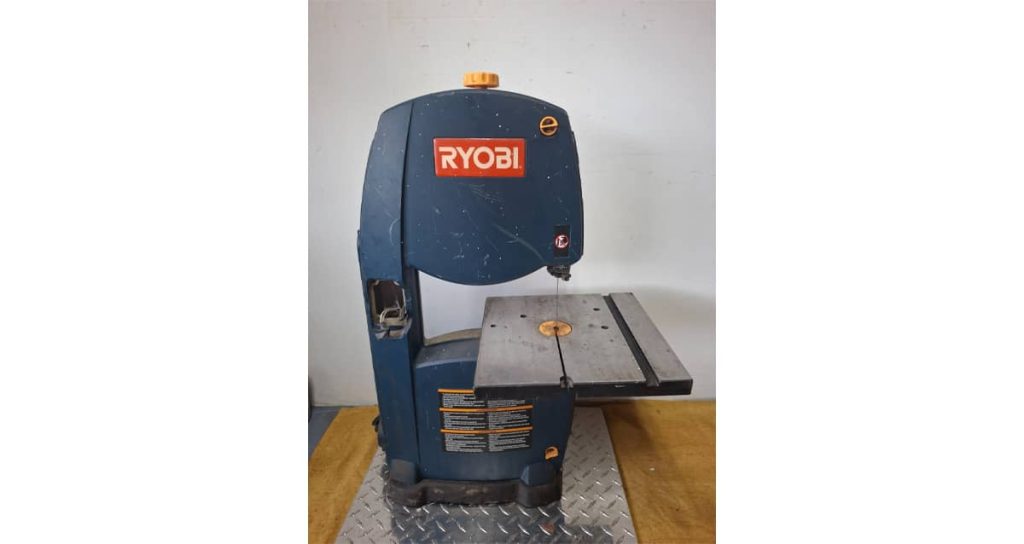
A Ryobi BS902 does not need difficult maintenance, but it does need regular cleanup. Fine sawdust builds up around the lower wheel, guides, and blade path faster than many owners expect. When that happens, tracking can feel less steady and small adjustments become harder to judge. Keeping the saw clean also makes it easier to inspect parts before wear becomes a bigger problem. Wipe the table, clear the housing, check the blade, and look over the tires and guides from time to time. That simple routine usually prevents many of the common fixes people end up chasing later, especially on a smaller saw used often for hobby work.
Also Read: Delta 14″ Bandsaw Setup Guide: Smart Upgrades, Common Fixes, and Tune-Up Ideas
If you are also comparing larger shop bandsaws, our Delta 14″ Bandsaw Setup Guide: Smart Upgrades, Common Fixes, and Tune-Up Ideas is a useful next read. It looks at the setup changes, upgrade options, and common fixes that can make a bigger cast-iron bandsaw cut more smoothly and consistently. Reading it alongside this Ryobi BS902 guide can help you see how maintenance, blade setup, and tuning priorities change between a compact hobby saw and a more traditional shop machine.
A Simple Ryobi BS902 Care Routine
• Clean the wheel area and housing after heavy use
• Check blade condition before starting a new project
• Recheck tracking after blade changes
• Inspect guides, tires, and bearings for wear
• Keep the table square to the blade
• Use the manual when ordering replacement parts
A Good Place to Leave It
The Ryobi BS902 works best when you keep expectations realistic and stay on top of the basics. A correct manual, the right blade size, a few good replacement parts, and simple adjustments usually make more difference than people expect on a saw this size. Start with the blade, tracking, tension, guides, and cleanup before assuming the saw has a serious fault. Most Ryobi BS902 problems come from a small group of wear points and setup issues. Once those are handled, the saw is usually much easier to use for the light cutting tasks it was built for, and much less frustrating to keep in service.