Understanding the Function of Eccentric Posts in Bandsaw Guides
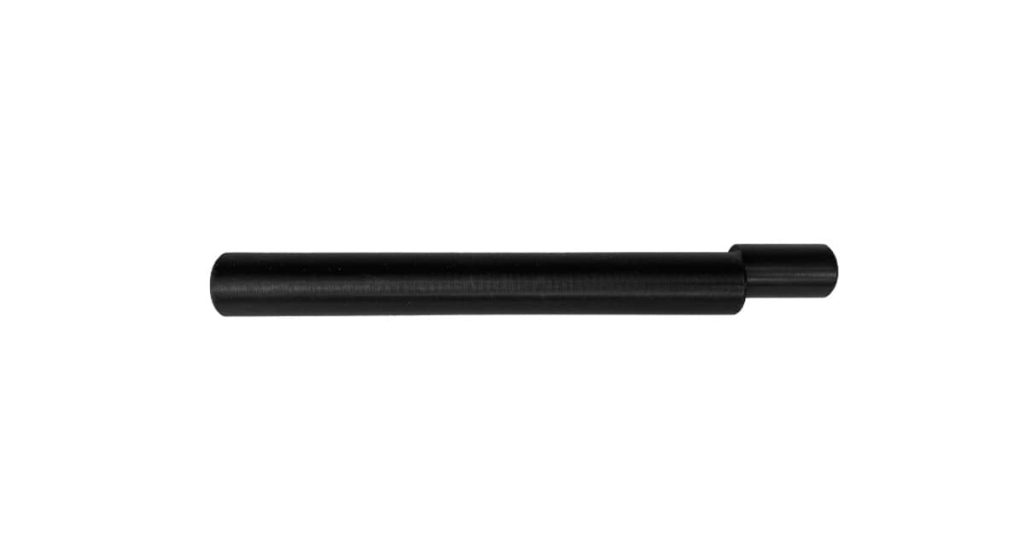
Eccentric posts are adjustment features used on many modern bandsaw guide systems to manage lateral positioning of the guides. Unlike straight mounting posts, an eccentric post rotates on an offset center, allowing the guide housing to shift slightly from side to side. This movement supports accurate positioning of side guides and thrust bearings around the blade body, helping maintain proper guide alignment during operation.
Why Eccentric Post Setup Affects Bandsaw Performance
Correct setup of an eccentric post influences several areas of bandsaw operation:
-
Keeps guide assemblies aligned with blade tracking
-
Maintains balanced spacing at the side guides
-
Limits side loading on the blade during cutting
-
Supports stable blade behavior during resaw work
-
Helps reduce unnecessary wear on guides and blades
Small alignment changes at the guides can impact cutting behavior along the entire blade length.
Common Installations Using Eccentric Posts
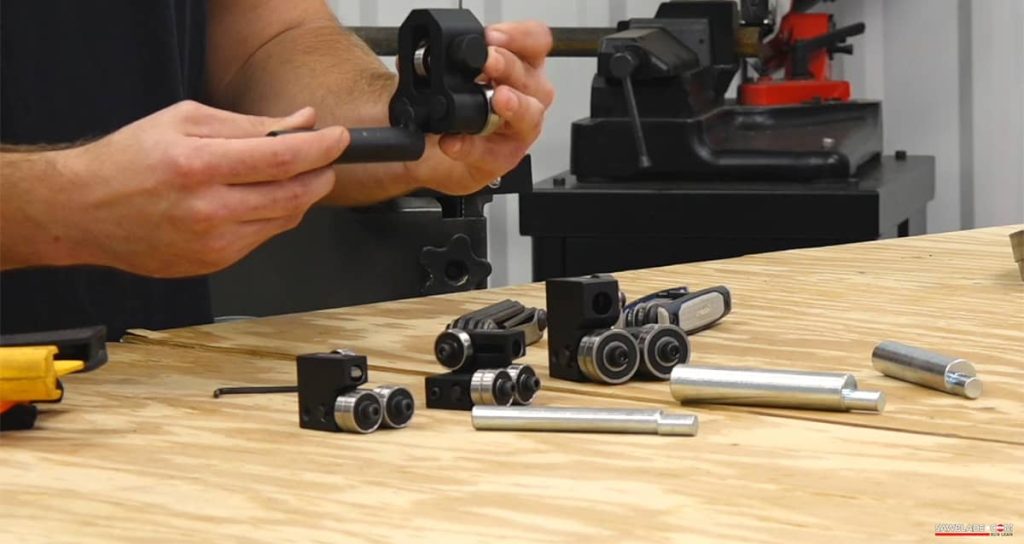
Eccentric posts are most often found on aftermarket or upgraded bandsaw guide assemblies. These systems are frequently installed when replacing original block-style guides. Both upper and lower guide assemblies may use eccentric posts, allowing coordinated alignment above and below the table for consistent blade support.
How Eccentric Post Movement Controls Guide Position
The defining feature of an eccentric post is its off-center mounting hole. When the post is rotated, the guide housing moves in a controlled arc rather than a straight line. This allows gradual positioning without forcing components. Because the adjustment path is circular, very small changes can be made, supporting accurate guide placement without uneven contact.
Guide Settings Influenced by Eccentric Post Adjustment
| Guide Component | Setup Objective | Typical Clearance |
|---|---|---|
| Side guides | Equal spacing on both sides of blade | .003″–.005″ |
| Thrust bearing | Located behind blade back | ~.005″ |
| Guide housing | Centered on blade body | No tooth contact |
| Upper and lower guides | Matching alignment | Same spacing top and bottom |
Maintaining uniform spacing across these elements supports predictable blade tracking during cutting.
General Process for Adjusting an Eccentric Post
Blade installation and proper tensioning should be completed before making eccentric post adjustments. Power should always be disconnected before mechanical work begins. After loosening the guide housing, the eccentric post can be rotated slowly while observing guide movement relative to the blade. Final positioning should allow the blade to run freely with no continuous guide contact.
Common Adjustment Errors to Avoid
Several issues may arise if eccentric post setup is rushed or incomplete:
-
Securing the guide housing before final positioning
-
Allowing one side guide to contact the blade while the other remains open
-
Adjusting guides with a worn or uneven blade
-
Failing to align lower guides
-
Skipping alignment checks after blade changes
Each of these can contribute to unstable tracking or inconsistent cut results.
Confirming Guide Alignment After Setup
Once the eccentric post is set, the blade should be rotated by hand to ensure smooth travel through the guides. A brief test cut in scrap material helps confirm stability and alignment. Any unusual noise or resistance may indicate that spacing needs further refinement.
Periodic Inspection and Readjustment
Guide alignment should be reviewed periodically, particularly after blade replacement or extended use. Vibration and repeated adjustments can cause eccentric posts to shift slightly over time. Routine inspection helps ensure the guide housing remains secure and correctly positioned.
Signs That an Eccentric Post Requires Service
-
Guide housing does not remain fixed after tightening
-
Rotation feels rough or inconsistent
-
Excess movement persists after adjustment
-
Guide spacing changes during cutting
In these situations, inspection or replacement of the eccentric post or guide assembly may be required.
Final Summary
Proper adjustment of eccentric posts plays a key role in bandsaw guide setup and blade alignment. By allowing controlled lateral movement of the guide housing, eccentric posts support accurate side guide spacing and correct thrust bearing placement. When adjusted carefully and checked regularly, they help maintain consistent cutting performance while limiting unnecessary blade stress across a wide range of bandsaw operations.