Understanding Manual and Automatic Bandsaws
Manual and automatic bandsaws are both common in metalworking operations, but they differ in how material is fed, clamped, and cut. Manual bandsaws depend on direct operator input to control the cutting process, while automatic bandsaws rely on hydraulic or programmed systems to manage feed and cycle timing. Recognizing these differences helps shops match equipment to production volume, staffing levels, and workflow needs.
Key Differences Between Manual and Automatic Bandsaws
-
Manual bandsaws rely on operator control for feed rate and clamping
-
Automatic bandsaws control feed, clamping, and cutting cycles automatically
-
Manual machines are well suited for varied or short-run cutting tasks
-
Automatic machines support repeatable cuts and steady output
-
Operator involvement differs significantly between the two machine types
Manual Bandsaws in Shop Environments
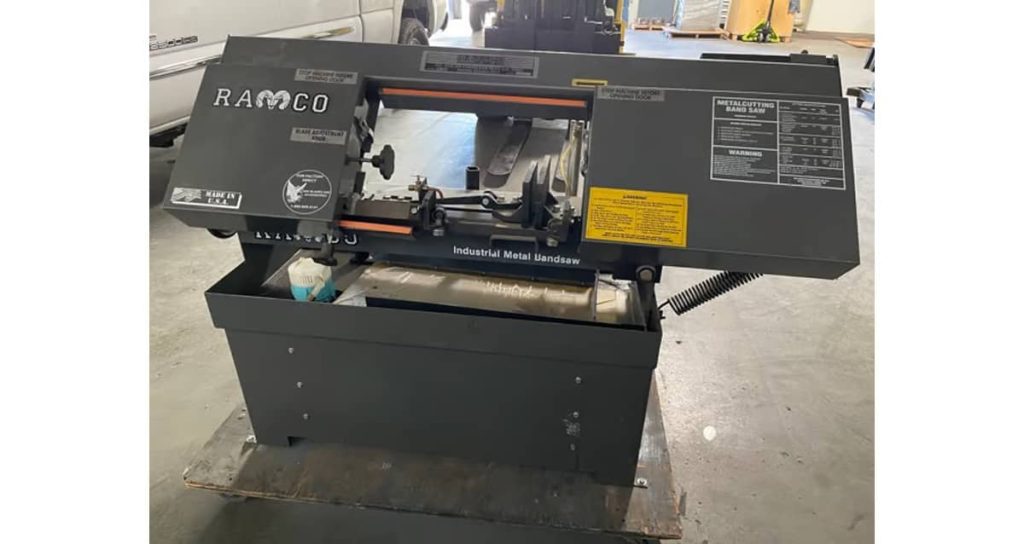
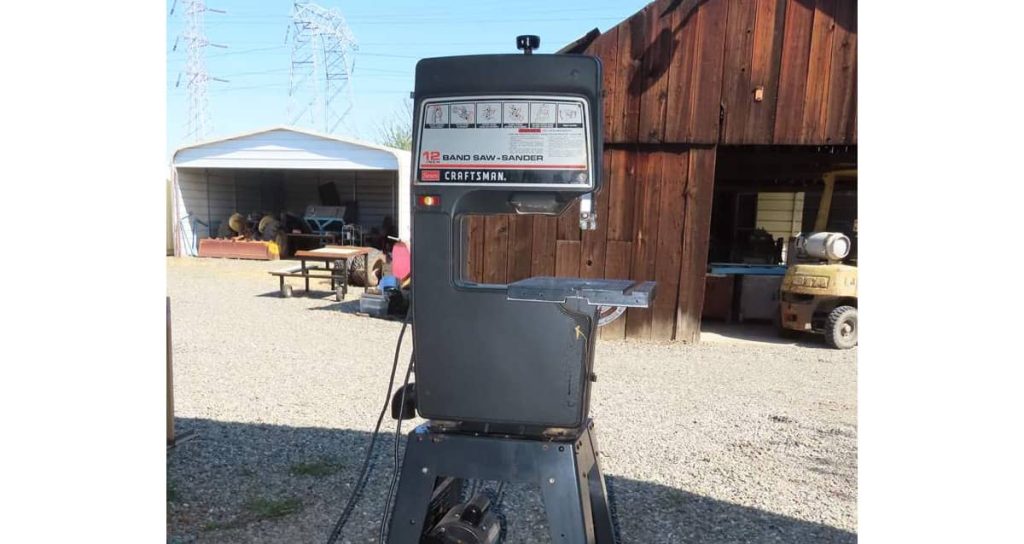
Manual bandsaws remain widely used in maintenance departments, small fabrication shops, and training facilities. Machines such as the Sears Craftsman 12-inch bandsaw and the Ramco RS-90P Bandsaw allow operators to adjust blade speed, cutting pressure, and material positioning directly. This hands-on control supports flexibility when working with mixed materials or frequently changing job requirements.
Automatic Bandsaws in Production Settings
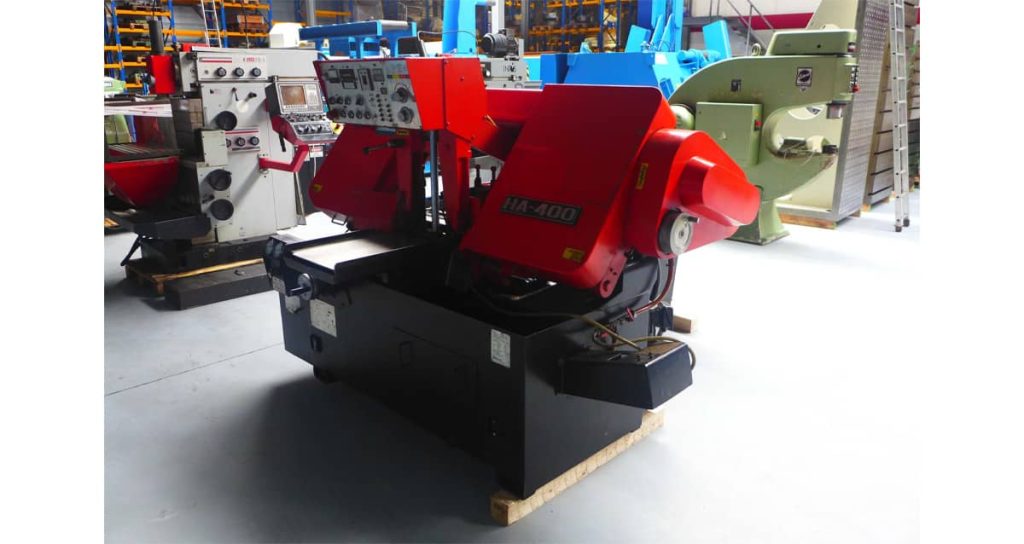
Automatic bandsaws are designed to manage higher workloads with reduced operator input. Models like the Amada HA400 and Hyd-Mech H12A use hydraulic feed systems and programmable controls to maintain stable cutting conditions throughout each cycle. These machines are often integrated into production environments where consistent results and reduced handling time are priorities.
Manual vs Automatic Bandsaw Comparison
| Feature | Manual Bandsaws | Automatic Bandsaws |
|---|---|---|
| Feed control | Operator controlled | Hydraulic or programmed |
| Setup flexibility | High | Moderate |
| Production volume | Low to moderate | Moderate to high |
| Operator involvement | Continuous | Limited after setup |
| Typical examples | Ramco RS-90P, Craftsman 12-inch | Amada HA400, Hyd-Mech H12A |
Cost and Ownership Considerations
Manual bandsaws generally have lower purchase costs and simpler mechanical systems. This makes routine maintenance and adjustments easier using standard shop tools. Automatic bandsaws require a higher initial investment, but their ability to maintain steady output and reduce operator involvement can offset costs over time in production-focused operations.
Advantages of Manual Bandsaws
-
Lower upfront equipment cost
-
Greater flexibility for varied materials and job types
-
Straightforward mechanical construction
-
Easier adjustments and maintenance
-
Suitable for intermittent or short-run cutting
Advantages of Automatic Bandsaws
Automatic bandsaws focus on consistent cutting performance and reduced operator workload. Once programmed, they can complete multiple cutting cycles with minimal supervision, supporting steady output in production environments.
Operational Limitations to Consider
-
Manual bandsaws depend heavily on operator consistency
-
Automatic bandsaws require familiarity with programming and controls
-
Setup time may increase for complex or varied jobs
-
Space and power needs vary based on machine size
Guide Setup for Multiple Blade Widths
For readers who regularly change blade sizes, we recommend reviewing “Setting Bandsaw Guides for Multiple Blade Width Applications.” This article explains how guide positioning, thrust bearing spacing, and tracking adjustments change with blade width, helping support stable blade control and consistent cutting results across different setups.
Choosing the Right Bandsaw for Your Operation
-
Review daily cutting volume requirements
-
Consider operator availability and skill level
-
Evaluate material sizes and profiles
-
Account for available floor space
-
Balance equipment cost with long-term production needs
Manual and automatic bandsaws each serve specific roles in metalworking operations. Manual machines such as the Ramco RS-90P and Craftsman 12-inch bandsaw offer adaptability and direct operator control, while automatic options like the Amada HA400 and Hyd-Mech H12A support consistent output with reduced handling. Selecting the right bandsaw depends on production demands, staffing considerations, and long-term operational planning.