How Tight Curve Cutting Works on a Bandsaw
Cutting tight curves on a bandsaw requires a blade that can change direction smoothly without drifting or grabbing. Blade width, blade flexibility, and tooth layout all affect how accurately the blade follows curved cutting lines. Selecting the correct blade helps maintain steady control and improves curve quality across different cutting tasks.
Reasons Blade Choice Affects Curve Accuracy
-
Narrow blades allow sharper directional changes
-
Flexible blade backs reduce resistance while turning
-
Proper tooth spacing supports clean chip removal
-
Suitable blade selection improves cutting stability
Relationship Between Blade Width and Curve Radius
Blade width directly limits the smallest curve radius a bandsaw can follow. Narrow blades encounter less side pressure when turning, which helps them track tighter curves without twisting. Wider blades resist bending and are better suited for straight cuts or broad curves.

Blade Back Design and Controlled Bending
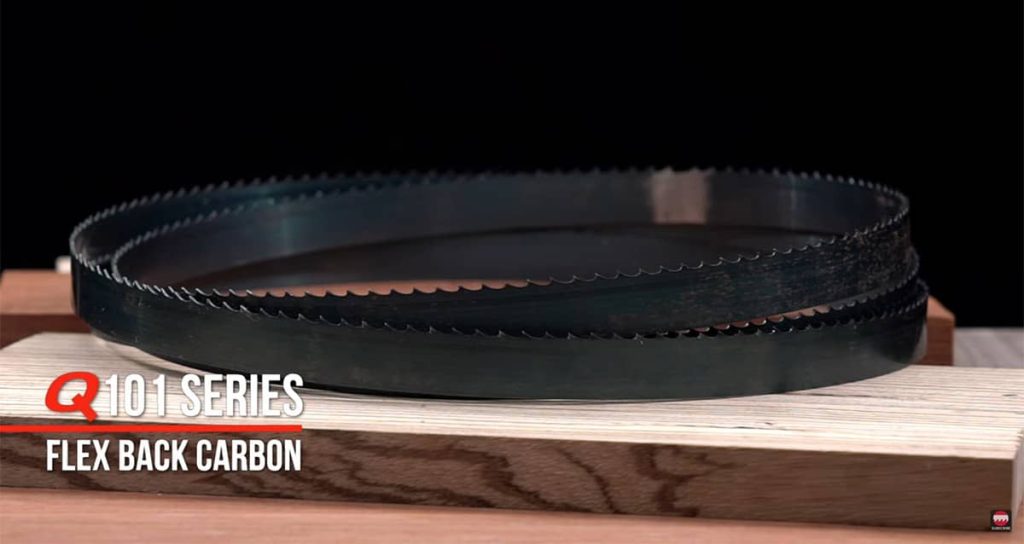
The structure of the blade back influences how it responds to tension during curved cutting. Flex-back carbon blades feature a softer spine that allows controlled bending while maintaining durable teeth. This design supports curved cutting without sacrificing blade strength.
Blade Styles Commonly Used for Curved Cutting
| Blade Type | Key Characteristics | Best Use |
|---|---|---|
| Flex-Back Carbon | Flexible back with hardened teeth | Tight curves in wood |
| Thin-Kerf Blades | Reduced blade thickness | Small wheels and light-duty saws |
| Portable Bandsaw Blades | Balanced flexibility and durability | Mobile cutting tasks |
Tooth Layout and Curve Cutting Results
Tooth layout affects how efficiently material clears from the cut during curve work. Moderately spaced teeth help reduce friction and limit binding by allowing chips to exit the cut more easily. Choosing the right teeth-per-inch range helps maintain smooth feed and consistent cut quality.
Blade Width Options for Tight Curve Cutting
-
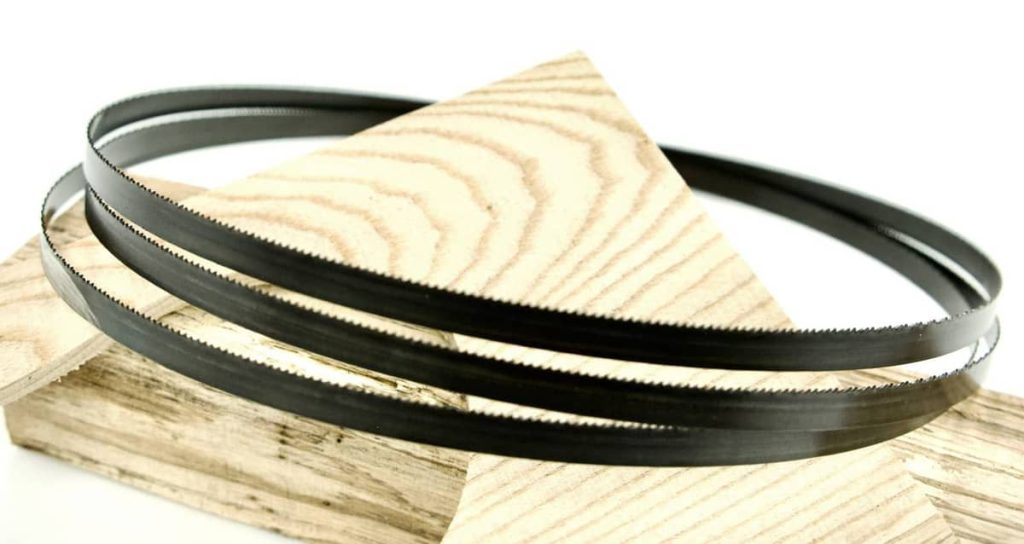
1/8″ blades for most small-radius curves
-
Narrower blades where saw limits permit
-
Thin-kerf blades for compact or portable bandsaws
Setup Practices for Narrow Bandsaw Blades
Correct setup becomes more important as blade width decreases. Blade tracking should be centered on the wheels, and tension must follow the blade manufacturer’s recommendations. Proper setup helps narrow blades maintain their path through curved cuts.
Guide Setup for Improved Blade Control
-
Position guides close to the cutting zone
-
Ensure guides support the blade without restricting movement
-
Confirm alignment to limit side-to-side blade motion
Feed Control During Tight Curve Cutting
Consistent feed control supports stable blade tracking during curved cuts. Slowing feed slightly on tighter curves reduces blade deflection, while steady pressure helps prevent uneven edges. Controlled feeding improves reliability when working with narrow blades.
Reduce Blade Failure with Proper Guide Alignment
To learn more about extending bandsaw blade service time, we encourage you to read “Avoiding Premature Bandsaw Blade Failure with Proper Guide Alignment.” This article explains how accurate guide alignment supports stable blade tracking, reduces unnecessary stress, and helps maintain consistent cutting performance.
Additional Methods for Better Curve Quality
-
Use relief cuts to remove excess material
-
Keep blades clean to reduce drag
-
Replace worn blades rather than over-adjusting
Effective tight curve cutting on a bandsaw depends on selecting the proper blade and setting it up correctly. Narrow, flexible blades paired with accurate guide positioning and controlled feed rates support consistent curved cutting results. Matching blade features to the cutting task helps achieve smoother curves and improved accuracy.