Getting to Know the Hitachi CB6Y Band Saw
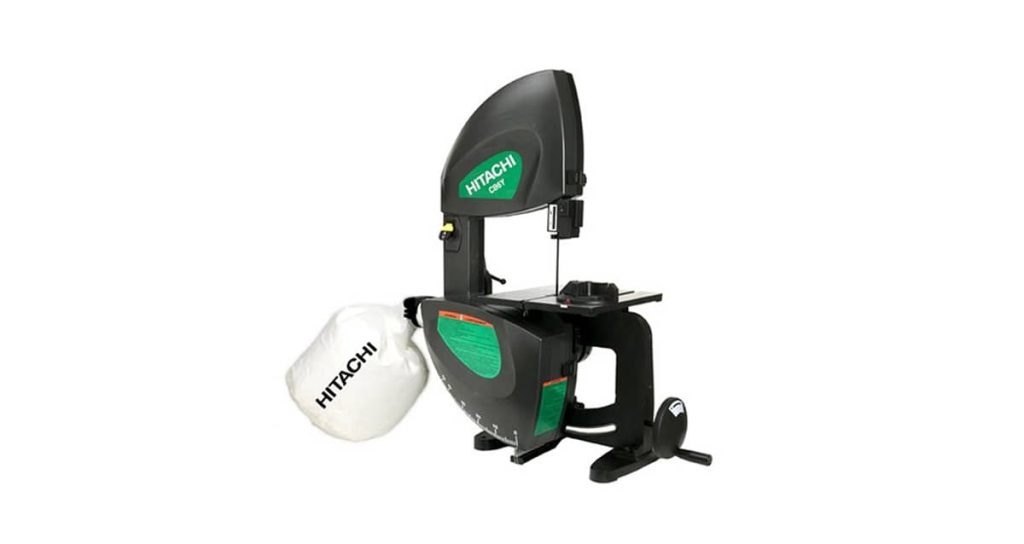
The Hitachi CB6Y has earned a solid reputation among woodworkers and DIY enthusiasts who need a reliable resaw band saw without breaking the bank. This 6-inch capacity machine delivers consistent performance for small to medium projects, from cutting lumber to resawing boards into thinner stock. Whether you picked one up at an estate sale or have been running yours for years, understanding the specifics of this model will help you get the most out of it. Finding accurate information about the Hitachi CB6Y can be tricky since Hitachi power tools transitioned to the Metabo HPT brand, but the fundamentals of maintaining and operating this saw remain the same.
Key Specifications of the Hitachi CB6Y
- Motor: 3/4 HP induction motor
- Cutting capacity: 6 inches maximum height, 9 inches throat depth
- Table size: Approximately 12 x 12 inches
- Blade length: 93-1/2 inches
- Blade width range: 1/8 inch to 1/2 inch
- Table tilt: 0 to 45 degrees
- Weight: Roughly 77 pounds
- Speed: Approximately 2,950 feet per minute
Finding the Hitachi CB6Y Manual
Tracking down the original Hitachi CB6Y manual can feel like a scavenger hunt, especially since Hitachi rebranded its power tool division. Your best options include checking the Metabo HPT website, where some legacy documentation still exists, or searching through online databases like ManualsLib that archive older equipment manuals. Many users have also scanned and uploaded their copies to woodworking forums, so a quick search on sites like Sawmill Creek or LumberJocks may turn up a PDF. The manual contains blade tensioning guidelines, assembly instructions, adjustment procedures, and safety warnings specific to this model, so having a copy on hand makes maintenance significantly easier.
Understanding the Correct Blade Size for the Hitachi CB6Y
The Hitachi CB6Y uses a 93-1/2 inch blade, which is a common length shared by several other benchtop and stationary band saws. This means replacement blades are relatively easy to find from brands like Olson, Timber Wolf, and Highland Woodworking. Blade width matters too, and the CB6Y handles widths from 1/8 inch up to 1/2 inch depending on your cutting needs. Narrower blades work better for curves and intricate cuts, while wider blades provide straighter resaws and better tracking stability. Stick with blades between 3 and 6 teeth per inch for general woodworking, and always verify the blade tension is set correctly before making any cuts.
Hitachi CB6Y Parts Reference Table
| Part Name | Part Number | Common Replacement Reason |
| Upper blade guide assembly | 303517 | Worn bearings or damaged guides |
| Lower blade guide assembly | 303518 | Excessive play or bearing failure |
| Drive belt | 958718 | Cracking, slipping, or breakage |
| Table insert | 303521 | Damage from blade contact |
| Blade tension spring | 303524 | Loss of tension over time |
| Thrust bearing | 303519 | Wear from extended use |
| Blade guard | 303522 | Cracks or missing pieces |
| Miter gauge | 303525 | Lost or damaged slot fit |
Where to Source Replacement Parts
Finding parts for the Hitachi CB6Y requires a bit of patience since the brand transition to Metabo HPT means official channels have changed. Start by checking the Metabo HPT parts website or calling their customer service line to inquire about legacy Hitachi part numbers. Third-party suppliers like eReplacementParts and ToolPartsDirect often stock components for discontinued models. For common wear items like guide bearings and drive belts, you can sometimes find compatible aftermarket options by matching the dimensions rather than relying solely on original part numbers. Woodworking forums are also valuable resources where owners share tips on cross-compatible parts from other band saw models.
Common Problems with the Hitachi CB6Y
- Blade drift during resawing, causing angled cuts
- Excessive vibration at higher feed rates
- Blade slipping off the wheels during operation
- Difficulty maintaining consistent blade tension
- Worn or damaged blade guides affecting cut quality
- Motor bogging down on thicker stock
- Table surface developing rust spots
- Dust collection port clogging frequently
Fixing Blade Tracking Issues
Blade tracking problems rank among the most common frustrations with the Hitachi CB6Y, but the fix is usually straightforward. Start by unplugging the saw and removing the blade, then inspect both wheels for debris buildup, damage, or worn tire surfaces. Clean the tires with a stiff brush and check for flat spots or hardening that might cause the blade to wander. Reinstall the blade and adjust the tracking knob while slowly rotating the upper wheel by hand, watching to ensure the blade rides centered on the tire. Proper tensioning plays a role here too, as an under-tensioned blade will track poorly regardless of wheel alignment.
ALSO WORTH READING
Curious About Cutting Stainless Steel?
If you work with stainless steel regularly, you know how tough it can be on standard blades. Choosing the right blade material makes all the difference in getting clean cuts without burning through your equipment. We put together a detailed look at whether M42 bandsaw blades are up to the task. Check out our article “Can M42 Bandsaw Blades Cut Stainless Steel Effectively?” to see what we found.
Maintaining Your Hitachi CB6Y for Long-Term Use
- Clean sawdust from the wheel housings after each session
- Wipe down the table with a dry cloth and apply paste wax monthly
- Check blade tension before starting any project
- Inspect blade guides and thrust bearings for wear every few months
- Replace the drive belt at the first sign of cracking or glazing
- Lubricate moving parts according to manual specifications
- Store the saw covered to prevent dust accumulation and rust
- Rotate or replace tires when they become hard or show flat spots
Adjusting the Blade Guides Properly
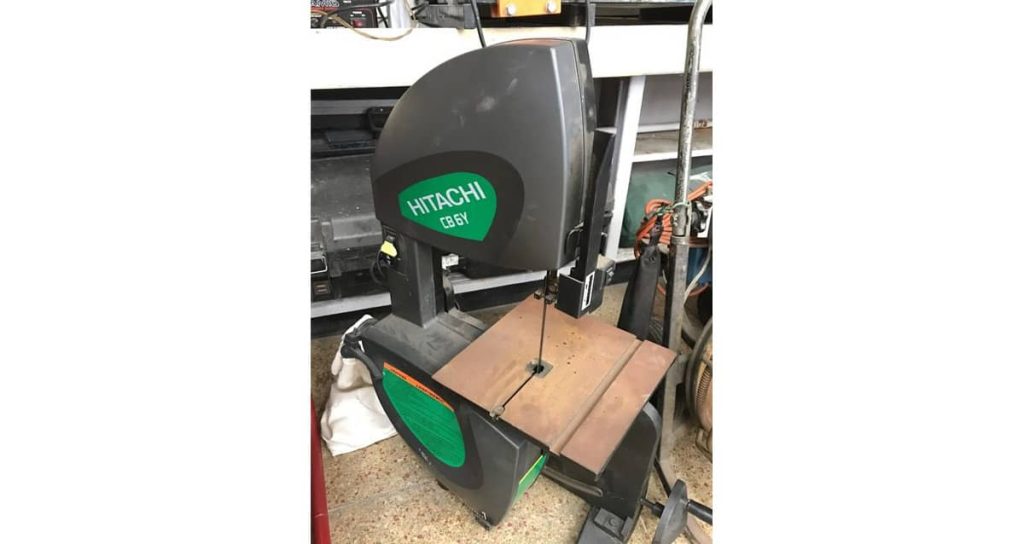
The blade guides on the Hitachi CB6Y consist of upper and lower assemblies, each containing side guides and a rear thrust bearing. To adjust them correctly, first loosen the guide holder and position the side guides so they sit just behind the blade gullets without touching the teeth. Leave a gap roughly the thickness of a piece of paper between each side guide and the blade itself. The thrust bearing should sit about the same distance behind the blade, making contact only when you apply forward pressure during a cut. Tighten everything securely and test the adjustment by making a few cuts in scrap wood, readjusting if you notice rubbing or excessive blade movement.
Tips for Getting Cleaner Cuts
- Use the correct blade tooth count for your material thickness
- Feed stock at a steady, consistent pace without forcing
- Keep blades sharp and replace them when teeth become dull
- Ensure the fence is parallel to the blade when resawing
- Let the motor reach full speed before beginning a cut
- Support long or heavy workpieces with outfeed stands
- Check blade tension regularly during extended cutting sessions
- Use a resaw fence for better control on taller stock
Final Thoughts on the Hitachi CB6Y
The Hitachi CB6Y remains a capable band saw that continues to serve woodworkers well, even years after production ended. With the right blade, proper adjustments, and regular maintenance, this machine can handle a wide range of cutting tasks reliably. Keeping a copy of the manual handy, stocking a few spare parts, and understanding how to troubleshoot common issues will ensure your Hitachi CB6Y stays running smoothly for many more projects. If you take the time to learn the quirks of this saw and maintain it properly, you will find it earns its place in the shop without much fuss.