Why the Grizzly G0513 Still Gets Attention
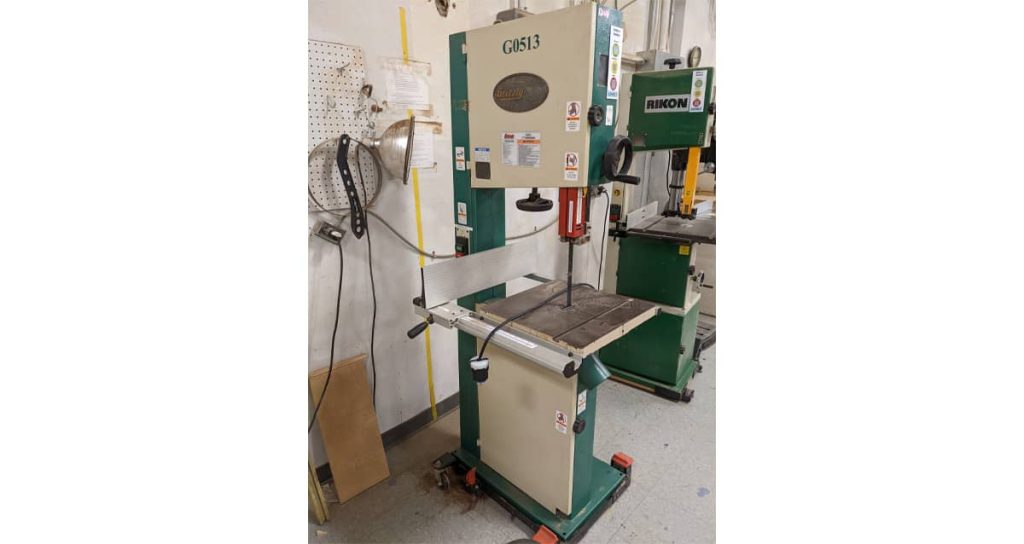
The Grizzly G0513 is still a bandsaw that many woodworkers look up because it fits into a very practical space between lighter hobby machines and much larger shop saws. It offers enough frame, table, and resaw ability to handle serious work, while still feeling realistic for many home shops and smaller professional settings. When people search for a Grizzly G0513 guide, they are usually trying to answer a few very direct questions: where to find the manual, what blade size fits best, which parts usually matter most, and what to check when the saw stops cutting the way it should.
What Owners Usually Need to Know First
- The Grizzly G0513 manual is often the first thing owners need for setup and parts reference
- Blade size matters because fit, tracking, and cut quality all depend on it
- Parts questions usually start with wear items and adjustment hardware
- Common fixes often relate to tracking, tension, guides, and alignment
- The saw performs much better when setup is handled in the right order
- Good blade choice usually solves more problems than people expect
The Grizzly G0513 Manual Helps More Than Most Owners Expect
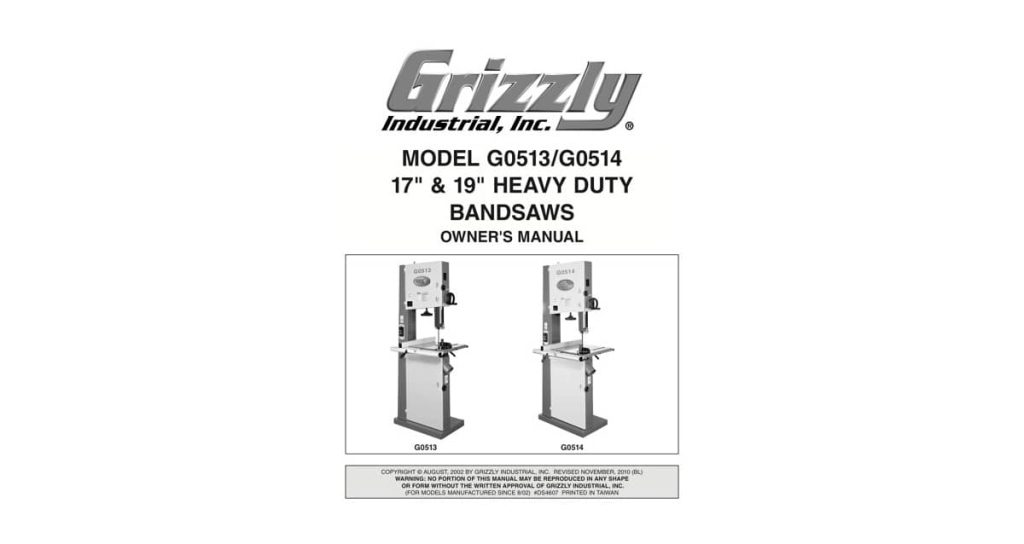
A lot of owners start by looking for the Grizzly G0513 manual because it gives them more than just an exploded diagram. A good manual helps confirm setup points, blade information, adjustment locations, and part references before money gets spent on replacements that may not solve the real problem. This is especially useful on a bandsaw because many cutting issues come from setup rather than complete failure. If the saw is new to you, or if it came from another shop with unknown adjustments, starting with the Grizzly G0513 manual usually saves time. Since the Band Saw Manual Grizzly G0513 is available on bandsawmanuals.com, that is often the easiest place to begin.
Blade Size Is One of the First Questions Owners Ask
Blade size is usually the next major question in any Grizzly G0513 guide because blade fit changes how the entire saw behaves. A blade that matches the saw correctly will track more steadily, tension more predictably, and give cleaner results than a blade that is only close to the right dimensions. Beyond length, width matters too. Narrower blades make more sense for curves and tighter work, while wider blades are usually better for straighter cuts and resawing. In real shop use, many problems blamed on the saw itself are actually blade problems, either because the blade is worn out, the width is wrong for the cut, or the blade quality is not good enough for the work being asked of it.
Grizzly G0513 Reference Points at a Glance
| Area | What to Check | Why It Matters |
|---|---|---|
| Manual | Setup steps, adjustments, exploded parts view | Helps confirm the correct starting point before changing parts |
| Blade size | Correct fit for the saw and task | Affects tracking, tension, and cut quality |
| Blade width | Narrow for curves, wider for straight cuts and resawing | Helps match the saw to the type of work |
| Guides | Condition and position of side guides and thrust support | Poor guide setup can lead to drift and rough cuts |
| Tires and wheels | Tire wear, wheel cleanliness, and tracking behavior | Directly affects blade stability |
| Fence and table | Alignment and rigidity | Important for straight cuts and repeatable work |
Parts Questions Usually Start with Wear Items
Most Grizzly G0513 parts questions begin with the pieces that wear gradually rather than fail all at once. Owners often end up checking blade guides, thrust bearings, tires, belts, inserts, switches, and table hardware before anything more serious. That makes sense because a bandsaw can still run while cutting poorly, and poor cut quality often points to a worn or badly adjusted support part rather than a dead motor or major structural issue. If you are trying to sort out Grizzly G0513 parts, it usually helps to begin with the parts that touch the blade, support the tracking path, or affect alignment. Those are the places where small wear often turns into noticeable cutting problems.
Looking for More Bandsaw Manuals?
If you need information for another machine as well, visit our website to browse more bandsaw manuals available for free on bandsawmanuals.com. It is a helpful place to check model-specific manuals, parts references, and setup details before ordering anything or making adjustments. That extra reference can save time and make it easier to work with the right information from the start.
Common Grizzly G0513 Parts Owners Often Check
- Upper and lower guide assemblies
- Thrust bearings or rear blade support parts
- Blade tires and wheel surfaces
- Drive belt and pulley alignment
- Table insert and trunnion hardware
- Fence parts, locking hardware, and adjustment points
Common Fixes Usually Start with Setup, Not Replacement
Many common Grizzly G0513 fixes are really setup corrections rather than major repairs. If the saw drifts, chatters, burns wood, or leaves a rough finish, it is usually better to check the basics before ordering parts. Blade condition, blade tension, tracking, guide position, and table alignment should all be reviewed first. A worn blade can make a healthy saw feel disappointing, while a properly chosen blade with careful setup can make the same saw feel far better without replacing a single mechanical part. This is one reason owners who move too quickly into parts buying often spend money before identifying the real cause.
Signs the Grizzly G0513 May Need Attention
- The blade wanders during straight cuts
- Cuts feel rough even after basic setup
- The saw vibrates more than expected
- Tracking changes from one session to the next
- Guides make more contact or noise than they should
- Resaw cuts become harder to keep straight
Tracking, Tension, and Guides Usually Decide the Result
If a Grizzly G0513 is not cutting the way it should, the first place to slow down and look carefully is the relationship between tracking, tension, and guides. Those three areas work together, and if one of them is off, the saw often feels unpredictable. A blade that is not tracking consistently on the wheels will not suddenly be corrected by the fence. A blade under weak tension can twist more easily during a cut. Guides set too tightly can add friction and noise, while guides too far away leave the blade with less support than it needs. When owners say a bandsaw feels difficult to trust, those are often the areas behind that feeling.
A Practical Order for Solving Common Grizzly G0513 Problems
- Start with a sharp blade that matches the job
- Check blade tracking before changing fence settings
- Set proper blade tension instead of guessing by feel alone
- Adjust the guides so they support the blade without forcing it
- Confirm the table is square to the blade for the intended cut
- Inspect wear items only after the basic setup has been checked
A Well-Set Grizzly G0513 Is Usually More Capable Than It First Appears
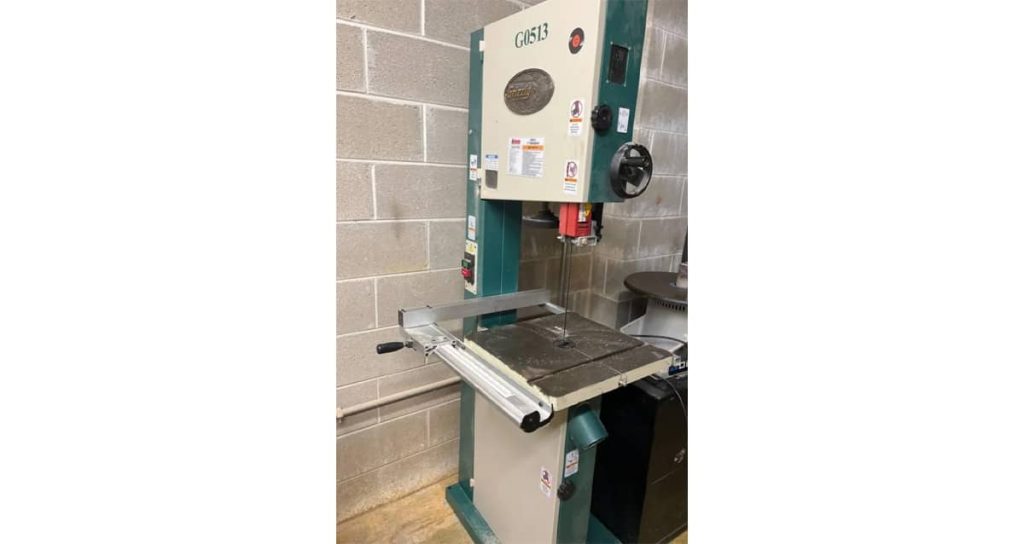
A Grizzly G0513 guide usually comes back to the same main point: this saw tends to respond well when the manual, blade choice, setup, and wear parts are handled in the right order. Owners often get better results by reviewing the manual, choosing the right blade, checking guides and tracking, and then deciding whether parts actually need replacement. Since the Band Saw Manual Grizzly G0513 is available on bandsawmanuals.com, that first step is easy to make. Once the basics are right, the saw usually feels steadier, cuts cleaner, and becomes much easier to rely on for everyday shop work.
Working with Larger Bandsaws Too?
If you also use a bigger shop machine or are thinking about moving up in size, our article on 18-Inch Bandsaws: Blade Setup, Key Adjustments and Useful Performance Upgrades is worth reading next. It explains how blade choice, tracking, guide setup, and a few practical upgrades can change the way a larger bandsaw performs in real work. It is a useful follow-up if you want a clearer sense of what matters most once you move beyond mid-size saws.
What Usually Helps the Grizzly G0513 Perform Better
- Starting with the manual before guessing at adjustments
- Using the correct blade size and width for the work
- Replacing dull blades before blaming the saw
- Keeping guides, wheels, and tires in good condition
- Checking tracking and tension before changing multiple settings
- Treating setup as a process instead of a single adjustment
The Grizzly G0513 Rewards Careful Setup More Than Random Part Swapping
The Grizzly G0513 is one of those bandsaws that usually improves most when the owner works through it methodically. The manual helps establish the right starting points, the right blade size helps the machine behave properly, the important parts can be checked in a sensible order, and the most common fixes are usually easier than they first seem. Once that process is followed, the saw often becomes smoother, more predictable, and more useful than it may have seemed at the start.