Why the Delta 28-203 Still Gets Attention
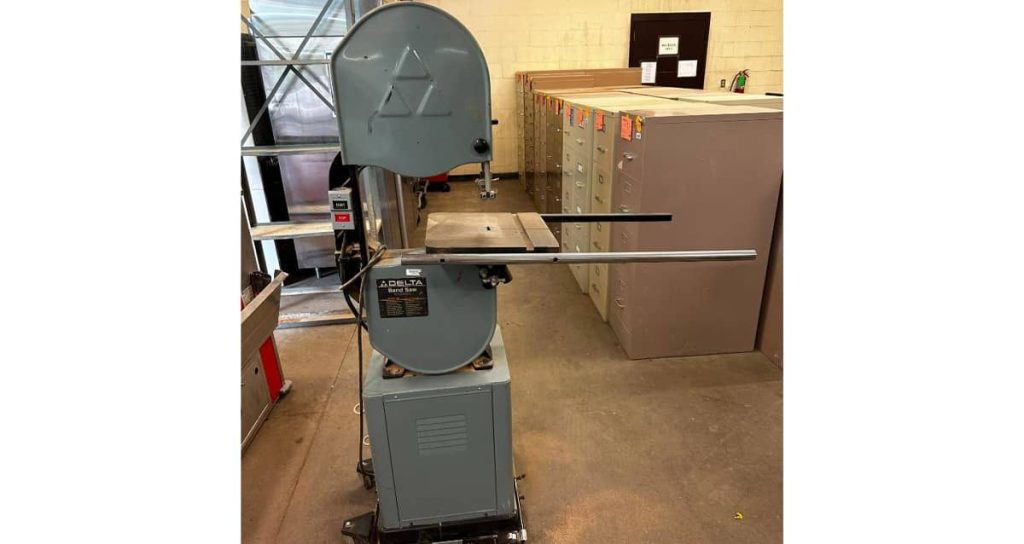
The Delta 28-203 is still a bandsaw many woodworkers search for because it offers a useful balance of shop size, resaw capacity, and everyday cutting ability. With its 3/4 HP dual voltage motor, factory riser block, mobile base, and Carter bearing guides, it fits well in many home shops. When people look up the Delta 28-203 manual, blade size, parts, and common fixes, the goal is usually simple: get the saw cutting straight, running smoothly, and staying dependable without wasting time on the wrong parts or setup choices.
What Owners Usually Need to Know First
- The exact model is Delta 28-203 Type 1
- The saw uses a 3/4 HP Marathon dual voltage motor set for 115V from the factory
- Resaw capacity is up to 11 1/2 inches with the factory riser block
- Carter bearing guides are fitted at the top and bottom
- The saw is a floor standing model with a factory mobile base
- Manual lookup and correct blade selection are often the first two things owners search for
The Delta 28-203 Manual Helps More Than Many People Expect
When people search for the Delta 28-203 manual, they are usually looking for more than an exploded diagram. The manual is often the best place to confirm the exact model type, basic specifications, adjustment points, and part references before ordering anything. That matters because many Delta bandsaws look similar at first glance, but the wrong manual can lead to the wrong blade length, the wrong part match, or a lot of lost time around guide setup and alignment. If you are working on this saw for the first time, starting with the manual usually saves effort later.
Blade Size Is One of the Most Common Questions
Blade size is where many Delta 28-203 owners pause, especially when better resaw results are the goal. In real shop use, a maximum practical blade width of 1/2 inch is often the safer choice for this saw, especially when stable tracking and easier setup matter more than trying to force the widest possible blade onto the machine. Narrower blades still make sense for curves and tighter work, while a 1/2 inch blade is often the better fit for straighter ripping and resawing. The right choice depends on the cut, but what matters most is using a blade that fits the saw well, tracks cleanly, and suits the job instead of simply choosing the widest blade available.
Delta 28-203 Specifications at a Glance
| Specification | Details |
|---|---|
| Model | Delta 28-203 Type 1 |
| Saw Type | Wood cutting bandsaw |
| Motor | 3/4 HP Marathon dual voltage motor |
| Factory Voltage Setting | 115V |
| Resaw Capacity | Up to 11 1/2 inches with factory riser block |
| Guide System | Carter ball bearing guides, top and bottom |
| Stand Style | Floor standing saw with factory mobile base |
| Dust Handling | Dust collection pipe included |
| Blade Width Note | 1/2 inch is often the most practical upper blade width |
Parts Questions Often Start with Wear Items and Setup Parts
When owners search for Delta 28-203 parts, the need is often tied to maintenance rather than a major failure. Common part questions usually involve guide components, tires, belts, bearings, switches, inserts, and dust collection fittings. Since this model already uses Carter bearing guides, some owners are checking condition rather than thinking about an upgrade. Others are simply trying to confirm whether a used saw is complete before spending money on blades and tune-up work. On an older bandsaw, small missing pieces can turn a good deal into a longer repair job, so it helps to look closely at the guide area, table hardware, fence setup if included, and the condition of the mobile base.
Need More Bandsaw Manuals?
If you are still trying to identify your saw, confirm a part number, or find the right setup information, BandsawManuals.com is a useful place to check next. The site gives you access to a large collection of bandsaw manuals that can help with model identification, parts diagrams, adjustments, and general maintenance. It is a helpful resource if you want to track down manual information without spending hours searching from one source to another.

Common Delta 28-203 Parts Owners Often Check
- Upper and lower guide bearings
- Blade tires and wheel condition
- Drive belt and pulley alignment
- Table insert and trunnion hardware
- Switch and wiring condition
- Dust collection fittings and hose connection points
Common Fixes Usually Come Down to Setup and Wear
Many Delta 28-203 common fixes are not major repairs. More often, they involve tracking, tension, guide adjustment, wheel tire condition, or basic alignment. A used saw may also need a fresh blade before anything else makes sense. If the cut wanders, the finish looks rough, or the blade feels unstable, the first things to check are usually the blade itself, guide position, tension setting, and whether the wheels are clean and tracking correctly. In many cases, a saw that feels disappointing at first can improve a lot once those basics are handled in the right order.
Signs the Delta 28-203 May Need Attention
- The blade drifts even after basic setup
- Cuts feel rough or leave a washboard surface
- The saw vibrates more than expected
- Guide bearings sound rough or stop spinning cleanly
- Blade tracking feels inconsistent from cut to cut
- Dust buildup starts affecting wheel or guide performance
The Carter Guides Are a Strong Point When They Are Set Correctly
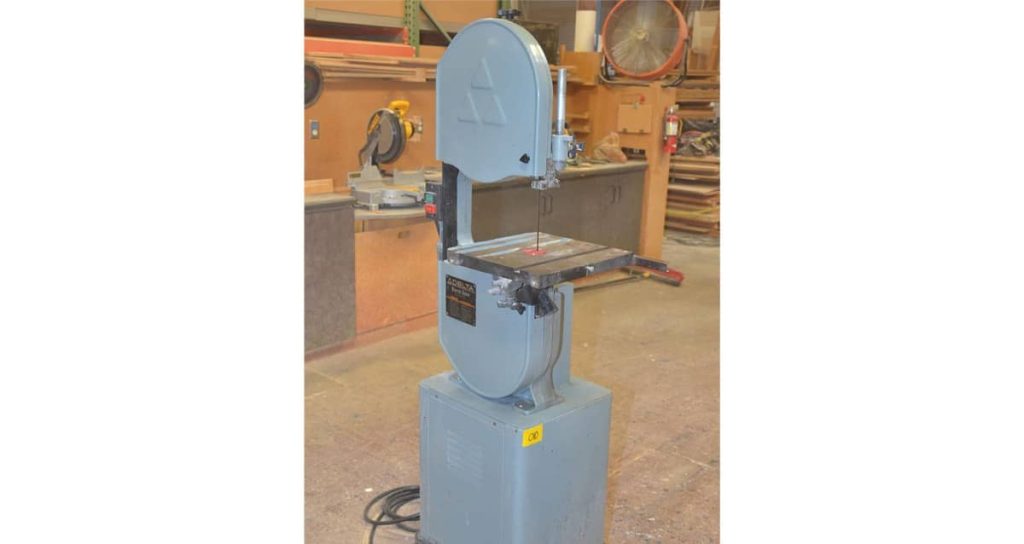
One useful feature on the Delta 28-203 is the Carter bearing guide setup. Good bearing guides can help the blade stay more stable during both straight cuts and resaw work, but they still need proper adjustment to do their job well. If the side bearings are too close, they can add friction and heat. If they are too far away, the blade can move more than it should. The same applies to the thrust bearing, which should support the blade only when cutting pressure pushes it back. On a saw like this, guide condition and adjustment can change the whole feel of the cut.
A Practical Order for Fixing Common Delta 28-203 Problems
- Start with a sharp blade that matches the type of cut
- Check blade tension before changing other settings
- Confirm the blade tracks correctly on the wheels
- Adjust the Carter guides and thrust bearings carefully
- Inspect the belt, tires, and wheel condition if vibration remains
- Use the manual to confirm parts and adjustment points before ordering replacements
A Well Set Delta 28-203 Is Usually More Capable Than It First Appears
The Delta 28-203 manual, blade size, parts, and common fixes all lead back to the same idea: this saw usually responds well to careful setup and basic maintenance. Its 3/4 HP motor, 11 1/2 inch resaw capacity, Carter guides, and floor standing layout give it a solid foundation for everyday woodworking. For many owners, the best results come from starting with the correct manual, choosing a sensible blade, checking wear parts early, and fixing small setup issues before they grow into larger problems. Once those details are sorted out, the saw usually becomes easier to trust and easier to use.