Getting to Know the Delta 28-180 Bandsaw
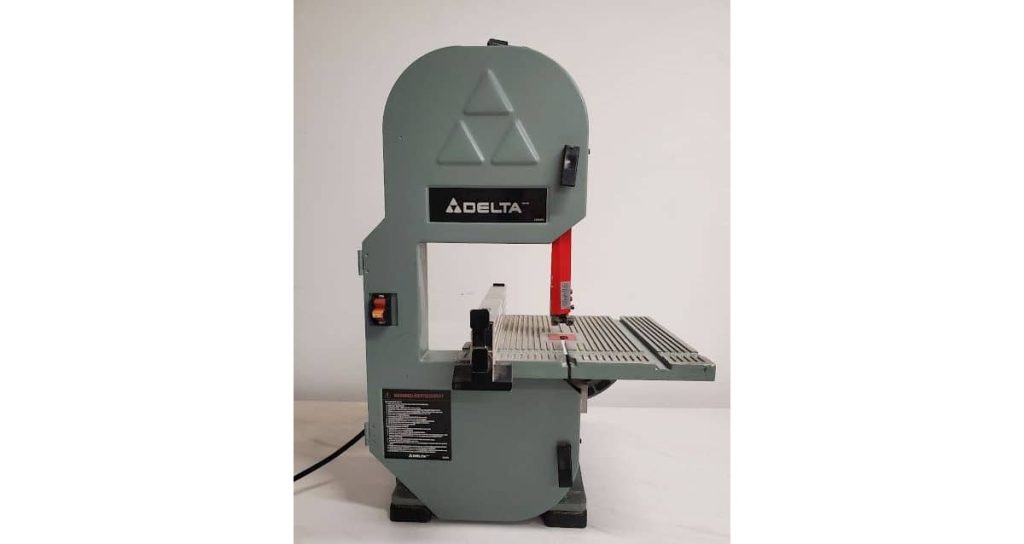
The Delta 28-180 is a 10-inch benchtop bandsaw that has earned a solid reputation among woodworkers and hobbyists who need reliable cutting performance without taking up excessive shop space. Originally manufactured during Delta’s peak years of producing quality stationary tools, this machine handles resawing, curved cuts, and general stock preparation with the kind of precision you expect from a well-engineered bandsaw. Whether you picked one up new years ago or found a used unit at an estate sale, understanding the manual specifications, correct blade sizing, available replacement parts, and typical repair needs will help you keep this saw running smoothly for years to come. The Delta 28-180 remains a practical choice for anyone working with wood up to 6 inches thick, and with proper maintenance, it continues to deliver clean, accurate cuts long after newer models have come and gone.
Key Features That Define the Delta 28-180
The Delta 28-180 comes equipped with several design elements that make it well suited for small shop environments and detailed work:
- 10-inch wheel diameter for smooth blade tracking and adequate cutting capacity
- 1/3 horsepower motor that handles most common woodworking tasks efficiently
- Tilting table with miter slot for angled cuts up to 45 degrees
- Rip fence included for straight, repeatable cuts
- Blade tension adjustment mechanism with quick-release lever
- Dust port for connecting to a shop vacuum or dust collection system
- Compact footprint designed for benchtop mounting
- Upper and lower blade guides with thrust bearings for stable blade support
Finding and Using the Delta 28-180 Manual
Locating the original manual for the Delta 28-180 can save you considerable time when setting up the saw or troubleshooting an issue. Delta included detailed assembly instructions, adjustment procedures, and safety guidelines in the factory documentation. If you purchased the saw secondhand without paperwork, digital copies of the Delta 28-180 manual are available through several online sources, including vintage tool forums and PDF archive sites. The manual covers blade installation steps, tension settings, guide block adjustments, and proper table alignment procedures. Having this reference on hand makes routine maintenance much simpler and helps you avoid the kind of setup errors that lead to poor cut quality or premature blade wear.
Correct Blade Size for the Delta 28-180
The Delta 28-180 uses a 72-inch bandsaw blade, which is a standard length shared by several other 10-inch benchtop models. Blade width options typically range from 1/8 inch up to 1/2 inch, depending on the type of cutting you plan to do. Narrow blades in the 1/8 to 1/4 inch range work best for tight curves and intricate scrollwork, while wider blades in the 3/8 to 1/2 inch range provide better stability for straight cuts and resawing operations. Tooth count also matters, with 6 TPI blades offering faster cuts in thicker stock and 10 to 14 TPI blades producing smoother finishes on thinner material. Keeping a few different blade widths and tooth configurations on hand allows you to match the blade to the specific task without compromising cut quality.
Delta 28-180 Specifications at a Glance
| Specification | Detail |
| Blade length | 72 inches |
| Blade width range | 1/8 inch to 1/2 inch |
| Wheel diameter | 10 inches |
| Motor | 1/3 HP, 120V |
| Cutting capacity (height) | 6 inches |
| Cutting capacity (throat) | 9-1/2 inches |
| Table size | 12-1/4 x 11-3/4 inches |
| Table tilt | 0 to 45 degrees |
| Speed | Approximately 2,980 FPM |
| Weight | Around 65 pounds |
Replacement Parts for the Delta 28-180
Finding replacement parts for the Delta 28-180 requires a bit more effort than sourcing components for current production models, but the good news is that most common wear items remain available. Tires, blade guides, thrust bearings, and drive belts can still be purchased through aftermarket suppliers and online retailers specializing in vintage Delta equipment. Some parts are direct replacements, while others may require slight modification or careful measurement to ensure proper fit. The blade guide blocks and thrust bearings tend to wear over time, and replacing them restores the precise blade support necessary for accurate cuts. When ordering parts, having the model number and serial number from your machine helps confirm compatibility and prevents the frustration of receiving incorrect components.
Find Free Band Saw Manuals Online
Looking for a band saw manual? Visit bandsawmanuals.com to browse a large collection of band saw manuals available for free. Whether you need setup instructions, parts information, maintenance guidance, or safety details, the site makes it easy to find helpful resources for many different band saw models. Check it out today and get the manual you need without any cost.
Most Common Parts That Need Replacement
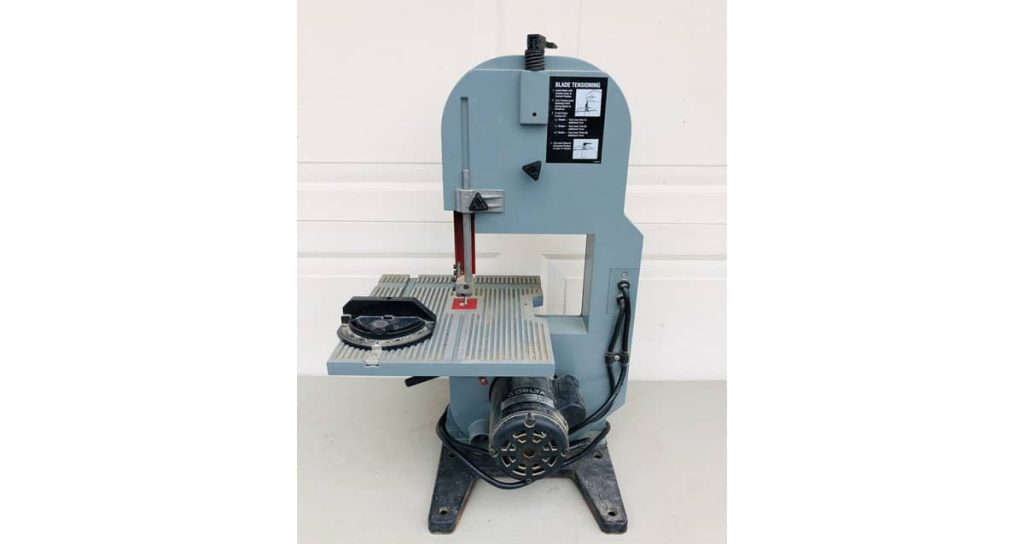
Over time, certain components on the Delta 28-180 wear out and require attention to maintain good performance:
- Rubber tires on both upper and lower wheels, which harden and crack with age
- Upper and lower blade guide blocks or bearings
- Thrust bearings that support the back of the blade
- Drive belt connecting the motor to the lower wheel
- Blade tension spring if it loses tension over time
- Table alignment pins or inserts if damaged from blade contact
- On/off switch if it becomes unreliable or fails to engage properly
Blade Tracking and Tension Adjustments
Proper blade tracking is one of the most important adjustments on any bandsaw, and the Delta 28-180 is no exception. The tracking adjustment knob, located behind the upper wheel housing, controls the tilt of the upper wheel and determines where the blade rides on the tire surface. Ideally, the blade should track in the center of the tire or slightly toward the front, depending on blade width. Before adjusting tracking, always set the blade tension first using the built-in tension scale as a starting reference. Many experienced users find that slightly exceeding the marked tension setting improves cut quality, particularly when resawing or using wider blades. After setting tension, spin the upper wheel by hand while adjusting the tracking knob until the blade runs smoothly without wandering toward the front or back edge of the wheels.
ALSO WORTH READING
Get Your Blade Feed Right for Cleaner Cuts
If you are struggling with straight cuts, your blade feed settings might be the culprit. Proper blade feed makes a huge difference in cut quality and helps reduce wear on your equipment. Check out our quick guide on how to set blade feed for straight cuts. It only takes a minute to read and can save you a lot of frustration on your next project.
Common Fixes for Delta 28-180 Problems
The Delta 28-180, like any well-used bandsaw, develops issues over time that are usually straightforward to address with basic tools and some patience:
- Blade wandering during cuts, typically caused by dull blades, improper tension, or worn guide bearings
- Excessive vibration, often traced to worn or hardened tires that no longer grip the blade evenly
- Motor running but blade not moving, usually indicating a worn or broken drive belt
- Blade breaking frequently, which may result from over-tensioning, metal fatigue, or blade guides set too tight
- Table not staying square to the blade, requiring adjustment of the trunnion bolts underneath
- Dust port clogging, addressed by checking for obstructions and ensuring proper vacuum connection
- Difficulty adjusting blade guides, often resolved by cleaning accumulated sawdust and pitch from the guide assembly
Keeping Your Blade Guides in Good Condition
The blade guides on the Delta 28-180 play a significant role in cut accuracy and blade longevity. Both the upper and lower guide assemblies include side guide blocks or bearings and a rear thrust bearing that prevents the blade from being pushed backward during cutting. Over time, these components wear down or become misaligned, leading to blade deflection and rough cuts. Setting the guides properly involves positioning the side guides just behind the blade gullets without touching the teeth, and adjusting the thrust bearing so it contacts the blade only when cutting pressure is applied. Checking and adjusting the guides each time you change blades takes only a minute but makes a noticeable difference in how the saw performs.
Tips for Maintaining Your Delta 28-180
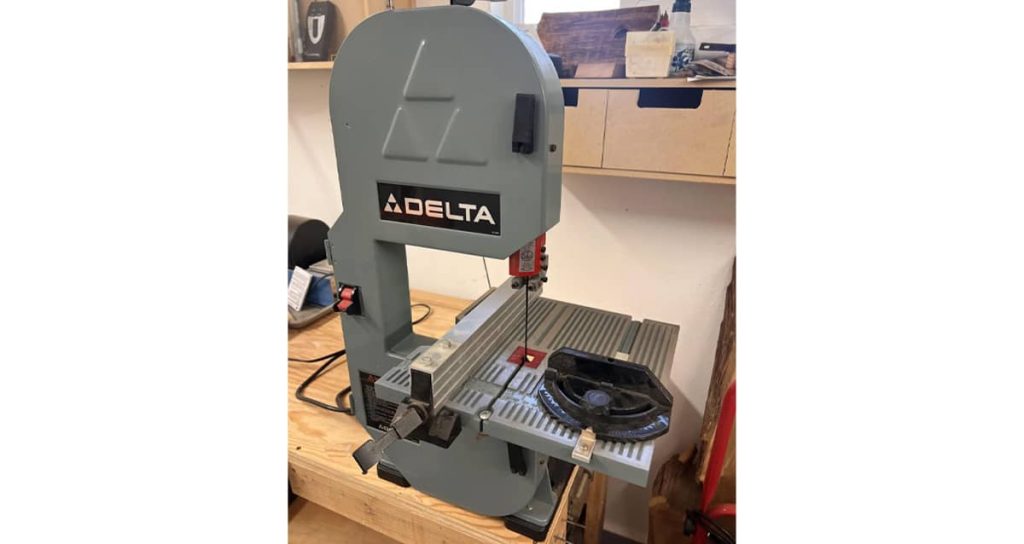
Regular maintenance keeps the Delta 28-180 cutting accurately and extends the life of both the machine and your blades:
- Inspect the tires periodically for cracks, flat spots, or hardening, and replace them when worn
- Clean the table surface and miter slot to prevent rust and ensure smooth workpiece movement
- Lubricate the blade tension mechanism and guide post with a light machine oil
- Check the drive belt tension and condition every few months
- Keep the dust port clear and use dust collection to prevent sawdust buildup inside the housing
- Store extra blades coiled and protected to prevent damage to the teeth
- Verify table squareness to the blade before starting precision work
A Reliable Bandsaw Worth Keeping in Service
The Delta 28-180 may no longer be in production, but it remains a capable and practical bandsaw for woodworkers who appreciate solid construction and straightforward mechanical design. With the correct 72-inch blade installed, proper tracking and tension set, and worn parts replaced as needed, this machine continues to deliver the kind of dependable performance that made Delta a respected name in the shop equipment industry. Whether you are making curved furniture components, resawing lumber for bookmatched panels, or simply breaking down rough stock, the Delta 28-180 handles the work with the quiet competence of a well-maintained tool. Taking the time to understand its setup, keep spare parts available, and address small issues before they become larger problems ensures this bandsaw stays productive for many more years in your shop.