Why the Delta 14″ Bandsaw Deserves a Better Setup
The Delta 14″ bandsaw remains a solid shop machine because it gives woodworkers a sturdy cast-iron base that responds well to careful setup. In stock form, it can handle plenty of work, but a proper Delta 14″ bandsaw tune-up usually brings smoother tracking, cleaner resaw cuts, less vibration, and better fence consistency. That is why the most useful Delta 14″ bandsaw upgrades are often the practical ones. Better guides, a stronger fence, correct wheel alignment, and regular maintenance usually do more than expensive changes that do not address the real issue. With the right setup, this saw becomes easier to use for straight cuts, curves, and daily shop work.
The Delta 14″ Bandsaw Upgrades That Often Help the Most
• Ball bearing guides for better blade support and less friction
• Fence upgrade for straighter cuts and easier resaw alignment
• Good blades chosen for resawing, curves, or regular cutting
• Zero-clearance insert for better support near the blade
• Dust collection improvement around the lower wheel area
• Better lighting aimed at the table and blade path
Begin with the Base Before Changing Anything Else
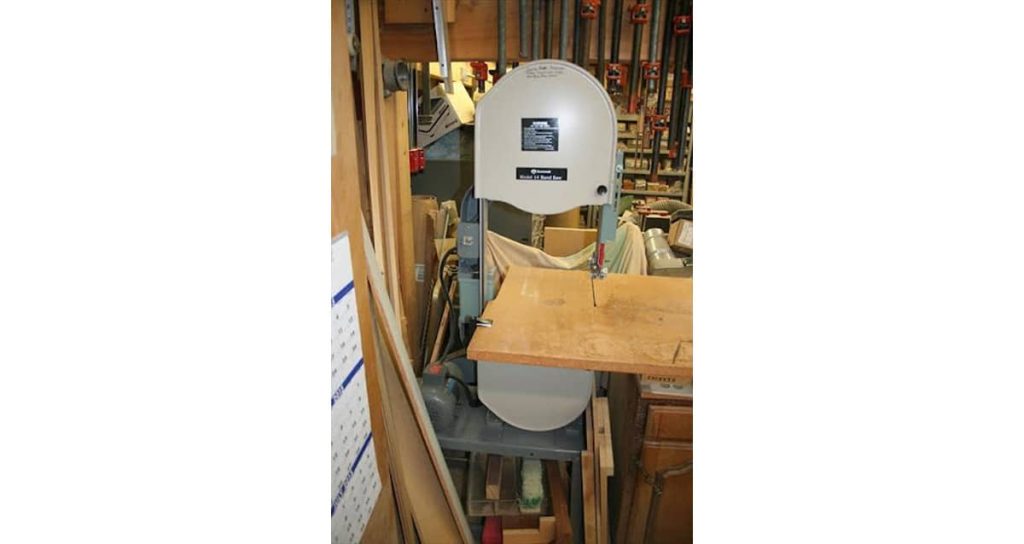
Before adding Delta 14″ bandsaw upgrades, make sure the saw stands firmly and does not move. A saw that rocks on the floor will never feel properly adjusted. Start by checking the base bolts, cabinet hardware, and table mounting points. If the floor is uneven, use shims, plywood, or vibration pads under the saw. Then make sure the table is secure and not adding movement during cuts. Many problems that seem related to blades or guides actually start with poor stability. A good Delta 14″ bandsaw tune-up starts low and works upward.
Wheel and Tracking Setup Should Come Early
Once the saw is stable, the next step is the blade path. Spin the wheels by hand and check for wobble, rough bearings, or worn tires. Then install a good blade and adjust tracking so the blade rides correctly on the wheels without moving too far forward or backward. On many Delta 14″ bandsaw setups, this step changes the whole feel of the machine. If the tires are hardened or worn, replace them before making smaller adjustments. Clean wheels, smooth bearings, and correct tracking make everything else easier to dial in.
Best Delta 14″ Bandsaw Upgrades at a Glance
| Upgrade or Fix | What It Helps | Best Use |
|---|---|---|
| Ball bearing guides | Better blade control and less friction | Resawing and regular use |
| Fence upgrade | Straighter cuts and easier setup | Rip cuts and resaw work |
| Quality blade selection | Cleaner cuts and less drift | All cutting tasks |
| Zero-clearance insert | Better workpiece support | Thin stock and cleaner edges |
| New tires or bearings | Smoother tracking and less vibration | Older or heavily used saws |
Why Guide Upgrades Make Such a Noticeable Difference
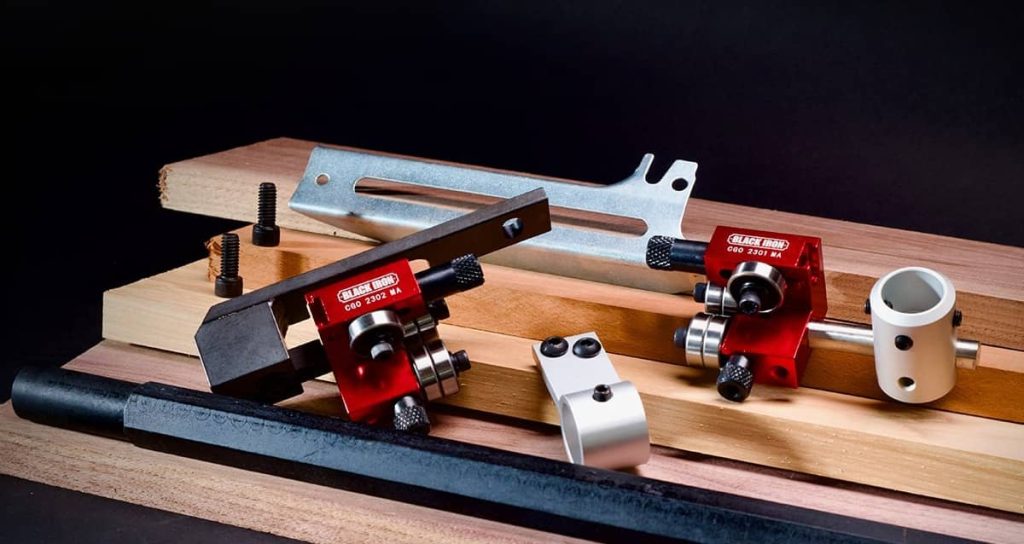
Standard guide blocks can still work, but many Delta 14″ bandsaw owners notice better control after switching to ball bearing guides. The blade feels steadier, tracking is easier to maintain, and resaw cuts often improve right away. Side bearings help control side movement, while thrust bearings support the blade from behind during feed pressure. That becomes more noticeable when cutting taller stock or using wider blades. This is one of the most practical Delta 14″ bandsaw upgrades because it improves performance without changing the saw in a major way. It simply gives the setup a more controlled feel.
Common Delta 14″ Bandsaw Fixes to Check Early
• Re-square the table to the blade if cuts stop coming out true
• Replace a dull or poorly matched blade before adjusting other parts
• Tighten fence hardware, table bolts, and base fasteners
• Check belt wear and pulley alignment if vibration increases
• Clean packed sawdust from wheel covers and the lower cabinet
• Reset guide bearings so they sit close without pinching the blade
Blade Selection Matters More Than Many Owners Realize
A Delta 14″ bandsaw can only perform as well as the blade on it. For resawing, wider blades in the 3/8″ to 1/2″ range with lower TPI usually track straighter. For curves and finer work, narrower blades with higher TPI are often the better choice. Many owners spend time adjusting guides and fences when the real problem is blade selection. A dull blade, the wrong width, or the wrong tooth pattern can lead to drift, rough cuts, and extra feed pressure. One of the smartest Delta 14″ bandsaw tune-up habits is choosing the right blade before touching the adjustments.
Signs Your Delta 14″ Bandsaw Likely Needs a Tune-Up
• Blade starts drifting during straight cuts
• Vibration becomes more noticeable than usual
• Resaw cuts look rough or uneven
• Blade tracking changes too easily between sessions
• Fence cuts no longer stay parallel to the blade
• Bearings, belts, or tires begin sounding rough
Don’t Overlook the Fence, Table, and Dust Pickup
Many Delta 14″ bandsaw tune-up guides focus on blades and guides first, but the fence and table matter just as much. A fence that will not stay square or parallel wastes time quickly. The table also needs to stay clean, flat, and square to the blade for dependable work. Dust pickup matters more than it first seems because packed dust around the lower wheel affects visibility, cleanup, and wear over time. A better fence, a clean cast-iron table, and stronger dust collection often make the saw easier to use every day, even before bigger changes are made.
Also Read: Grizzly G0513 Guide: Manual, Blade Size, Parts, and Common Fixes
If you are researching another shop bandsaw, our Grizzly G0513 Guide: Manual, Blade Size, Parts, and Common Fixes article is a useful next read. It focuses on the setup details, replacement parts, blade sizing, and common problems that owners usually run into over time. Reading it alongside this Delta 14″ bandsaw guide can help you compare maintenance needs, upgrade options, and day-to-day setup differences between two well-known shop saws.
A Simple Delta 14″ Bandsaw Tune-Up Routine
• Clean the wheels, table, and cabinet interior every few months
• Recheck blade tension and tracking after changing blades
• Inspect tires, belts, and guide bearings for wear
• Lightly oil moving adjustment points when needed
• Verify table square and fence alignment before careful work
• Tighten loose fasteners before vibration gets worse
A Good Place to Leave It
The Delta 14″ bandsaw usually improves most through careful setup rather than expensive parts alone. The best Delta 14″ bandsaw upgrades are often the ones that improve stability, blade control, alignment, and repeatable accuracy. Start with the base, wheels, and tracking, then move to guides, blades, fence setup, and regular maintenance. That order keeps the work practical and helps avoid chasing the wrong issue. With a few smart fixes and steady tune-ups, a Delta 14″ bandsaw can become a much more accurate and dependable machine in the shop.