The Role of Bandsaw Blade Width in Cutting Performance
Using the correct bandsaw blade width plays an important role in producing clean and controlled cuts. Blade width influences curve capability, straight cut stability, resaw efficiency, and overall cutting accuracy. Selecting the appropriate width helps improve material usage and supports safer workshop operations.
Standard Bandsaw Blade Width Sizes
-
Narrow blades (1/8″–3/8″) allow tighter curve cutting
-
Medium blades (3/8″–1/2″) support general cutting tasks
-
Wide blades (3/4″–1″) are suited for straight cuts and resawing
-
Blade width impacts stability and cutting precision
Applications for Narrow Bandsaw Blades
Narrow bandsaw blades ranging from 1/8 inch to 3/8 inch are commonly used when cutting curves or smaller parts. Their flexibility allows them to follow tighter paths when working with detailed shapes or thin materials that require precise movement during cutting.
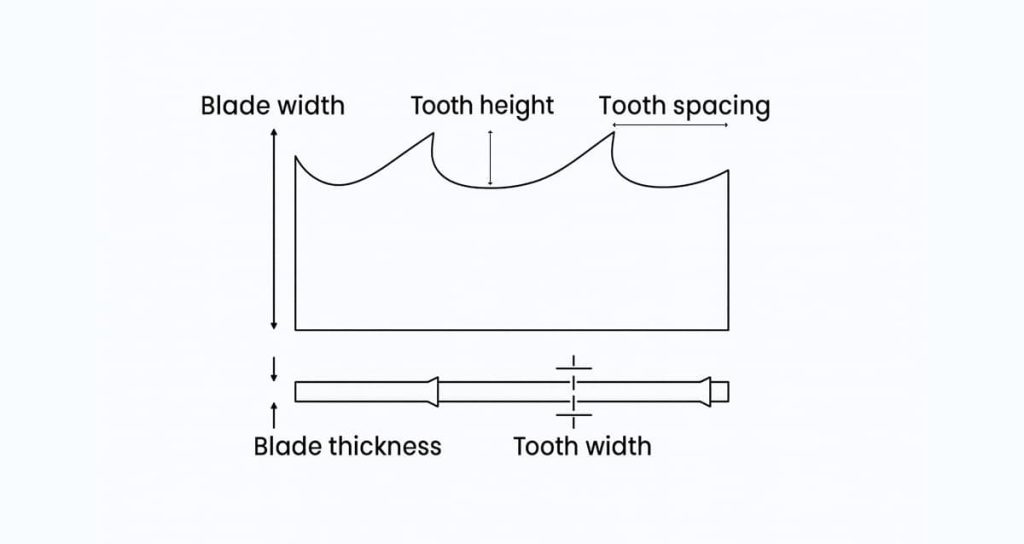
Challenges with Narrow Blade Width
While narrow bandsaw blade width is effective for detailed cuts, it may not perform well when resawing thicker stock. Limited surface contact with the saw wheels can lead to blade movement or vibration. For thicker materials, a wider blade can offer improved stability during cutting.
Minimum Curve Radius by Bandsaw Blade Width
| Blade Width | Minimum Curve Radius |
|---|---|
| 1/8″ | 1″ radius |
| 1/4″ | 2″ radius |
| 3/8″ | 3″ radius |
| 1/2″ | 4″ radius |
| 3/4″–1″ | Gentle curves only |
Medium Blade Width for Versatile Cutting
Medium-width bandsaw blades between 3/8 inch and 1/2 inch are often used for regular workshop work. These blades offer a balance between flexibility and straight cutting stability. They can handle moderate curves while maintaining accuracy for rip cuts or light resaw applications.
Benefits of Medium Bandsaw Blades
-
Suitable for everyday workshop use
-
Improved stability compared to narrow blades
-
Capable of moderate curve cutting
-
Supports light resaw operations
Wide Bandsaw Blade Width for Resaw Tasks
Wide bandsaw blades ranging from 3/4 inch to 1 inch are typically selected for resawing thick materials and cutting straight lines on larger boards. Increased blade width helps reduce drift and maintain blade alignment during cutting.
Advantages of Wide Blade Width
-
Improved straight cutting control
-
Reduced blade deflection
-
Suitable for thick stock resawing
-
Better handling of larger workpieces
Blade Width and Other Blade Factors
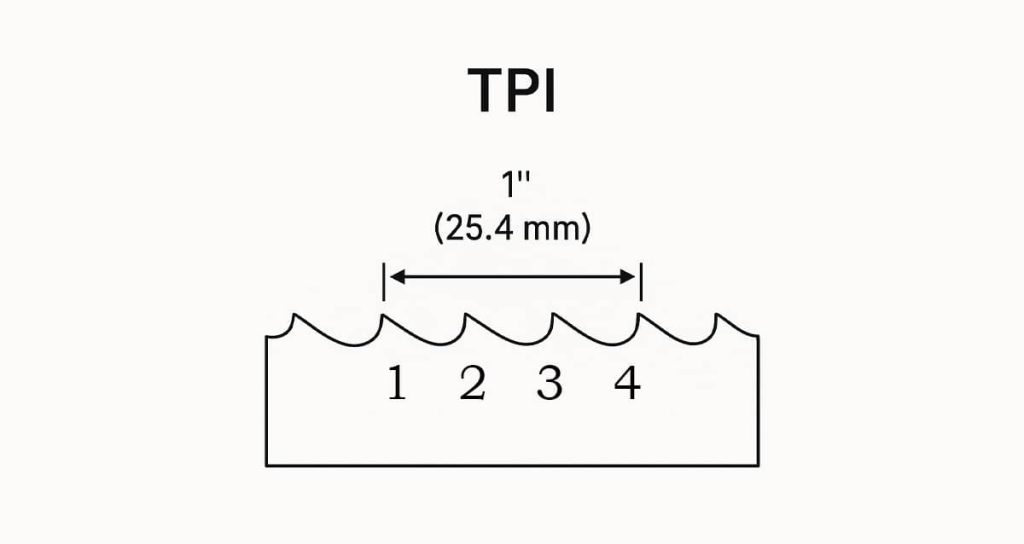
Blade width should be evaluated alongside tooth pattern, teeth per inch (TPI), and blade material. Narrow blades with fine tooth patterns are suited for curve cutting, while wider blades with coarser teeth support faster straight cuts through thicker materials.
Learn More About the Delta BS100 Bandsaw
If you use or plan to maintain a compact workshop bandsaw, visit our article “Delta BS100 Guide: Manual, Blade Size, Parts, and Common Fixes.” It explains setup details, compatible blade dimensions, replacement parts, and common adjustments to help keep your Delta BS100 operating reliably for everyday cutting tasks.
Tips for Selecting the Proper Bandsaw Blade Width
-
Identify the type of cut required
-
Confirm your saw can tension wider blades
-
Keep multiple blade widths available
-
Match blade width with the correct TPI
-
Replace worn blades as needed
Selecting the appropriate bandsaw blade width depends on the material type, cutting path, and saw capability. Using the right blade width for each application helps improve cutting efficiency, accuracy, and overall workshop performance.