Understanding the Real Question Behind the Blade Choice
When woodworkers start cutting maple on their bandsaw, the question of blade selection eventually surfaces. Carbide tipped bandsaw blades represent a significant investment compared to standard carbon steel options, and deciding whether that extra cost makes sense for cutting maple requires looking at several practical factors. The answer depends less on the wood species itself and more on your specific cutting situation, how often you use your saw, and what you’re actually trying to accomplish with each cut. Before reaching for your wallet, it helps to understand what carbide blades actually offer and whether those benefits align with your real needs in the shop.
Key Factors That Influence Blade Selection for Maple
- The condition of your maple stock, whether green logs or kiln dried boards
- Your cutting application, such as resawing thick stock versus making curved cuts
- The size and power of your bandsaw and compatible blade thicknesses
- How frequently you use your bandsaw for maple and other hardwoods
- Your risk of hitting hidden metal or debris in salvaged or yard tree wood
- Your budget and how quickly you need to recoup blade costs through longevity
What Makes Maple Different from Other Hardwoods
Maple is a moderately hard wood with a Janka hardness rating around 1450 for hard maple varieties, placing it firmly in the upper middle range of domestic species. Despite its reputation for being tough on tools during milling operations, maple actually cuts fairly cleanly on a bandsaw when compared to genuinely demanding species like hickory, osage orange, or dense exotics. The wood produces heat during cutting but doesn’t contain the silica content or abrasive qualities found in some tropical hardwoods that genuinely accelerate blade wear. For most bandsaw operators working with dry, milled maple boards, the cutting demands fall well within the capabilities of a properly tensioned carbon steel blade running at appropriate feed rates.
Why Some Woodworkers Swear by Carbide for Hardwoods
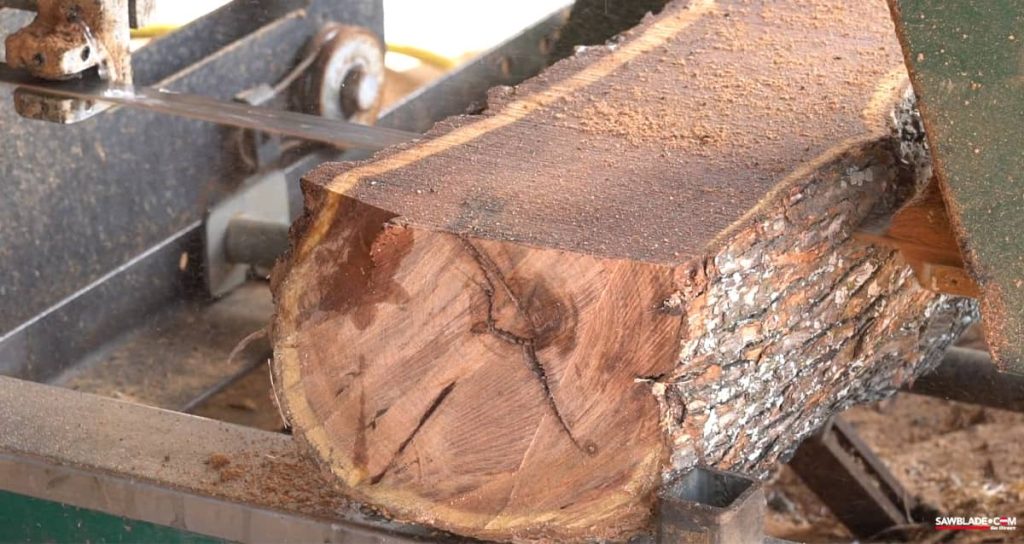
Carbide tipped bandsaw blades hold their edge significantly longer than carbon steel alternatives, which translates to more consistent cuts over extended periods without stopping to change blades. For professional shops processing large volumes of hardwood daily, the reduced downtime and improved cut quality over thousands of board feet can justify the higher initial expense. The teeth stay sharp through temperature fluctuations that would dull carbon steel teeth more quickly, and the overall blade life often extends to five or even ten times that of a comparable carbon steel blade under heavy use conditions. Woodworkers who depend on their bandsaw blades for daily production work tend to appreciate these durability characteristics most.
Blade Comparison for Typical Maple Cutting Applications
| Factor | Carbon Steel 3 TPI | Carbide Tipped 3 TPI |
| Initial Cost | $15 to $40 | $80 to $200 |
| Edge Retention | Good for 20 to 50 hours of cutting | Excellent for 100 to 300 hours |
| Maple Cutting Performance | Very good with proper setup | Excellent with minimal adjustment |
| Risk Tolerance for Hidden Metal | Low cost to replace if damaged | High cost loss if teeth are ruined |
| Resharpening Options | Limited, often replaced | Professional sharpening extends life |
| Best Suited For | Hobbyist and moderate use | High volume or production cutting |
The Budget Reality for Hobby Woodworkers
Most hobbyist woodworkers cutting maple on a 14 to 20 inch bandsaw will find that carbon steel blades deliver excellent results at a fraction of the carbide price point. A quality 3 TPI carbon steel blade designed for resawing can handle dry maple boards repeatedly without premature dulling, and even hard maple logs cut reasonably well with proper blade tension and feed rate control. Some experienced bandsaw users have reported running the same carbon steel blade for years on their home shop saws, replacing blades only when damaged or kinked rather than due to normal wear. For someone cutting maple occasionally or even regularly but not professionally, investing three to five times more in a carbide blade rarely produces proportional returns.
Situations Where Carbide Blades Make Genuine Sense
- Processing large quantities of maple weekly for furniture production or lumber milling
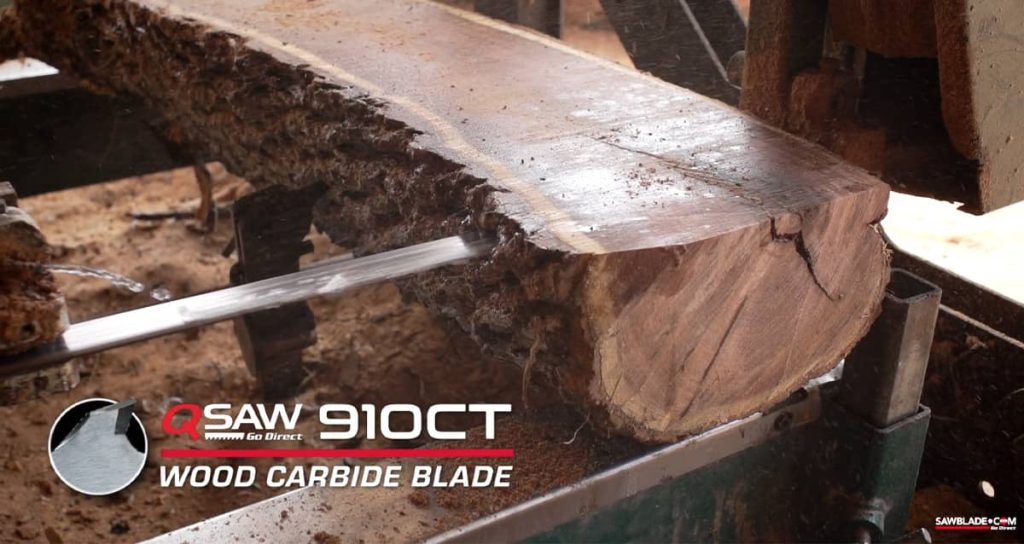
- Cutting reclaimed maple that may contain hidden nails, staples, or other metal debris
- Running a commercial operation where blade changes cost more in lost time than blade price
- Working with green maple logs that create additional heat and moisture challenges
- Needing the absolute cleanest cuts possible for veneer or precision joinery work
- Using a large industrial bandsaw designed to take full advantage of carbide performance
What Experienced Users Actually Recommend
Forum discussions among seasoned bandsaw operators reveal a consistent pattern of advice for maple cutting. The majority consensus suggests that carbide represents overkill for typical maple work, especially for hobbyists on tighter budgets using mid-sized saws like the popular 20 inch models. Several experienced woodworkers noted that they achieve excellent results with standard carbon steel bandsaw blades rated for green or dry hardwood cutting, and some even make their own blades from coil stock for just a few dollars per blade. The risk of destroying an expensive carbide blade by hitting an embedded nail in salvaged wood or accidentally kinking the blade during installation makes the investment particularly questionable for those working with yard trees or reclaimed stock.
ALSO WORTH READING
Choosing the Right Blade for Your Structural Steel Projects
If you work with structural steel regularly, having the right band saw blade makes all the difference in cut quality and efficiency. We put together a detailed guide covering the best blade options for structural steel, along with practical tips to help you get cleaner cuts and longer blade life. Whether you’re cutting I-beams, angle iron, or channel stock, you’ll find useful recommendations to match your specific needs.
Practical Steps Before Making Your Decision
- Evaluate your actual cutting volume and frequency with maple over the past year
- Consider whether you cut milled boards, logs, or a mix of both materials
- Assess the source of your maple and the likelihood of hidden metal contamination
- Check your current blade performance to determine if problems stem from blade quality or technique
- Research whether your bandsaw size and power can truly benefit from carbide blade advantages
- Calculate the cost per cut over expected blade life for both options
Matching Your Blade Choice to Your Bandsaw Setup
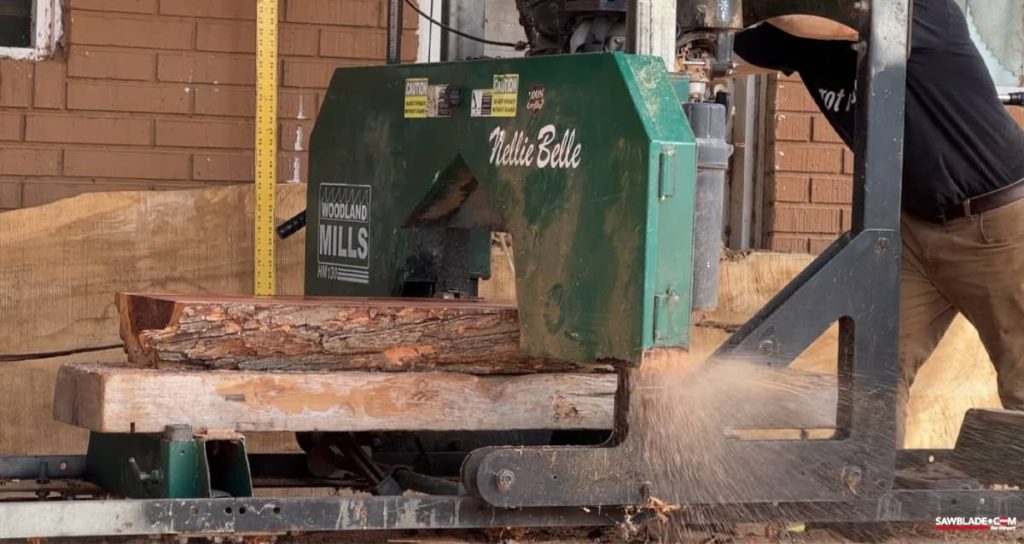
The size and capability of your bandsaw plays a significant role in whether carbide blades deliver meaningful benefits. Smaller 14 inch saws typically run thinner, narrower blades that don’t always come in carbide configurations, and even when available, the performance gains may be limited by the saw’s motor power and blade guides. Larger 18 to 24 inch saws with adequate horsepower and precision guides can better utilize the extended edge life and cutting stability that carbide tips provide. Before spending on premium blades, ensure your saw runs smoothly with proper blade tension, aligned guides, and a motor powerful enough to maintain consistent speed under load. A high quality bandsaw blade performs best when the machine supporting it operates correctly.
Signs That Your Current Blade Setup Needs Improvement
- Consistent blade drift requiring constant steering during cuts
- Burn marks on cut surfaces even at slow feed rates
- Rough or wavy cut faces that require excessive planing afterward
- Blade dulling after relatively few hours of cutting time
- Difficulty maintaining straight lines during resawing operations
- Excessive blade breakage or premature tooth loss
Making the Right Choice for Your Shop
For most woodworkers cutting maple, whether for furniture projects, turning blanks, or general millwork, a standard carbon steel bandsaw blade offers the best balance of performance, cost, and practicality. Carbide tipped blades certainly deliver superior longevity and edge retention, but these advantages matter most in high volume production environments where blades see constant use and downtime carries real costs. Hobbyists and part time woodworkers can confidently choose quality carbon steel blades, focus on proper saw setup and technique, and save their budget for other shop improvements. If your maple cutting eventually scales up to professional levels or you find yourself wearing through carbon steel blades faster than expected, carbide remains an option worth revisiting at that point.