Why Delta Benchtop Bandsaws Remain a Popular Choice for Woodworkers
Delta has been manufacturing quality power tools for decades, and their benchtop bandsaw lineup continues to attract both hobbyists and professionals seeking reliable cutting performance without sacrificing valuable shop space. Unlike full-sized floor models, a Delta benchtop bandsaw offers portability, reasonable pricing, and enough power to handle most woodworking tasks from resawing small stock to cutting intricate curves. Whether you are setting up your first workshop or adding a secondary saw to your existing setup, understanding what separates each Delta model helps you make a smarter investment. The models available range from entry-level options perfect for weekend projects to more capable machines that can handle daily use in a professional environment.
Key Features to Look for in a Delta Benchtop Bandsaw
- Motor power measured in horsepower determines cutting capability and how well the saw handles dense materials
- Throat capacity indicates the maximum width of material you can cut, typically ranging from 9 to 14 inches on benchtop models
- Maximum cutting height affects your ability to resaw lumber and work with thicker stock
- Table size and material influence stability and support during cuts
- Table tilt range allows for angled cuts, with 45 degrees being standard on most models
- Blade tensioning mechanisms vary in ease of use and precision
- Blade guide systems affect cut accuracy and blade longevity
- Dust collection ports help maintain a cleaner workspace
- Overall weight impacts portability and vibration during operation
Delta BS100 and 28-150: The Entry-Level Starting Point
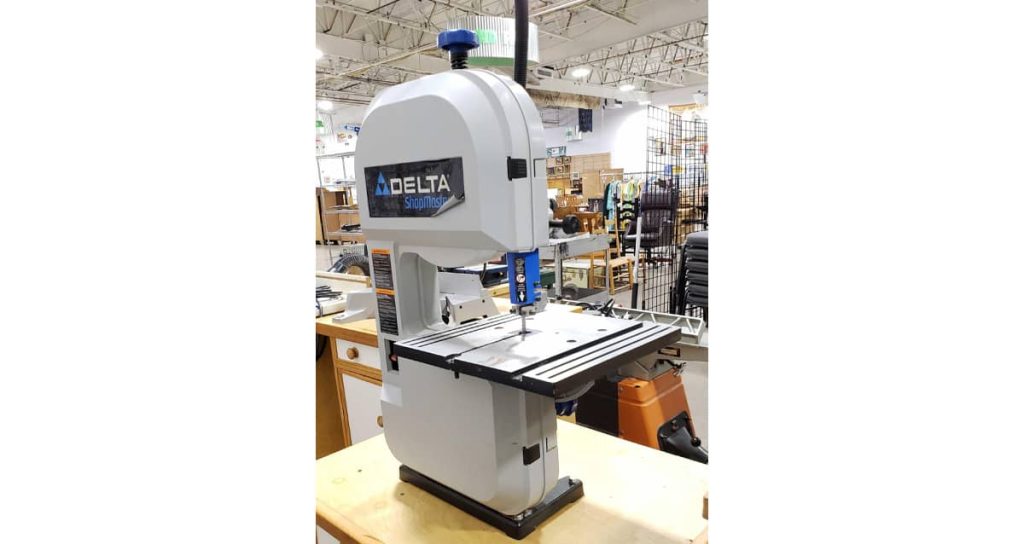
The Delta BS100, also sold as the 28-150, represents the most accessible entry into Delta benchtop bandsaw ownership. This 9-inch model runs on a 1/3 HP motor that handles softwoods, light plastics, and thin hardwoods with relative ease. The maximum cutting capacity sits at 3-5/8 inches, which works well for small scrollwork, craft projects, and light woodworking tasks. One of the standout features is the cast iron table that tilts up to 45 degrees for bevel cuts, giving you flexibility beyond straight cuts. The saw uses 59-1/2 inch blades available in 1/8, 1/4, and 3/8 inch widths, making blade replacement straightforward and affordable. This model runs quietly compared to larger saws, and with proper blade selection, it produces surprisingly clean results. However, the Shopmaster series does sit at the lower end of the quality spectrum, and many users recommend upgrading to Cool Blocks and a quality aftermarket blade to unlock better performance.
Delta 28-180: Compact Precision for Serious Hobbyists
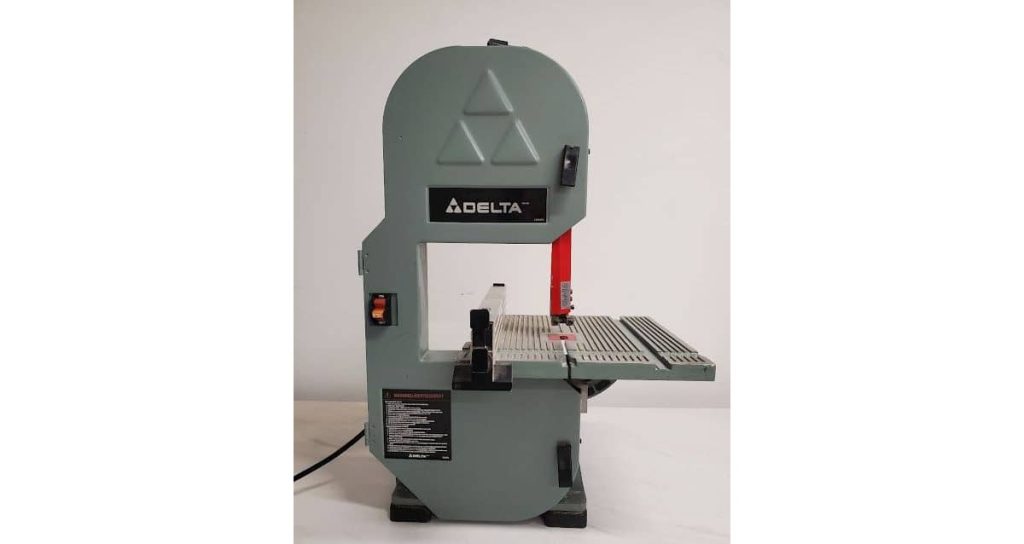
The Delta 28-180 steps up from the entry-level options with a more robust build quality and improved precision cutting capabilities. This compact mid-range model has earned a solid reputation among hobbyists who need consistent results without dedicating significant floor space to a full-sized bandsaw. The machine is compatible with various urethane band saw tires, which provide better grip and longer life compared to standard rubber tires. It accepts the Timber Wolf 56-1/8 inch blade, a popular aftermarket option known for smooth cuts and extended blade life. Interestingly, this model shares compatibility with certain Craftsman and Black and Decker machines, which expands your options for replacement parts and accessories. The 28-180 strikes a nice balance between capability and footprint, making it particularly well-suited for woodworkers who value precision but work in smaller garage or basement shops.
Delta Benchtop Bandsaw Specifications Comparison
| Model | Motor | Throat Capacity | Max Cut Height | Blade Length | Table Tilt | Best Use Case |
| BS100/28-150 | 1/3 HP | 9 inches | 3-5/8 inches | 59-1/2 inches | 0 to 45 degrees | Beginners and light hobby work |
| 28-180 | 1/2 HP | 10 inches | 4-1/2 inches | 56-1/8 inches | 0 to 45 degrees | Hobbyists needing precision |
| 28-245 | 1 HP | 14 inches | 6 inches | 93-1/2 inches | 0 to 45 degrees | Versatile mid-range projects |
Delta 28-245: Versatile Performance for Growing Workshops
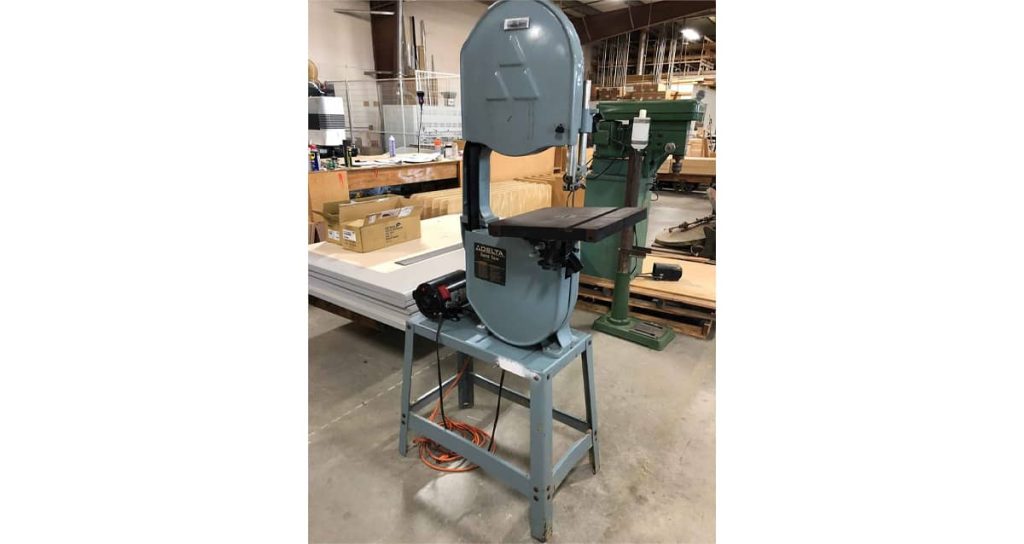
The Delta 28-245 represents the most capable benchtop bandsaw in the current Delta lineup, powered by a full 1 HP motor that significantly expands what you can accomplish. The 14-inch throat capacity opens up possibilities for both detailed scrollwork and heavier cutting tasks that would choke smaller machines. This model bridges the gap between compact benchtop convenience and the capability you would expect from a floor-standing unit. The cast iron construction reduces vibration and adds stability during operation, which translates to cleaner cuts and less blade wander. For woodworkers who have outgrown entry-level tools but are not ready to commit to a large floor model, the 28-245 offers an appealing middle ground. The increased power means you can tackle hardwoods and thicker stock with confidence, while the benchtop format keeps your shop layout flexible.
How to Choose the Right Delta Benchtop Bandsaw for Your Needs
- Evaluate the types of projects you work on most frequently and match the throat capacity to your typical material widths
- Consider how often you work with hardwoods versus softwoods when selecting motor power
- Factor in your available workspace and whether portability matters for your setup
- Think about future projects and whether you might outgrow an entry-level model within a year or two
- Check blade availability and pricing for each model before purchasing
- Read user reviews focusing on long-term reliability rather than initial impressions
- Determine if you have existing accessories or blades that might be compatible with certain models
Blade Selection Tips for Delta Benchtop Bandsaws
Selecting the right blade dramatically affects cutting performance regardless of which Delta benchtop bandsaw you own. For general woodworking, a 1/4 inch blade with 6 teeth per inch provides a good balance between curve-cutting ability and straight-line stability. Narrower blades like 1/8 inch work better for tight radius cuts and scrollwork, while 3/8 inch blades offer more beam strength for resawing and ripping operations. Blade tooth count matters too, with higher tooth counts producing smoother cuts in thinner materials and lower counts clearing sawdust more efficiently in thicker stock. Many experienced users recommend investing in quality aftermarket blades for better results than what ships with the saw. Timber Wolf and other premium blade manufacturers offer significant improvements in cut quality, blade life, and reduced blade drift compared to stock options.
ALSO WORTH READING
Understanding Blade Tooth Patterns
If you want to get the best cuts from your band saw, choosing the right blade goes beyond just picking a size. The way teeth are arranged on a blade affects everything from cut quality to how long the blade lasts. Our guide on Band Saw Blade Set Explained: Why Tooth Pattern Matters breaks down the different tooth patterns and helps you figure out which one works best for your projects.
Common Upgrades and Modifications Worth Considering
- Replace stock blade guides with Cool Blocks or ceramic guides for reduced friction and longer blade life
- Upgrade to urethane tires for better grip and extended service intervals
- Add an aftermarket fence system if you plan to do significant resawing work
- Install a shop vacuum adapter for improved dust collection
- Consider a mobile base if you need to move the saw around your workspace
- Replace the stock blade immediately with a quality aftermarket option
- Add auxiliary lighting to improve visibility at the cut line
- Upgrade the miter gauge if precision crosscuts are part of your workflow
Maintenance Practices That Extend Your Saw’s Lifespan
Keeping your Delta benchtop bandsaw running smoothly requires consistent attention to a few basic maintenance tasks. Clean sawdust from the wheel housings and guides after each use to prevent buildup that can affect blade tracking and cutting accuracy. Check blade tension before starting any cutting session, as blades naturally lose tension over time and loose blades produce poor results while wearing out faster. Inspect the tires periodically for cracks, glazing, or flat spots that can cause tracking problems. Lubricate moving parts according to the manual, paying particular attention to the table tilt mechanism and any adjustment knobs. The blade guides and thrust bearings deserve regular inspection, as worn components lead to blade wander and premature blade failure. Maintaining sharp blades and proper alignment ensures consistent performance and safer operation over the long term.
Pros and Cons of Delta Benchtop Bandsaws Overall
- Pro: Compact footprint makes them suitable for small workshops and garage setups
- Pro: Lower price point compared to full-sized floor models
- Pro: Established brand with available replacement parts and documentation
- Pro: Adequate power for most hobby and light professional applications
- Con: Entry-level models require upgrades to reach full potential
- Con: Limited resaw capacity compared to larger bandsaws
- Con: Some models in the Shopmaster series show lower build quality
- Con: Motor power restricts heavy-duty hardwood work on smaller models
Final Thoughts on Finding Your Ideal Delta Benchtop Bandsaw
Choosing the best Delta benchtop bandsaw comes down to honestly assessing your project requirements, available space, and budget constraints. The BS100 and 28-150 serve beginners and light-duty users well, especially when paired with blade and guide upgrades that address their limitations. The 28-180 hits a sweet spot for hobbyists who value precision and build quality in a manageable package. For those needing more capability without jumping to a floor model, the 28-245 delivers impressive versatility with its 1 HP motor and 14-inch throat capacity. Regardless of which model you select, investing in quality blades and performing regular maintenance will maximize your saw’s performance and longevity. Take time to consider how your woodworking needs might evolve, and choose a model that can grow with your skills rather than one you will outgrow within months.