Understanding the Real Limits of Bandsaw Mill Performance
Every sawmill operator eventually hits a wall where their equipment stops performing as expected, and the natural question becomes whether to invest in better blades or mechanical improvements. The answer is rarely straightforward because bandsaw mill performance depends on a complex relationship between power output, blade characteristics, and cutting demands. Many operators discover through frustrating experience that throwing more horsepower at a problem does not automatically translate to cleaner cuts or faster production. This guide breaks down when blade selection makes the biggest difference, when mechanical upgrades are worth the investment, and how to evaluate both options based on your specific milling situation. Understanding these factors can save you thousands of dollars and countless hours of troubleshooting.
Signs Your Bandsaw Mill Needs Attention
- Boards coming off the mill with inconsistent thickness across the width
- Visible blade deflection during cuts, especially on wider stock
- Burn marks on lumber surfaces indicating excessive friction or dull teeth
- Motor bogging down or struggling to maintain speed under load
- Excessive blade breakage or premature tooth wear
- Wavy cut patterns that require heavy cleanup passes
- Increasing kerf loss beyond the blade specification
- Unusual vibration or noise during normal operation
Why Horsepower Alone Cannot Fix Every Cutting Problem
One of the most persistent myths in sawmill operation is that adding more horsepower will solve accuracy issues. Commercial bandsaw mills typically run between 7 HP on the lighter end up to 62 HP for diesel-powered industrial units, and that range exists for good reason. However, operators running 8 HP factory mills often report struggling with 20-inch oak logs, which demonstrates that power requirements scale directly with both width and wood hardness. The resistance a blade encounters once it enters solid wood is dramatically different from free-spinning the wheels, similar to the difference between swinging a handsaw through air versus pushing it through five inches of dense hardwood. Power upgrades help, but they cannot compensate for blade limitations or mechanical deficiencies in the mill frame itself.
How Blade Deflection Undermines Accuracy on Wide Cuts
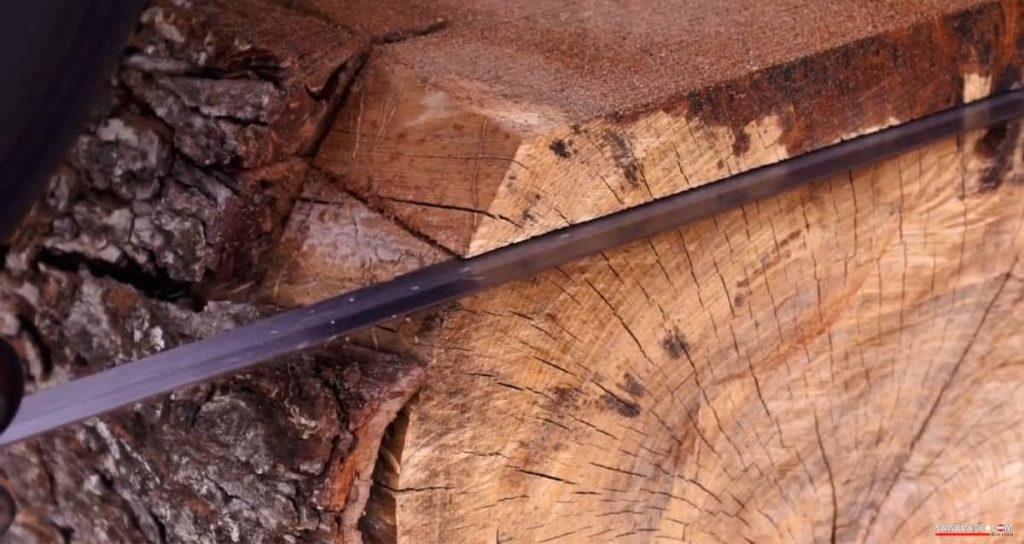
Blade deflection represents one of the most frustrating mechanical challenges for bandsaw mill operators working with wider stock. On cuts approaching 16 inches or more, a standard blade can deflect up to three-quarters of an inch, resulting in boards that measure one inch thick on one edge and five-eighths inch on the other. This inconsistency forces many experienced operators to cut oversized lumber, targeting 1 1/8 inch thickness to allow for cleanup rather than trusting the blade to hold a true one-inch line. The physics behind this deflection involve blade width, tension, tooth geometry, and the density of the material being cut. Attempting to mill slabs in the four to five foot range would require industrial equipment with blades roughly a foot wide, which places that capacity well beyond typical small-scale or budget mill territory.
Comparing Blade Upgrades vs. Mechanical Improvements
| Factor | Blade Upgrade Impact | Mechanical Upgrade Impact |
| Initial Cost | Lower upfront investment | Higher upfront investment |
| Installation Time | Minutes to change blades | Hours to days for major work |
| Cut Quality Improvement | Immediate and noticeable | Gradual improvement over time |
| Hardwood Performance | Significant with premium blades | Moderate without blade changes |
| Wide Stock Capability | Limited by blade width | Requires both blade and frame work |
| Heat Resistance | Major improvement with bi-metal | Minor improvement from cooling systems |
| Long-term Value | Ongoing blade costs | One-time investment with maintenance |
| Downtime Required | Minimal | Substantial during installation |
When Premium Blades Make the Biggest Difference
The situations where upgrading your bandsaw mill blade delivers the most significant return involve cutting dense hardwoods at high feed rates or extended production runs. Premium resaw blades designed specifically for sawmill applications can handle the heat buildup and stress that destroys standard blades within hours. Bi-metal construction, which bonds high-speed steel teeth to a flexible spring steel back, provides both the cutting edge durability and the body flexibility needed for demanding mill work. These blades maintain their set longer, resist heat-related softening, and deliver consistent cuts that reduce waste lumber. For operations running multiple shifts or processing hardwood species like oak, hickory, or hard maple, the extended blade life alone often justifies the higher purchase price compared to economy blades.
Matching the Blade to the Job: Qsaw 905 vs. Qsaw 906
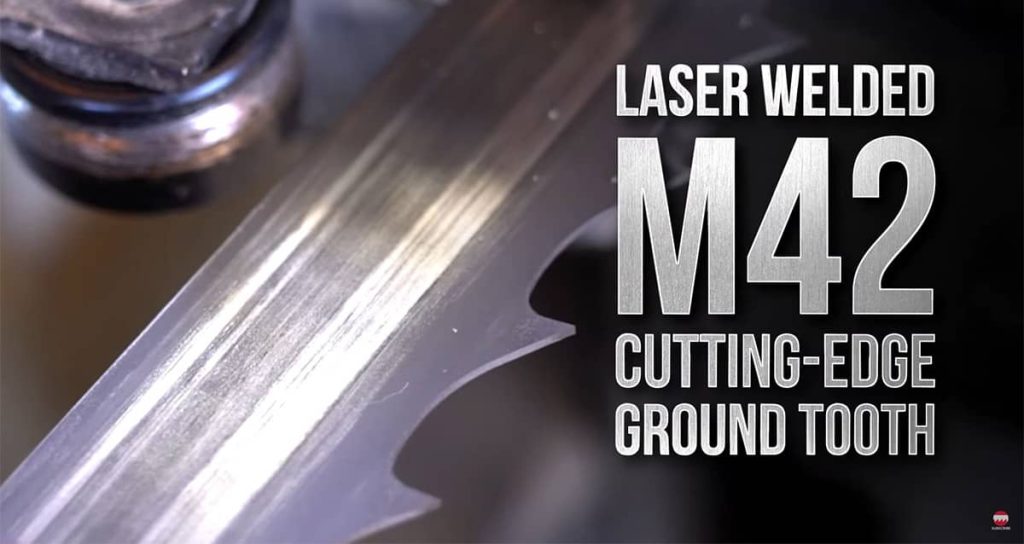
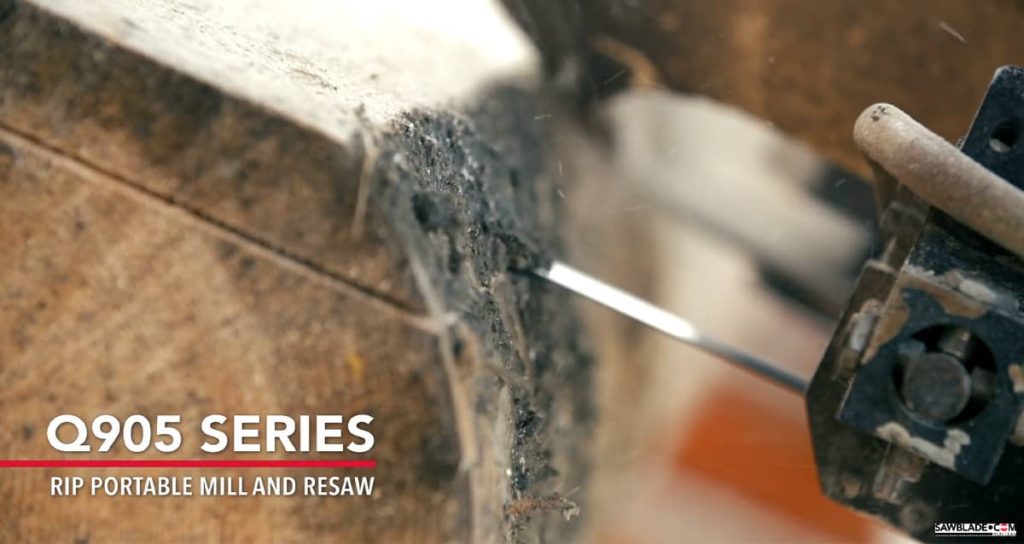
Blade selection on a bandsaw mill is not a one-size-fits-all decision, and choosing correctly can matter more than any hardware upgrade. The Qsaw 905 is purpose-built as a resaw and rip saw blade, designed to hold up under high feed rates and hardwood cutting while maintaining the precision portable sawmill operators depend on. For shops looking to push further into industrial-grade territory, the Qsaw 906 bi-metal blade adds heat resistance and extended durability, cutting cleanly through both hardwood and softwood while reducing how often blades need to be swapped out. Choosing between the two comes down to workload: the 905 for dependable resaw and rip cutting, the 906 for higher-volume, heat-intensive production runs.
Mechanical Upgrades Worth Considering
- Blade guide systems with precision roller bearings for reduced deflection
- Tensioning systems with accurate gauges for consistent blade pressure
- Drive wheel alignment tools and professional setup services
- Upgraded hydraulic feed systems for smoother, more controlled cuts
- Track leveling and mill bed alignment for consistent cutting height
- Motor or engine replacement with appropriately matched horsepower
- Blade wheel crown refinishing for proper blade tracking
- Cooling and lubrication systems for reduced friction and heat
Understanding Blade Specifications for Mill Applications
Selecting the right blade involves more than matching the length to your mill wheels. Tooth pitch, which refers to the number of teeth per inch, determines how aggressively the blade removes material and how well it clears sawdust from the cut. Wider blades resist deflection better but require more tension and larger wheels to operate correctly. Blade thickness affects both flexibility and durability, with thicker blades lasting longer but requiring more power to drive. The tooth set, meaning how far the teeth bend outward from the blade body, controls kerf width and chip clearance. For sawmill operators cutting hardwood regularly, understanding these specifications helps match blade selection to specific cutting demands rather than relying on generic all-purpose blades.
ALSO WORTH READING
Give Your Vintage Bandsaw New Life
If you’re working with an older bandsaw and wondering whether it’s worth keeping, you might be surprised by what a few upgrades can do. Our guide on upgrading old bandsaws walks you through practical improvements that can bring classic machines up to modern standards. From blade guides to motor swaps, there are plenty of ways to get excellent performance without buying new.
Common Mistakes That Waste Money on Upgrades
- Installing premium blades without addressing underlying tension or tracking issues
- Upgrading motor horsepower before checking blade condition and sharpness
- Ignoring blade wheel alignment while focusing on cosmetic improvements
- Purchasing blade widths inappropriate for the mill wheel diameter
- Skipping regular maintenance while investing in expensive new components
- Choosing blades based solely on price rather than application suitability
- Attempting wide slab cuts on equipment not designed for that capacity
- Neglecting coolant or lubrication systems that extend blade life
Matching Your Upgrade Strategy to Your Milling Goals
Your upgrade priorities should flow directly from what you actually cut and how often you run your mill. Hobby sawyers processing occasional softwood logs for personal projects face completely different demands than commercial operators running hardwood eight hours daily. A weekend miller cutting pine and poplar can often achieve excellent results with mid-range blades and a well-tuned factory mill. Commercial hardwood operations benefit most from high-quality sawmill blades combined with precision blade guide systems that minimize deflection under load. Those attempting to push small mills beyond their design limits, such as cutting four-foot slabs with equipment rated for two-foot capacity, will find that no combination of blades or upgrades can overcome fundamental engineering constraints.
Alternative Approaches for Oversize Cutting
- Chainsaw mills like the Granberg design can handle cuts up to 84 inches wide
- Swing blade sawmills offer different geometry for wide stock
- Large-format industrial bandsaws with proportionally wider blades
- Quartersawing techniques that reduce individual cut width requirements
- Partnership arrangements with commercial mills for occasional oversize work
- Mobile sawmill services that bring industrial capacity to your location
Making the Right Investment Decision for Your Operation
The choice between blade improvements and mechanical upgrades ultimately depends on diagnosing the actual source of your performance problems. If your cuts are clean at the start but deteriorate as the blade heats up, premium bi-metal blades with better heat resistance will likely solve the issue. If you see consistent deflection regardless of blade condition, your guides, tension system, or frame rigidity need attention first. Most experienced sawmill operators eventually settle on a combined approach: maintaining their mechanical systems properly while running quality blades matched to their typical cutting demands. The operators who struggle most are those who chase one upgrade after another without understanding why their mill underperforms. Taking time to observe your cuts carefully, measure actual blade deflection, and document when problems occur will point you toward the upgrade that actually matters.