What Is a Band Saw Blade Set and Why Should You Care?
When you’re cutting metal or wood with a band saw, the blade set is one of the most overlooked factors that directly affects your results. A band saw blade set refers to the positioning and angle of the teeth along the blade, and it determines how the blade clears material, manages heat, and produces a clean cut. Choosing the wrong blade set for your application leads to premature wear, rough edges, and wasted time. Understanding how tooth patterns work gives you a real advantage when selecting blades for specific materials and cutting conditions. Whether you’re processing structural steel, cutting bundles, or working with exotic alloys, the blade set you choose makes a measurable difference in cut quality and blade life.
The Three Main Types of Band Saw Blade Sets
- 420 Set: Features teeth positioned at alternating angles, commonly used on bi-metal blades for general metal cutting applications including carbon steel, chrome steel, tool steel, and stainless steel
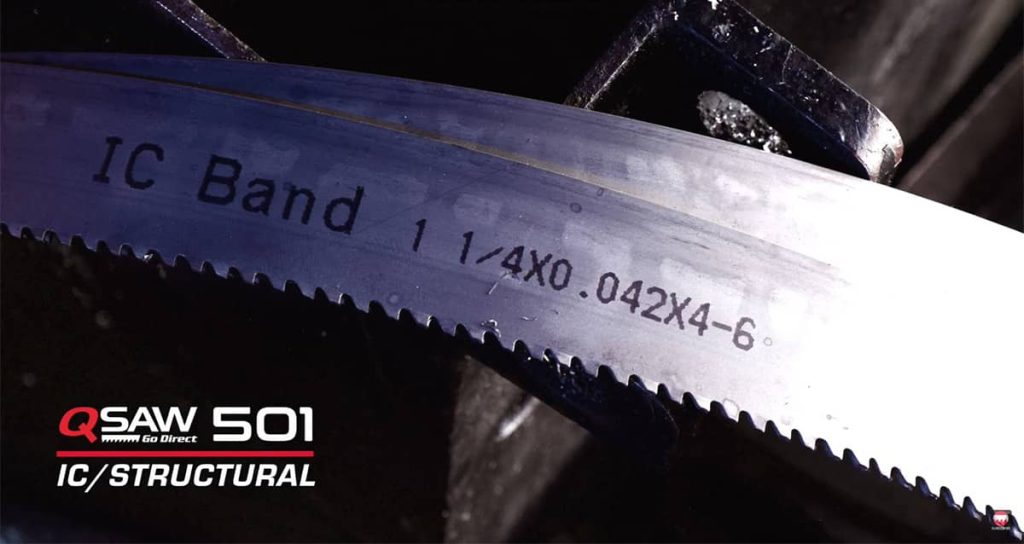
- IC Wide Set: Designed with robust, heat-treated teeth for heavier operations such as cutting bundles, solids, and structural steels where more aggressive chip clearance is needed
- Triple Chip Set: Teeth are ground to create a positive rake angle, producing smoother cuts and superior fatigue resistance for demanding materials like high nickel alloys, titanium, inconel, and composite steels
How the 420 Blade Set Handles Everyday Metal Cutting
The 420 blade set is your go-to option for standard metal cutting work. Its alternating tooth angles create efficient chip clearance while maintaining a balance between cutting speed and surface finish. This pattern works particularly well on bi-metal blades, making it suitable for a wide range of applications including pipe, tube, and structural profiles. When you’re cutting carbon steel, chrome steel, tool steel, or stainless steel, the 420 set provides consistent performance without requiring constant blade changes. Most shops keep blades with this tooth pattern on hand because they handle the majority of daily cutting tasks reliably. The alternating angles also help distribute wear across multiple teeth, extending blade life during repetitive operations.
When to Choose an IC Wide Set for Heavy Operations
If your work involves cutting bundles, large solids, or heavy structural steels, the IC Wide Set blade set delivers the cutting power these applications demand. The teeth on these blades receive heat treatment to increase their durability and resistance to the stresses of aggressive cutting. This wider tooth arrangement creates larger chip pockets, allowing the blade to clear material faster and reducing the risk of chip packing that causes binding and premature blade failure. Fabrication shops handling inventory steel, structural beams, or bundled bar stock often rely on IC Wide Set blades because they maintain their edge longer under heavy loads. The additional tooth strength also means fewer interruptions for blade changes during high-volume production runs.
Band Saw Blade Set Comparison Table
| Blade Set Type | Best Applications | Material Compatibility | Key Characteristics |
| 420 | General metal cutting, pipe, tube, structural work | Carbon steel, chrome steel, tool steel, stainless steel | Alternating tooth angles, good chip clearance, balanced performance |
| IC Wide Set | Bundles, solids, heavy structural cutting | Structural steels, solid bar stock, bundled materials | Heat-treated teeth, wider set for aggressive chip removal, high durability |
| Triple Chip | Precision cutting of difficult alloys | High nickel alloys, titanium, inconel, composite steels | Positive rake angle, smoother finish, superior fatigue resistance |
Triple Chip Blade Set for the Toughest Materials
When you encounter materials that destroy ordinary blades, the triple chip blade set becomes your best option. The teeth are ground to produce a positive rake angle, which reduces cutting forces and generates less heat during operation. This design delivers smoother cuts and significantly better fatigue resistance compared to standard patterns. Shops working with aerospace materials, medical grade alloys, or specialty steels often specify triple chip blades because they maintain cutting accuracy through demanding jobs. High nickel alloys, titanium, inconel, and composite steels all respond well to this tooth configuration. While triple chip blades typically cost more than standard options, their performance on difficult materials justifies the investment through improved cut quality and reduced blade consumption.
Signs You’re Using the Wrong Band Saw Blade Set
- Excessive vibration or noise during cutting that wasn’t present with previous blades
- Rough cut surfaces requiring additional finishing work
- Blade teeth wearing unevenly or chipping prematurely
- Chips packing in the gullets and causing the blade to bind
- Significantly shorter blade life than expected for the material being cut
- The blade wandering or drifting away from the cut line
- Burn marks on the cut surface indicating excessive heat buildup
How Blade Set Affects Cut Quality and Finish
The relationship between blade set and cut quality is direct and predictable. A wider tooth set removes more material with each pass, creating a wider kerf but potentially rougher surface. Narrower sets produce finer finishes but may struggle with chip evacuation in demanding applications. The angle at which teeth are positioned affects how they engage the workpiece and how cleanly they exit the cut. Positive rake angles, like those found on triple chip blades, slice through material more smoothly than neutral or negative angles. When surface finish matters for your application, selecting the appropriate blade set eliminates secondary operations like grinding or deburring. Matching the blade set to both your material and your finish requirements saves time and produces more consistent results.
ALSO WORTH READING
Get More Accurate Cuts from Your Bandsaw
If you’re working on improving your bandsaw setup, vise alignment is another area that can make a real difference in your results. A misaligned vise often causes crooked cuts and wasted material, but the fix is usually straightforward once you know what to look for. Check out our guide on Bandsaw Vise Alignment: Simple Steps for More Accurate Cutting to walk through the process step by step.
Tips for Extending Band Saw Blade Life Based on Set Type
- Run 420 set blades at moderate speeds and feeds to balance cutting rate with tooth longevity
- Allow IC Wide Set blades to clear chips fully by using appropriate feed rates for the material thickness
- Use proper coolant concentration and flow when running triple chip blades on exotic alloys
- Break in new blades at reduced feed rates for the first several cuts to condition the teeth
- Inspect blade tension regularly since improper tension accelerates wear regardless of blade set type
- Match blade pitch to material thickness so enough teeth remain engaged throughout the cut
- Store blades properly when not in use to prevent damage to the tooth set pattern
Material Thickness and Blade Set Selection
Choosing the right band saw blade set also depends on the thickness of material you’re cutting. Thicker materials generally benefit from wider tooth sets that clear chips efficiently and prevent heat buildup in the cut zone. Thin materials, particularly tubing and sheet stock, require finer tooth patterns to maintain enough teeth in contact with the workpiece. When cutting variable thicknesses throughout your day, consider how each blade set performs across your typical range of work. Some shops maintain multiple blade options specifically because their material mix varies significantly. Testing different blade sets on your most common applications helps you identify which patterns deliver the best combination of speed, finish, and blade life for your specific needs.
Common Mistakes When Selecting a Band Saw Blade Set
- Choosing the cheapest blade without considering how the tooth pattern matches the application
- Using a fine tooth set on thick solids where chip packing becomes a problem
- Running aggressive wide set blades on thin materials that need more teeth in contact
- Ignoring manufacturer recommendations for specific blade sets and materials
- Failing to adjust machine parameters when switching between different blade set types
- Continuing to use worn blades rather than replacing them and risking damage to workpieces
- Assuming one blade set works equally well for all materials in the shop
Getting the Most From Your Band Saw Blade Set
Understanding how band saw blade sets work transforms blade selection from guesswork into a practical decision based on your actual cutting needs. The 420 set handles everyday metal cutting with reliable consistency. IC Wide Set blades tackle heavier operations where standard patterns would fail quickly. Triple chip configurations deliver precision results on materials that challenge other blade designs. By matching the tooth pattern to your material, thickness, and finish requirements, you reduce operating costs and improve output quality. Take time to evaluate your current blade choices against the applications running through your shop. Small adjustments in blade set selection often produce noticeable improvements in both productivity and the finished results your customers receive.