Why the Right Structural Steel Band Saw Blade Makes All the Difference
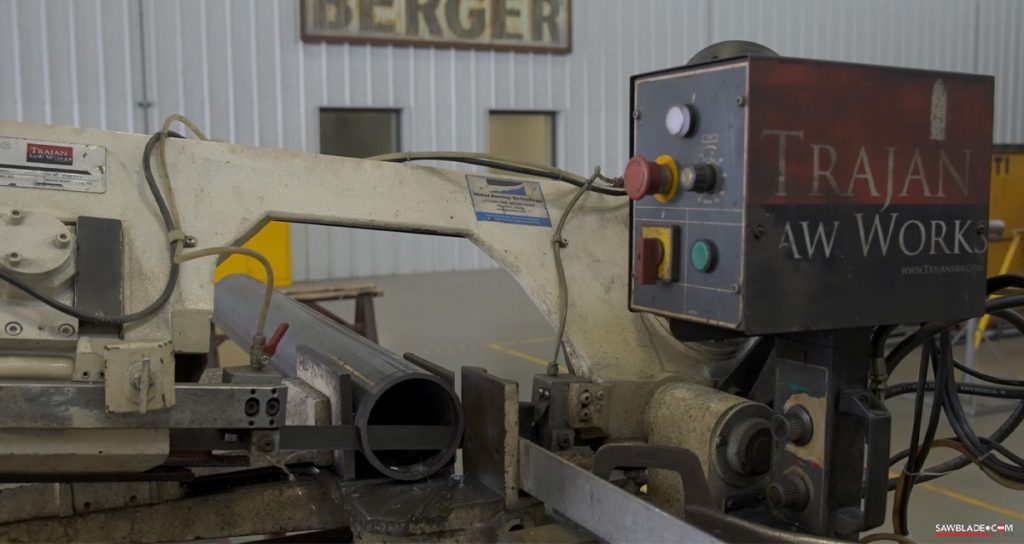
Cutting structural steel presents unique challenges that general purpose blades simply cannot handle effectively. When you are working with beams, channels, tubing, and pipe, the cross-section changes constantly throughout each cut, placing irregular stress on the blade teeth. This variation causes standard blades to overfeed, strip teeth, or produce rough cuts that require extensive secondary finishing. Choosing a structural steel band saw blade designed specifically for these applications transforms your cutting operation, reducing downtime, lowering your cost per cut, and delivering cleaner results that move straight to fabrication. Whether you run a small welding shop or manage a high-volume steel fabrication facility, understanding what makes these specialized blades perform can significantly impact your productivity and bottom line.
Key Features to Look for in Structural Steel Band Saw Blades
- M-42 cobalt high-speed steel edge material for superior heat and wear resistance
- Alloy steel backer that resists fatigue during extended cutting sessions
- Wide set tooth profiles designed for aggressive material removal
- Interrupted cut tooth designs that handle varying cross-sections without stripping
- Precision-ground tooth geometry that maintains consistent chip load
- Variable pitch configurations like 5/7 or 8/11 TPI for vibration reduction
- Heat treatment processes that eliminate break-in cutting requirements
- Compatibility with both manual and automated band saw machines
Understanding Interrupted Cut Tooth Design for Structural Applications
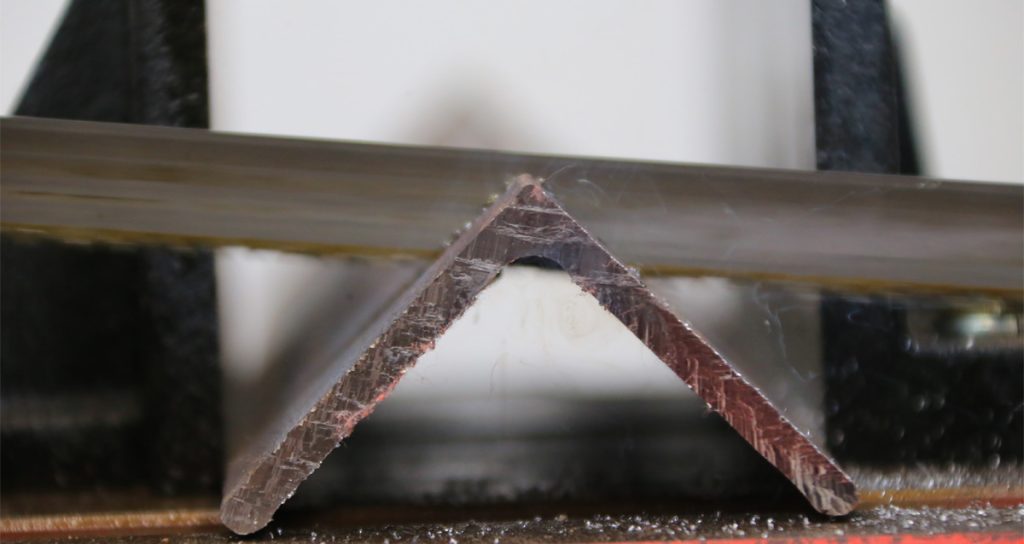
The interrupted cut tooth pattern stands out as one of the most effective designs for structural steel cutting. Unlike conventional tooth arrangements where every tooth engages the material uniformly, IC designs feature gaps or modified teeth at regular intervals along the blade. This configuration prevents the over-feeding problem that occurs when blades transition from thick to thin sections of a beam or channel. The result is smoother cutting action with less vibration, reduced noise, and dramatically longer blade life. Fabricators who switch to IC blades often report that their operators experience less fatigue during shifts because the cutting process becomes more predictable and controlled.
How M-42 Cobalt Steel Outperforms Standard Blade Materials
M-42 cobalt high-speed steel contains approximately 8 percent cobalt, which gives it exceptional red hardness and the ability to maintain a sharp cutting edge even when temperatures climb during aggressive cuts. Standard carbon steel or basic bi-metal blades begin losing their temper at much lower temperatures, leading to premature dulling and tooth failure. When cutting structural steel at production speeds, blade temperatures can spike rapidly, especially when the saw transitions through thick flanges. The right band saw blade built with M-42 material handles these thermal spikes without degradation, allowing you to push feed rates higher while maintaining cut quality and extending intervals between blade changes.
Structural Steel Band Saw Blade Specifications Comparison
| Feature | Entry-Level Bi-Metal | Standard Structural | Premium IC Structural (Q501) |
| Edge Material | M-3 HSS | M-42 HSS | M-42 Cobalt HSS |
| Backer Type | Standard Spring Steel | Alloy Steel | Fatigue-Resistant Alloy |
| Tooth Design | Standard Set | Wide Set | Wide Set with IC Pattern |
| Break-In Required | Yes, 100+ sq inches | Yes, 50+ sq inches | No Break-In Needed |
| Best Application | Light Structural | Medium Production | High-Volume Fabrication |
| Typical Blade Life | 80-120 cuts | 150-200 cuts | 250-400+ cuts |
| Vibration Level | Moderate to High | Moderate | Low |
| Noise During Cut | High | Moderate | Reduced |
Matching Blade Width to Your Band Saw Machine
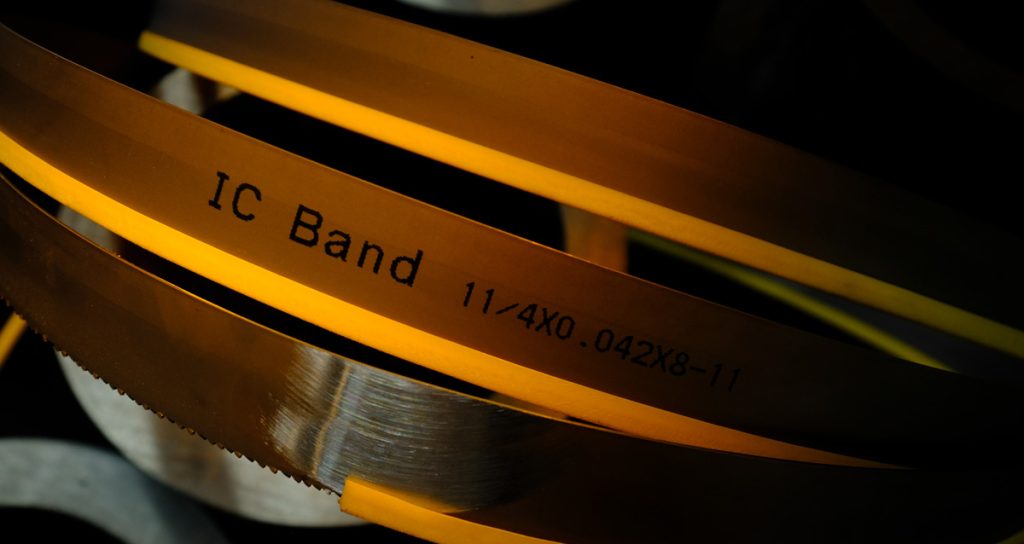
Blade width selection depends on your machine specifications and the type of cuts you need to make. Wider blades, typically ranging from 1 inch to 2 inches, provide greater beam strength and resist deflection better during straight cuts through heavy structural members. These wider profiles track more consistently and handle the stress of high feed pressures without wandering. Narrower blades offer more flexibility for contour cutting but sacrifice some rigidity. For dedicated structural cutting where straight, square cuts are standard, selecting the widest blade your machine accepts will deliver the most accurate results. Always verify your band saw’s wheel diameter and blade tension capacity before ordering to ensure proper fit and performance.
Common Mistakes That Shorten Structural Steel Blade Life
- Running blade speeds too high for the material thickness being cut
- Using incorrect feed pressure that causes tooth stripping or glazing
- Neglecting coolant flow during cuts, leading to excessive heat buildup
- Failing to check blade tension before each cutting session
- Continuing to cut after hearing unusual vibration or scraping sounds
- Storing blades improperly where they can develop rust or kinks
- Using the wrong TPI configuration for the material cross-section
- Skipping break-in procedures on blades that require them
The Role of Variable Pitch in Reducing Vibration and Noise
Variable pitch blades alternate between different tooth spacing patterns along the blade length, typically expressed as ranges like 5/7 or 8/11 teeth per inch. This variation disrupts harmonic vibration that occurs when evenly spaced teeth strike the material at regular intervals. For structural steel cutting, where the blade constantly enters and exits material sections of different thicknesses, these harmonics can become severe. The result of unchecked vibration includes loud cutting noise, premature tooth chipping, and rough cut surfaces. Variable pitch patterns break up these resonance cycles, creating a quieter operation and protecting tooth integrity. Operators working near band saws appreciate the noise reduction, and the improved cut quality means less grinding and finishing work afterward.
ALSO WORTH READING
Improve Your Bandsaw Setup
If you’re looking to get cleaner, more precise cuts from your bandsaw, proper setup makes all the difference. Our guide on How to Set Up a Jet 14″ Bandsaw for Better Cutting Accuracy walks you through the key adjustments that can transform your results. Whether you’re dealing with blade drift or just want tighter tolerances, you’ll find practical steps you can apply right away.
Setting Up Your Band Saw for Optimal Structural Steel Cutting
- Position the blade guides as close to the workpiece as possible without contact
- Verify blade tension using a tension gauge rather than relying on visual inspection
- Set the appropriate blade speed for the steel grade, typically 150 to 250 surface feet per minute
- Adjust coolant nozzles to flood both sides of the blade at the cut point
- Secure the workpiece firmly to prevent movement or vibration during the cut
- Select a feed rate that produces consistent, curled chips rather than powder or strings
- Allow the blade to reach full speed before engaging the material
- Inspect blade welds and backing condition before starting production runs
Why Blade Break-In Procedures Matter for Most Blades
Most bi-metal band saw blades arrive from manufacturing with extremely sharp tooth tips that can chip or fracture if subjected to full cutting pressure immediately. The standard break-in process involves running the blade at reduced feed rates for the first several cuts, allowing the tooth edges to develop a slight radius that strengthens them against shock loading. Skipping this step often leads to rapid tooth loss and shortened blade life. However, some premium structural blades, like the Q501 IC M-42, undergo special heat treatment and processing during manufacturing that eliminates this requirement. These specialized structural steel band saw blades allow fabricators to start cutting at full production rates immediately, saving valuable setup time in busy shops where every minute counts.
Signs Your Structural Steel Band Saw Blade Needs Replacement
- Cutting times have increased noticeably compared to a new blade
- Cut surfaces show rougher finish quality or more pronounced saw marks
- The blade produces excessive noise or vibration during cuts
- Chips appear powdery or discolored instead of curled and silver
- Visible tooth damage including missing, chipped, or worn teeth
- The blade tracks poorly despite correct tension and guide adjustment
- Burn marks appear on cut surfaces or the blade itself
- Cuts drift from square even with properly secured workpieces
Making Smart Purchasing Decisions for Your Shop
Selecting the right structural steel band saw blade involves balancing upfront cost against total cutting cost over the blade’s service life. A blade that costs twice as much but delivers four times the cuts represents genuine value. Consider your typical cutting volume, the types of structural shapes you process most frequently, and whether your operation runs manual or automated equipment. High-quality band saw blades for structural applications like the Q501 IC M-42 offer significant advantages for shops cutting beams, tubing, channels, and pipe on a regular basis. The combination of M-42 cobalt edge material, fatigue-resistant backing, and IC tooth design addresses the specific challenges of structural cutting in ways that general purpose blades cannot match.
Getting the Most From Your Structural Steel Cutting Operation
Investing in the right structural steel band saw blade represents just one part of an efficient cutting operation, but it forms the foundation for everything else. When your blade performs consistently, your operators can focus on throughput rather than troubleshooting problems. Clean cuts reduce secondary processing time and keep projects moving on schedule. Longer blade life means fewer changeovers and lower consumable costs. Take time to evaluate your current blade performance, consider whether upgraded options might improve your results, and pay attention to the setup and maintenance practices that maximize blade longevity. The difference between adequate cutting and excellent cutting often comes down to these details, and shops that get them right enjoy measurable advantages in productivity, quality, and profitability.