Why Proper Vise Alignment Matters for Every Cut
If you have ever run a piece of stock through your bandsaw only to find the cut wandering off at an angle, there is a good chance your vise alignment was the culprit. A misaligned vise forces material to feed at an angle, which means wasted material, uneven surfaces, and extra time spent cleaning up cuts that should have been straight from the start. Taking just a few minutes to properly align your bandsaw vise can dramatically improve cut quality and reduce material waste. This simple maintenance task is often overlooked, but experienced operators know that vise alignment is one of the most cost-effective ways to improve bandsaw performance without spending a dime on new equipment.
Signs Your Bandsaw Vise Needs Realignment
- Cuts consistently drift to one side even when blade tension is correct
- Finished pieces show an angled face rather than a flat, perpendicular surface
- You notice increased blade wear on one side of the teeth
- Material seems to shift or rotate slightly during cutting
- Repeated cuts on identical stock produce inconsistent lengths
- The blade exits the material at a different point than where it entered
- You hear unusual sounds as the blade engages the workpiece
Check Your Blade Guides Before Adjusting the Vise
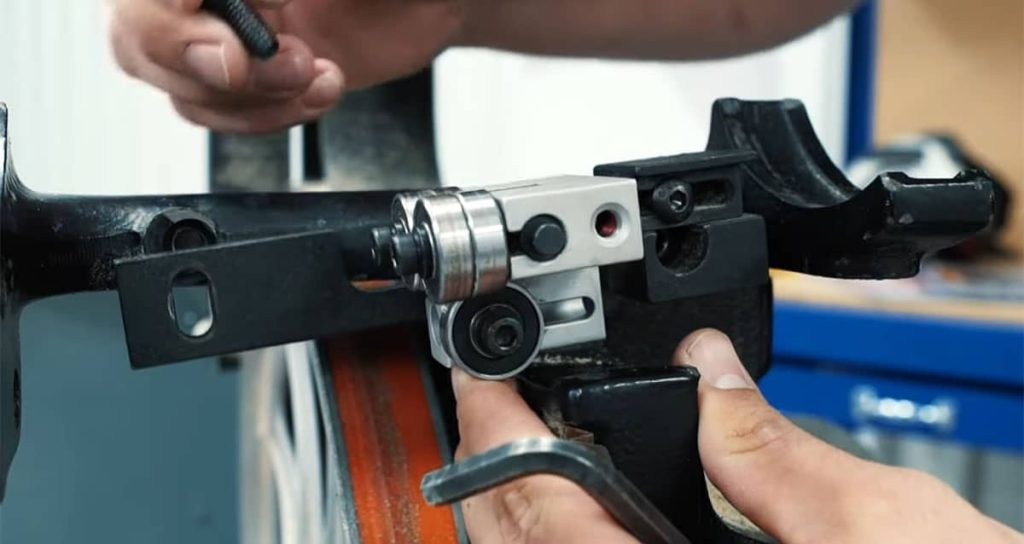
Before you start adjusting your vise position, take a moment to inspect your blade guides. Worn or improperly positioned guides can create symptoms that mimic a misaligned vise, leading you to chase the wrong problem. Make sure both the upper and lower guide assemblies are set correctly, with the guide bearings or blocks positioned just behind the blade gullets. The side guides should sit close to the blade without actually touching it when the saw is running idle. If your guides are worn, cracked, or out of position, correct these issues first. Trying to align a vise while dealing with faulty guides will only lead to frustration and inconsistent results.
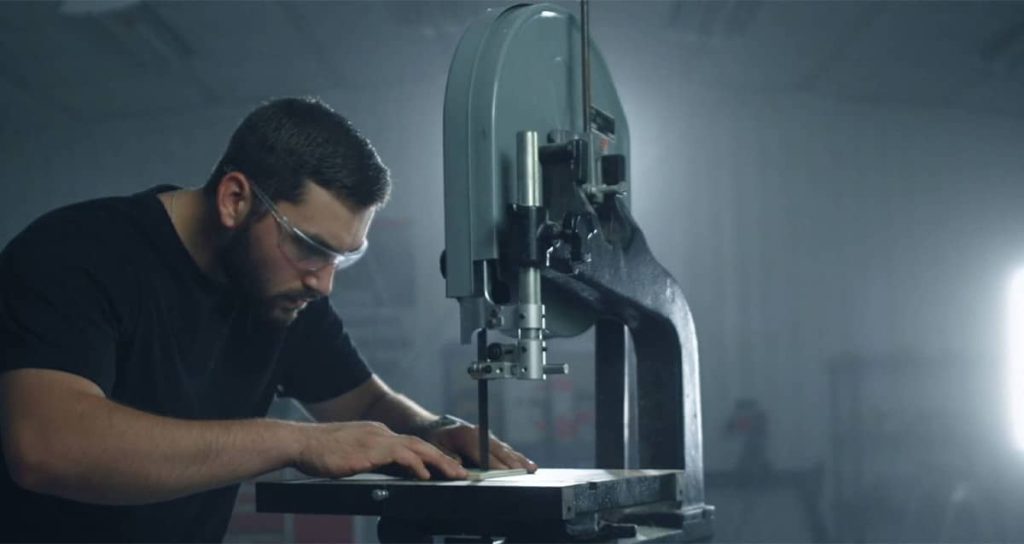
Verify Your Bandsaw Is Operating Correctly
Taking time to assess the overall condition of your bandsaw before alignment work saves headaches down the road. Check that the wheels are tracking properly and that blade tension falls within the manufacturer’s recommended range for your blade width. Look for any signs of damage to the frame, table, or moving components that could affect cut accuracy. Listen for unusual vibrations or sounds that might indicate bearing issues or wheel problems. A bandsaw that is running rough or showing signs of mechanical problems will not produce accurate cuts regardless of how perfectly you align the vise. Address any machine issues before moving on to vise adjustments.
Common Vise Misalignment Problems and Their Effects
| Problem | Symptom | Effect on Cut Quality |
| Vise angled toward blade | Material feeds faster on one side | Diagonal cuts across the workpiece |
| Vise angled away from blade | Uneven pressure distribution | Blade deflection and wandering cuts |
| Vise not level with table | Material sits at an angle | Cuts that are not perpendicular to stock |
| Loose vise mounting bolts | Vise shifts during operation | Inconsistent cuts between pieces |
| Worn vise jaws | Poor grip on material | Stock rotation during cutting |
| Vise positioned too far from guides | Excessive unsupported blade length | Increased blade flex and inaccurate cuts |
Tools You Need for Proper Vise Alignment
Gathering the right tools before you begin makes the alignment process much smoother. You will need a reliable machinist’s square or engineer’s square for checking perpendicularity. A straightedge at least as long as your vise helps verify that the jaws sit parallel to the blade path. Keep the appropriate wrenches or Allen keys handy for loosening and tightening the vise mounting hardware. A dial indicator with a magnetic base offers precise measurement if you want to get technical about it, though many operators achieve excellent results with just a square and careful observation. Having a piece of scrap material similar to what you typically cut allows you to test your adjustments with actual cuts.
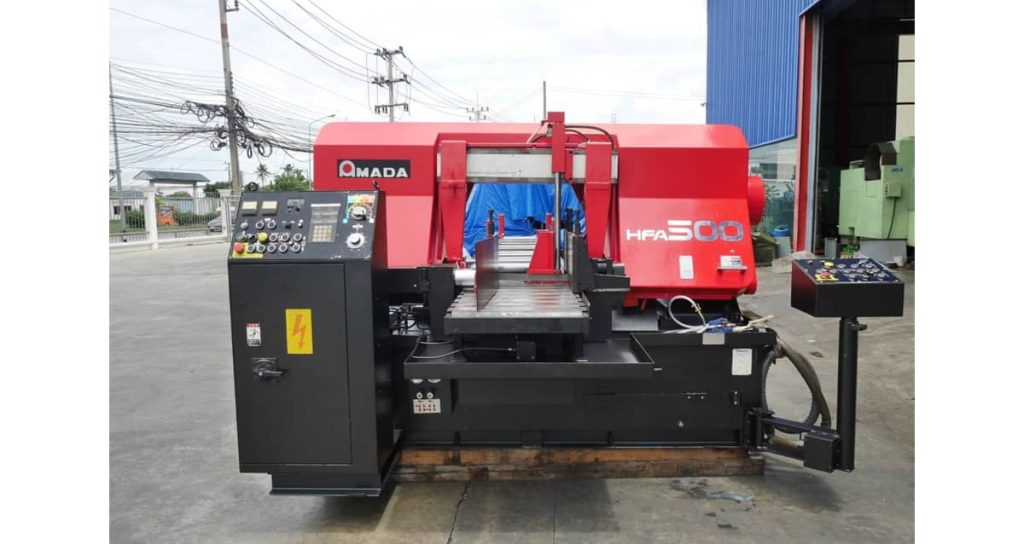
Step by Step Vise Alignment Process
- Turn off the bandsaw and disconnect it from power before starting any adjustments
- Clean the vise mounting surface and remove any chips or debris that could affect positioning
- Loosen the vise mounting bolts just enough to allow small adjustments without letting the vise move freely
- Place your square against the blade with the base resting on the vise jaw face
- Check for gaps between the square and either the blade or the vise jaw
- Tap the vise gently to adjust its position until the square sits flush against both surfaces
- Tighten the mounting bolts in a cross pattern to prevent shifting during final tightening
- Recheck with the square after tightening to confirm the alignment held
Fine Tuning Your Alignment for Best Results
Once you have the basic alignment set, making small refinements can push your cut accuracy even further. Run a test cut on a piece of scrap and examine the resulting surface carefully. Look at both the entry and exit points of the blade to see if they line up vertically. Check the cut face with your square to verify it sits perpendicular to the original stock surface. If you notice slight deviations, make incremental adjustments to the vise position, moving no more than a fraction of a degree at a time. Keep in mind that what looks like a tiny misalignment at the vise can translate to a significant error over a long cut. Patience during this fine tuning phase pays off with noticeably better results.
ALSO WORTH READING
Choosing the Right Blade for Your Shop
If you’re working through cutting tasks on a regular basis, blade selection can make a real difference in both efficiency and cost over time. We put together a closer look at M42 blades and how they hold up for typical fabrication work. It covers what makes them a solid option for shops that need reliability without overspending. You can read the full breakdown here: “Why M42 Blades Are a Practical Choice for Everyday Fabrication Cutting.”
Maintaining Vise Alignment Over Time
- Inspect vise alignment at the start of each work session or shift
- Retighten mounting hardware weekly if the saw sees heavy daily use
- Clean the vise jaws and mounting surfaces regularly to prevent debris buildup
- Replace worn jaw inserts before they affect material grip
- Check alignment immediately after any collision or unusual event during cutting
- Keep a small square near the saw for quick spot checks
- Document your baseline alignment settings so you can restore them quickly if needed
How Vise Position Affects Different Materials
The relationship between vise alignment and cut quality becomes more apparent when you work with various materials. Softer metals like aluminum are more forgiving of slight misalignment, though you will still see evidence of it in the cut surface finish. Harder materials such as stainless steel or tool steel magnify any alignment errors because the blade has less ability to self-correct during the cut. Thin walled tubing and structural shapes are particularly sensitive to vise alignment since uneven pressure can distort them before the blade even makes contact. When cutting bundles of smaller pieces, proper alignment becomes even more important because errors multiply across each piece in the stack.
Troubleshooting Persistent Alignment Issues
- If alignment will not hold, check for worn or stripped mounting bolt threads
- Verify the mounting surface is flat and free from burrs or raised areas
- Inspect the vise base for cracks or damage that could cause flexing under load
- Confirm the saw table itself is level and properly supported
- Look for hydraulic issues if your vise uses powered clamping
- Check that blade tension remains consistent throughout the cutting cycle
- Consider whether vibration from nearby equipment might be affecting stability
Getting the Most From Your Aligned Vise
With your bandsaw vise properly squared to the blade, you should notice immediate improvements in cut quality and consistency. Straight cuts mean less secondary machining, which saves time and reduces overall production costs. Your blades will wear more evenly and last longer when they are not fighting against misaligned material. Take a moment after alignment to cut a few test pieces and measure them carefully. This gives you a baseline reference for future checks and helps you recognize when realignment is needed. Many operators find that spending just one minute verifying vise alignment at the start of each session prevents hours of rework and wasted material over time. Making this quick check part of your regular routine is one of the simplest ways to consistently produce accurate, professional quality cuts on your bandsaw.