The Value of M42 Blades in Daily Shop Operations
If you run a fabrication shop or work in metal cutting, you already know that blade selection directly affects your productivity and bottom line. M42 blades have earned a solid reputation among professionals who need reliable performance across multiple materials without constantly swapping out equipment. These high speed steel blades, containing about 8% cobalt, deliver the heat resistance and edge retention that everyday cutting demands. For shops processing various steel types on a regular basis, M42 blades offer a practical balance between durability, cutting speed, and cost efficiency that makes them worth considering for general purpose operations.
Key Characteristics That Make M42 Blades Stand Out
- Heat resistance up to approximately 1100°F allows for faster feed rates without premature wear
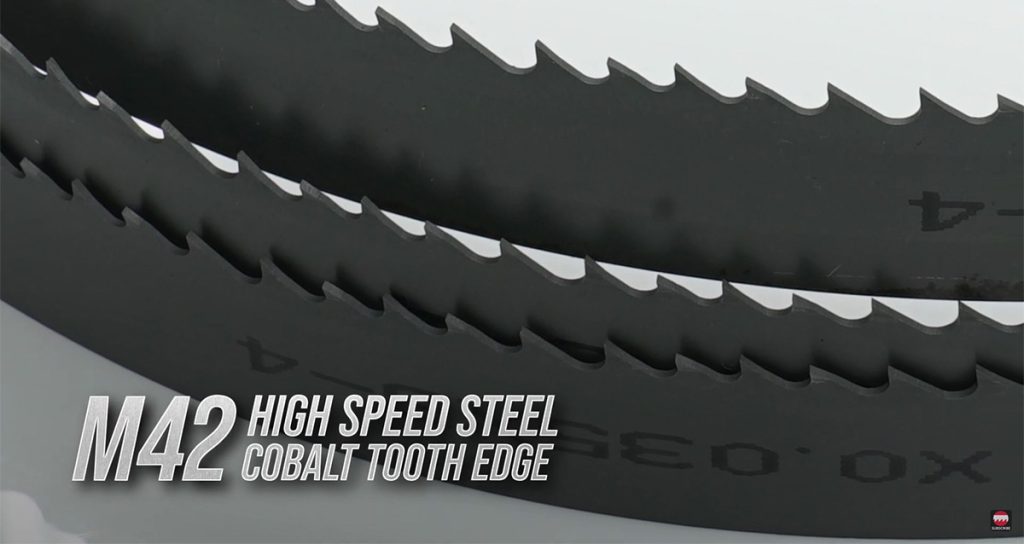
- The cobalt content provides superior red hardness compared to standard bi-metal options
- Edge retention remains consistent through extended cutting sessions on tough materials
- Flexibility in the blade body reduces fatigue cracking during repeated use
- Compatible with both horizontal and vertical bandsaw machines
- Effective on solid stock and structural shapes without requiring blade changes
How M42 Blades Handle Different Steel Types
One of the strongest arguments for M42 blades in fabrication settings is their ability to cut through various steel grades without significant performance drops. High carbon steel, stainless steel, alloy steel, and structural steel all respond well to a quality M42 blade when proper speeds and feeds are applied. This versatility matters in shops where the next job might involve a completely different material than the current one. Rather than maintaining an extensive blade inventory and spending time on changeovers, operators can work through mixed material queues more efficiently with a single blade type handling the majority of tasks.
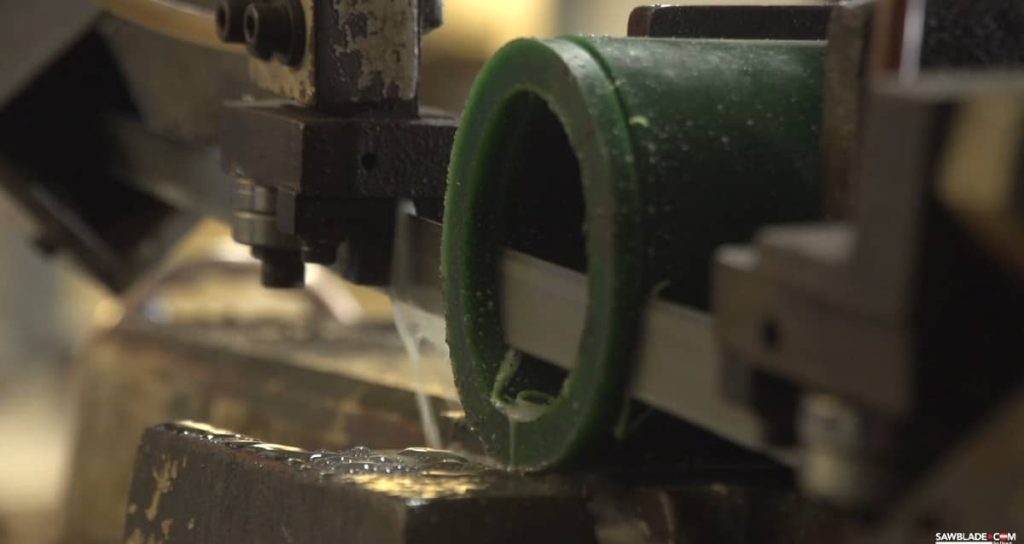
Understanding the Tooth Geometry Advantage
The tooth design on M42 blades plays a significant role in their cutting effectiveness. Many M42 options feature a progressive positive rake tooth pattern, which helps reduce noise, vibration, and chatter during operation. This matters for two practical reasons. First, a quieter sawing operation creates a better work environment and reduces operator fatigue over long shifts. Second, reduced vibration translates to smoother cuts and extended blade life since the teeth experience less stress with each stroke. When a blade runs smoother, it also places less strain on the bandsaw machine itself.
M42 Blade Performance Comparison by Material Type
| Material Type | Cutting Performance | Blade Life Expectancy | Recommended Speed |
| High Carbon Steel | Excellent | Extended | Moderate to Fast |
| Stainless Steel | Very Good | Standard to Extended | Moderate |
| Alloy Steel | Excellent | Extended | Moderate to Fast |
| Structural Steel | Excellent | Extended | Fast |
| Mild Steel | Excellent | Extended | Fast |
| Tool Steel | Good | Standard | Slow to Moderate |
Real Results From a Houston Job Shop
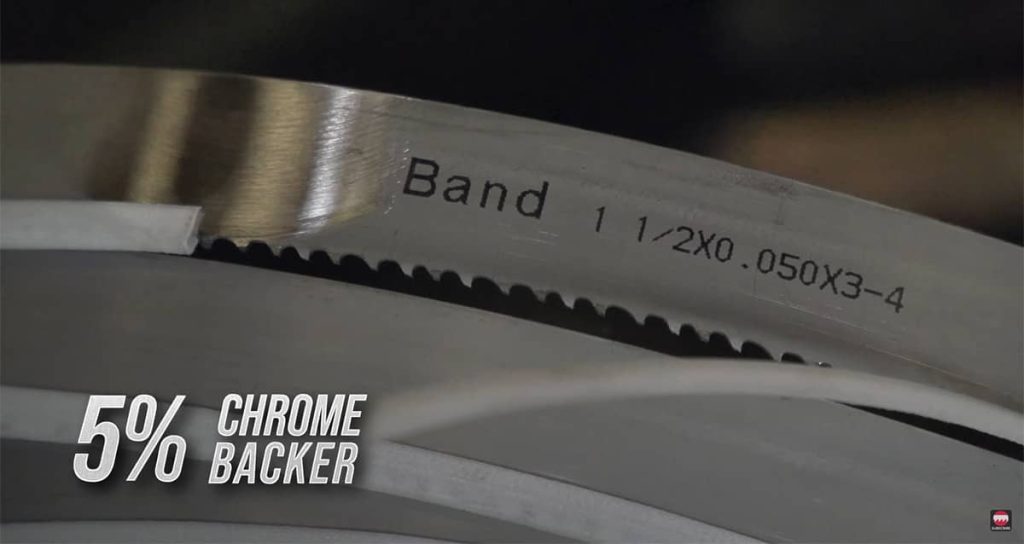
A large job shop in Houston recently faced a common challenge that many fabrication centers experience. They needed to cut high carbon steel, stainless steel, alloy steel, and structural steel across both horizontal and vertical machines. The constant blade changeovers to match each application were eating into production time and adding unnecessary costs. After switching to a versatile M42 blade option, they saved over 600 hours of blade changing time in a single year. The shop also reduced their annual blade purchasing costs by approximately 20% thanks to the fatigue resistant 3% chrome backer that extended each blade’s useful life.
When M42 Blades Make the Most Sense
- General purpose cutting shops that process mixed materials daily
- Production environments where minimizing blade changeover time matters
- Facilities running both horizontal and vertical bandsaw equipment
- Operations cutting structural shapes and solid stock interchangeably
- Shops looking to standardize on fewer blade types for inventory simplicity
- Applications requiring a balance between cutting speed and blade longevity
Cost Per Cut Considerations
Looking at blade costs alone misses the bigger picture. M42 blades typically cost more upfront than standard bi-metal options, but the cost per cut often tells a different story. When you factor in how many linear inches or feet a blade cuts before replacement, plus the labor time saved from fewer changeovers and longer intervals between blade swaps, M42 options frequently come out ahead. For the Houston job shop mentioned earlier, the combination of extended blade life and reduced changeover time meant they could fulfill more orders each day while spending less on consumables annually.
ALSO WORTH READING
Need a Visual Reference for Your Hyd Mech 20A?
If you’re working on repairs or maintenance, having a clear visual breakdown of every component can save you a lot of time and frustration. We put together a complete exploded parts diagram along with a full parts list for the Hyd Mech 20A. It’s a handy resource whether you’re tracking down a specific part number or just trying to understand how everything fits together. Check it out here: Hyd Mech 20A Exploded Parts Diagram + Parts List.
Maintenance Tips to Maximize M42 Blade Life
- Break in new blades properly by running at reduced feed rates for the first few cuts
- Check blade tension regularly and adjust according to manufacturer specifications
- Keep coolant systems clean and flowing at appropriate rates
- Inspect guides and bearings for wear that could cause blade drift or damage
- Match tooth pitch to material thickness for optimal chip clearing
- Store unused blades properly to prevent kinking or rust formation
Matching Blade Selection to Your Specific Needs
Not every shop will benefit equally from M42 blades. If your facility cuts exclusively soft materials like aluminum or low carbon mild steel at low volumes, standard bi-metal options might serve you fine. However, for operations dealing with harder materials, mixed material queues, or higher production demands, M42 blades offer measurable advantages. The decision comes down to analyzing your actual cutting patterns, changeover frequency, and current blade consumption rates. Many shops discover that the versatility of M42 technology simplifies their operations in ways that extend beyond simple cost calculations.
Signs Your Shop Could Benefit From Switching to M42
- Current blades dull quickly when cutting harder steel grades
- Operators spend significant time each week changing blades for different materials
- Blade inventory has grown complicated with too many specialized options
- Production bottlenecks occur at the sawing station
- Noise and vibration from current blades affect the work environment
- Cost per cut has been trending upward with existing blade choices
Making the Switch Work for Your Operation
Transitioning to M42 blades requires some attention to setup and operating parameters. These blades perform best when matched with appropriate speeds, feeds, and coolant application for each material type. Taking time to dial in your machines when first using M42 blades pays off through better results and longer blade life. Consider starting with one machine or application to evaluate performance before rolling out the change across your entire facility. Track metrics like cuts per blade, changeover frequency, and production throughput to quantify the actual impact on your operation. With proper implementation, M42 blades can become a reliable foundation for your everyday fabrication cutting needs.