Understanding Why Bandsaw Drift Happens
Bandsaw drift is one of those problems that can make an otherwise solid saw feel unreliable. You set up for a straight cut, start feeding the stock, and then the blade begins moving away from the line, leaving you to guide the material by feel instead of letting the machine track cleanly on its own. It shows up most often during ripping and resawing, where even a small tracking issue becomes obvious fast. The good part is that bandsaw drift usually has a clear cause. In most shops, it comes back to blade condition, tension, tracking, guide setup, or the way the stock is being fed into the cut.
The Most Frequent Causes of Bandsaw Drift
- A worn blade that no longer cuts evenly from side to side
- Uneven tooth set caused by wear, low blade quality, or hitting debris in the stock
- Blade tension that is too low or too high for the blade width
- Tracking that does not keep the blade stable on the wheel crown
- Guides that are set in a way that pushes the blade instead of supporting it
- A fence adjusted to follow the drift angle instead of correcting the source
- Feed pressure that is too heavy for the blade and material
What Bandsaw Drift Really Tells You
Bandsaw drift means the blade wants to cut at an angle instead of traveling straight ahead. When that happens, the operator has to steer the workpiece slightly to hold the line. It becomes easy to spot on long rip cuts, resawing work, and any operation where the fence is supposed to keep the cut straight from start to finish. More importantly, bandsaw drift is usually a sign that something else needs attention. In many cases, the blade is worn, the setup is slightly off, or the saw is being asked to do a job with the wrong blade configuration.
Why Blade Quality Makes a Big Difference
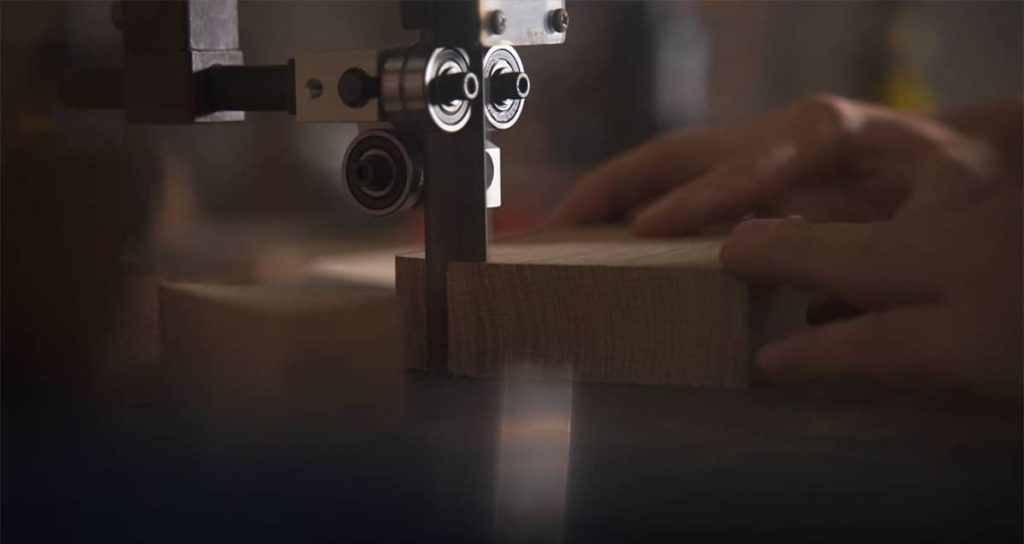
When bandsaw drift starts showing up, the blade is usually the first thing worth checking. A dull or low-quality blade builds heat faster, leaves a rougher finish, needs more feed pressure, and often begins wandering before the problem becomes obvious. That is why so many drift problems improve as soon as a fresh blade is installed. If the teeth are worn unevenly or one side of the blade is cutting more aggressively than the other, the blade will naturally start pulling off line. In day-to-day shop work, replacing the blade is often faster and more effective than trying to adjust around a blade that is already past its useful condition.
Bandsaw Drift Troubleshooting Chart
| Problem Area | Common Sign | Likely Effect on Cut | Practical Fix |
|---|---|---|---|
| Worn blade | Burning, rough finish, extra feed pressure | Blade moves off line and wanders | Install a sharp, quality blade |
| Uneven tooth set | Cut pulls in the same direction each time | Repeated drift to one side | Replace the blade |
| Low blade tension | Blade flutters or bends too easily | Curved cuts and unstable tracking | Set tension for the correct blade width |
| Excessive blade tension | Blade feels stressed or hard to control | Shorter blade life and unstable running | Reduce tension to the proper level |
| Poor tracking | Blade does not stay steady on the wheel crown | Wandering during long cuts | Adjust tracking until blade position is stable |
| Guide misalignment | Guides press against the blade too much | Blade is pushed sideways in the cut | Reset guides with light clearance |
| Thrust bearing too close | Bearing turns constantly | Added heat and unwanted blade pressure | Move bearing slightly behind the blade |
| Wrong blade choice | Narrow blade used for resawing | Blade deflects under load | Use the right blade width and TPI |
| Aggressive feed pressure | Stock must be pushed through the cut | Blade bends and leaves the line | Slow the feed rate |
| Dirty wheels or worn tires | Tracking changes during use | Unsteady blade movement | Clean wheels and inspect tires |
The Best Order for Fixing Bandsaw Drift
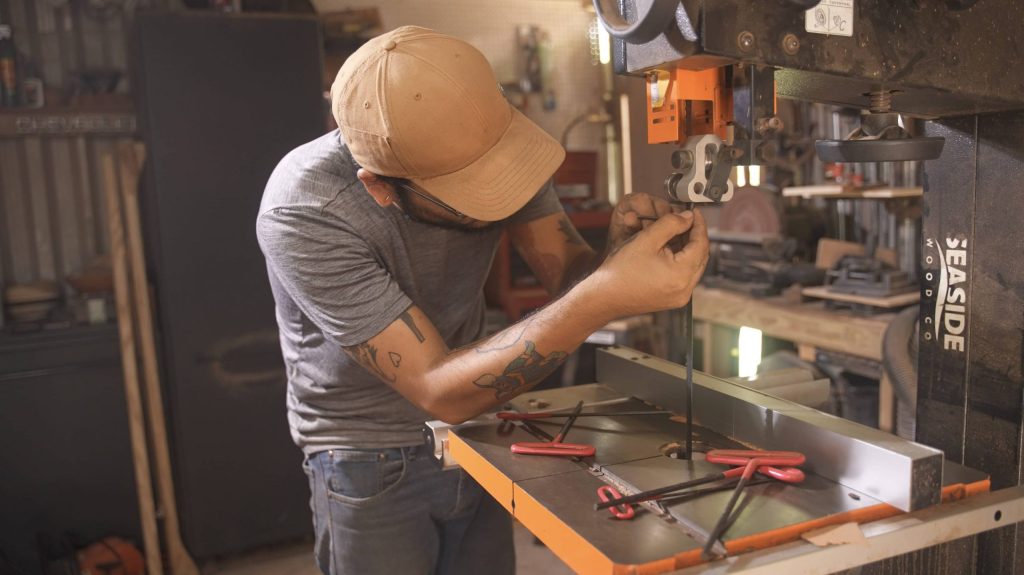
The easiest way to fix bandsaw drift is to go step by step instead of making random adjustments. Start with a sharp blade that matches the cut you are trying to make. Then set the proper blade tension, adjust tracking so the blade runs consistently on the wheel crown, and set the guides so they support the blade without forcing it sideways. After that, make a straight test cut on scrap without using the fence. If the blade tracks straight without extra steering, the main problem is usually solved. Fence alignment should come after that, not before. Adjusting the fence too early can make the saw seem better for a while, but it usually hides the actual cause of the drift.
Find More Technical Articles on GuideKits.com
Looking for more shop-focused reading after this article? Head over to guidekits.com to explore more technical blog posts about bandsaws, guide kits, machine tuning, and cutting accuracy. It is a helpful resource for anyone who wants to understand not just what to change on a saw, but why those changes matter during real cutting work.
Signs the Saw Still Needs More Adjustment
- The blade keeps drifting to one side during a straight test cut
- Resaw cuts come out rough or show a washboard pattern
- The stock needs more push than usual to move through the cut
- The blade flutters while running or deflects too easily
- The thrust bearing stays in contact with the blade all the time
- The side guides appear to touch the blade constantly
- Straight cuts only work when the fence is set at an angle
- The drift gets worse after the blade has been running for a while
Long-Term Prevention Depends on Simple Routine Checks
Once bandsaw drift is corrected, keeping it from coming back usually comes down to regular attention to the basics. A good blade, proper tension, clean guides, and steady tracking prevent most repeat problems. Shops that keep their saws cutting well tend to review setup during blade changes instead of waiting until cut quality drops. Blade selection also matters over time. A narrow blade may be fine for curved work, but it is not the best choice for wide resaw cuts. In the same way, a blade that works well on softer stock may struggle in thicker hardwood. Small adjustments and quick inspections done regularly usually save much more time than repeated troubleshooting later.
Good Habits That Help Prevent Bandsaw Drift
- Replace blades once they become dull instead of stretching them too long
- Choose blade width and tooth pattern based on the material and cut type
- Recheck blade tension whenever changing blades
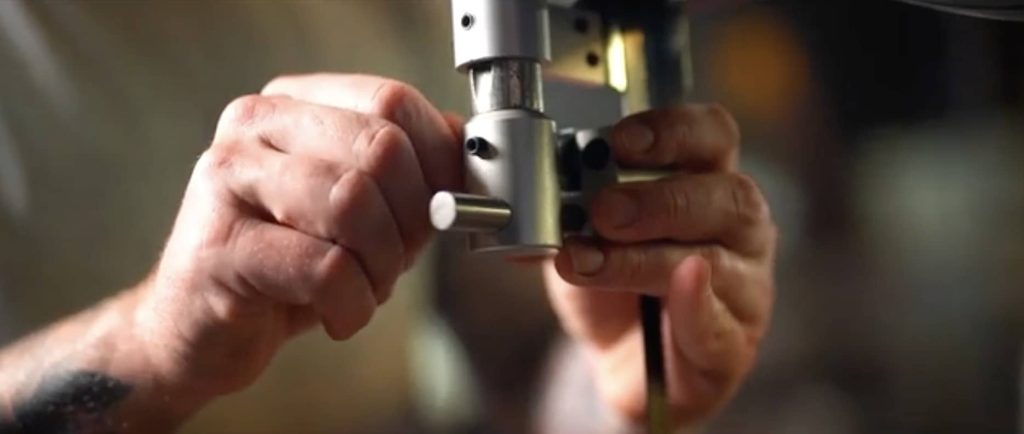
- Keep side guides clean and set with a small clearance
- Inspect guide blocks or bearings for wear
- Clean pitch and sawdust from wheels and tires
- Watch for tires that are cracked, uneven, or hardened
- Let the blade cut at a steady pace instead of forcing the stock
- Review tracking and fence alignment from time to time
- Notice early warning signs like burning, rough finish, or wandering cuts
When the Stock Contributes to the Problem
Not all cutting problems come from the saw setup alone. In some cases, the wood itself affects the cut. Warped boards, internal stress, knots, shifting grain, and uneven density can all move a blade off line, even on a bandsaw that is adjusted properly. This tends to show up more during resawing, where tension inside the board can change the cut path as the material opens or closes behind the blade. The difference is that a properly set saw should not show the same drift pattern on every straight cut. If the issue changes from board to board, the stock may be part of the reason. If it stays the same across different materials, the setup likely still needs work.
Related Reading: Hyd S20 Guide: Manual, Blade Size, Parts, and Common Fixes
If you want more hands-on information about bandsaw setup, maintenance, and troubleshooting, our article on “Hyd S20 Guide: Manual, Blade Size, Parts, and Common Fixes” is worth reading next. It walks through the details that matter in daily use, including blade size, replacement parts, and the common issues operators run into with this machine. It is a useful follow-up for anyone who wants a clearer understanding of how saw setup and machine condition affect cutting performance.
Common Mistakes That Cause Bandsaw Drift to Return
- Continuing to use a blade after it has become too dull
- Using a narrow blade for cuts that need more beam strength
- Setting the guides too tight against the blade
- Applying too much blade tension
- Skipping a tracking check after blade installation
- Feeding stock too hard into the cut
- Ignoring wheel buildup or worn tires
- Adjusting the fence to match drift instead of fixing the source
- Missing early signs like rough finish or heavier feed pressure
- Assuming the saw is always at fault without checking the blade and material
Bandsaw drift is frustrating, but it is usually not difficult to sort out once you look at the saw in the right order. In most cases, the problem comes from blade wear, tooth condition, tension, tracking, guide setup, or feed pressure. Start with the blade, check the setup one step at a time, and test the cut before making fence changes. Once the saw is running straight, keeping it there is usually a matter of regular maintenance and better blade habits. A bandsaw that is set up well should cut with confidence, and that makes straight work, ripping, and resawing much easier to trust.