Why the Hyd S20 Still Matters in Real Shop Use
The Hyd S20 remains a familiar horizontal pivot band saw because it gives many metal shops a useful balance of capacity, blade control, and repeatable setup. Depending on the version, the S20 line includes different blade lengths, which is why this machine can confuse buyers and owners when replacement blades or parts are ordered too quickly. That is the main reason any practical Hyd S20 guide should start with the exact model version and the correct manual. Once that is clear, most of the usual service questions become much easier to sort out.
The First Hyd S20 Details to Check
• Confirm whether your saw is a Series II, Series III, S-20A, or S-20P
• Check the Hyd S20 manual before ordering parts
• Verify blade length, width, and thickness from your exact model reference
• Inspect guides, bearings, and the guide arm before assuming blade trouble
• Look at blade tension and tracking before blaming the drive system
• Clean chips and coolant residue from the vise, guides, and wheel area
Why the Hyd S20 Manual Matters More Than Most Owners Expect
A Hyd S20 manual helps with much more than startup and safety. It is often the fastest way to sort out blade size, guide adjustment, lubrication points, tracking, and basic troubleshooting. That becomes especially useful when the saw was bought used, when model-year differences are not obvious, or when parts listings do not match what is actually on the machine. On a saw like the Hyd S20, a simple setup mistake can look like a larger mechanical problem. The manual often saves time by helping owners rule out those basic issues before they start replacing parts.
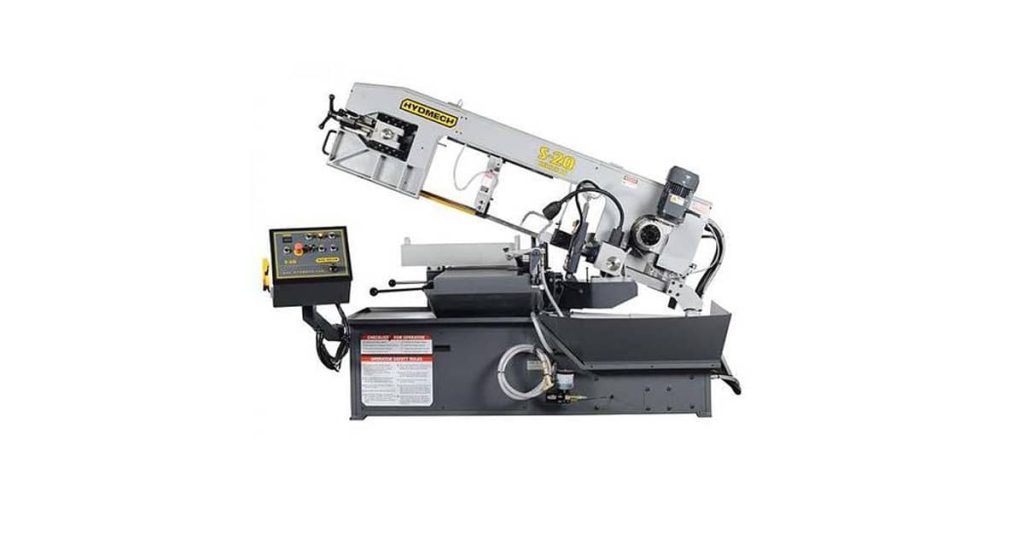
Blade Size Is the First Thing to Verify Before Buying
Blade size is one of the easiest places to make an expensive mistake on a Hyd S20. Different versions in the S20 family can use different blade lengths, even though the saw name looks almost the same. That means two machines both labeled S20 may not take the same blade. Before buying anything, check the model badge and compare it to the proper manual or machine reference. It is a small step, but it prevents the most common ordering problem with this saw family. For most owners, blade size should be confirmed before any other purchase is made.
Hyd S20 Quick Reference Table
| Item | Hyd S20 Detail | Why It Matters |
|---|---|---|
| Manual | Model-specific manual needed | Setup, maintenance, and parts differ by version |
| Blade size, newer models | 1″ x 14′ 10″ | Used on current S-20A and S-20P references |
| Blade size, older Series II | 1″ x 13′ 6″ | Older S20 references use a shorter blade |
| Typical capacity | 13″ x 18″ at 90° | Helps confirm the right machine family |
| Common service areas | Blade guides, tracking, vise, coolant, bearings | These are frequent sources of cutting issues |
The Hyd S20 Parts That Usually Need Attention First
Most Hyd S20 parts issues start in familiar places. Blade guides wear, support points loosen, coolant delivery gets weaker, and vise components lose accuracy over time. On some older machines, drive-related wear can also start showing up. None of this is unusual for a production-style metal saw. The important point is that these wear areas often affect the cut before they look obviously damaged. A drifting blade, rough finish, or unstable cut is often a sign that one of these normal service points needs attention. That is why routine inspection matters more than waiting for a major failure.
Find More Bandsaw Manuals at Bandsawmanuals.com
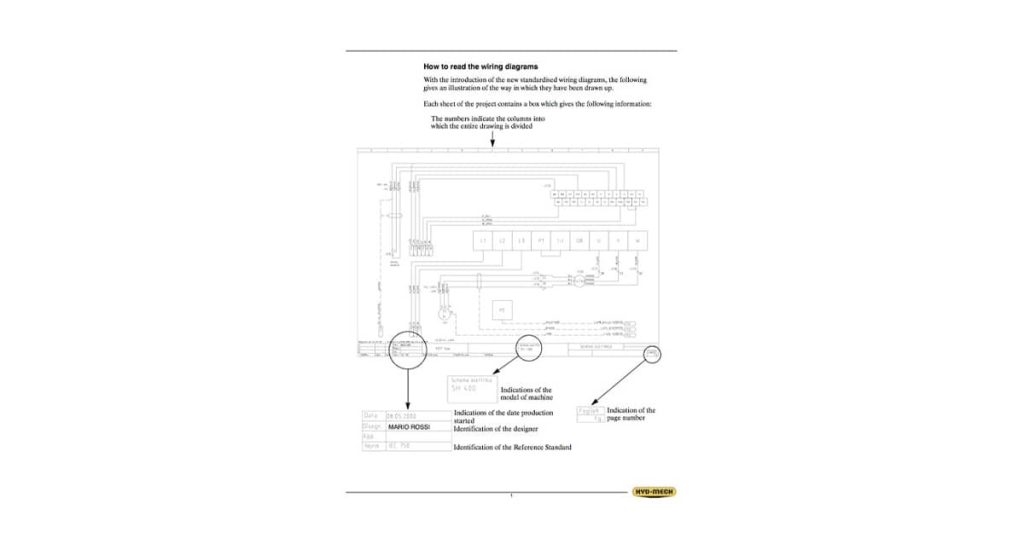
If you need more than just one manual, visit Bandsawmanuals.com to look through a wider range of bandsaw manuals for different brands and models. It is a useful place to find reference material for setup, blade changes, wiring diagrams, parts identification, and routine maintenance. Checking the correct manual before ordering parts or making adjustments can save time and help avoid mistakes.
Common Hyd S20 Fixes to Check First
• Replace or recheck the blade before changing multiple settings
• Reset blade tension and tracking if the cut starts drifting
• Inspect guide condition and guide-arm position
• Check coolant delivery if the blade is heating up too fast
• Clean chip buildup around the guides and wheel area
• Verify the vise is holding material squarely before blaming the saw
Why Tracking and Guide Setup Solve So Many Hyd S20 Problems
On the Hyd S20, tracking and guide setup often decide whether the machine feels steady or frustrating. A blade that wanders, cuts rough, or wears too quickly is often reacting to poor guide position, weak support, or incorrect tension. Many owners start worrying about the hydraulic system or motor when the real issue is still in the blade path. That is why tracking and guide checks should come early in the process. On a saw built for regular metal cutting, those adjustments are part of normal upkeep. Getting them right often solves more than people expect.
Signs Your Hyd S20 May Need Parts or Adjustment
• The blade will not stay on track consistently
• Cut quality drops even with a newer blade
• Guide areas look worn, loose, or out of position
• The saw starts running hotter at the blade
• The vise no longer holds stock squarely
• Noise or vibration increases more than usual
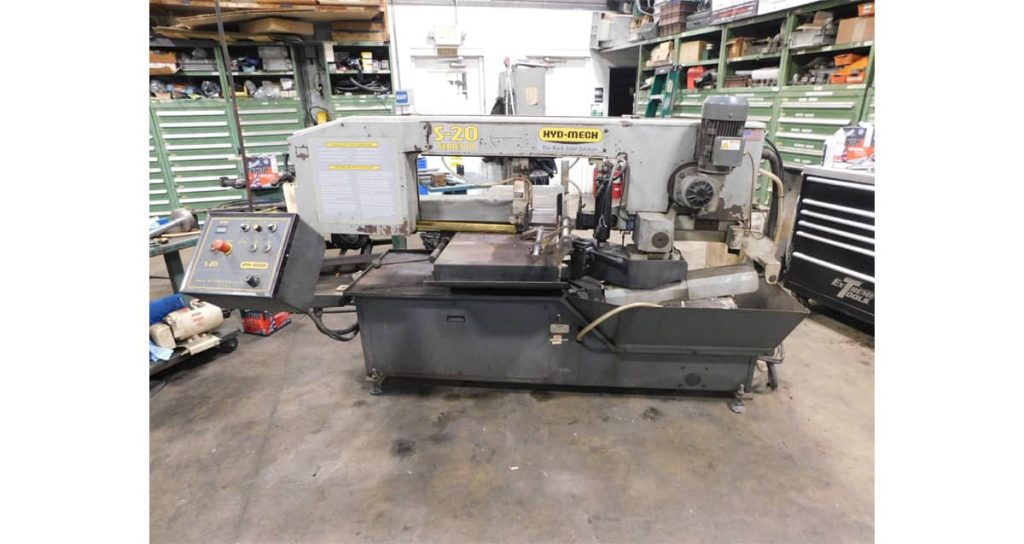
Don’t Ignore Coolant, Cleanup, and Routine Maintenance
A Hyd S20 can hide smaller problems until chips, coolant residue, and guide wear start affecting blade performance. That is why routine cleanup matters so much on a metal-cutting saw. Chips around the guides and wheel area can change how the blade behaves, and poor coolant flow can shorten blade life quickly on heavier cuts. Regular cleaning also makes it easier to notice loose hardware, worn guides, and feed-related issues before they start looking like larger machine faults. For many shops, this kind of routine service prevents more trouble than any single replacement part.
Also Read: 2026 Bandsaw Guide Kit Buyer’s Guide: Best Upgrade Options for Smoother, More Accurate Cuts
If you are also looking at ways to improve the saw itself, our 2026 Bandsaw Guide Kit Buyer’s Guide: Best Upgrade Options for Smoother, More Accurate Cuts article is worth reading next. It focuses on guide kit upgrades that can improve blade support, reduce chatter, and help a bandsaw track more consistently during regular cutting work. Reading it alongside this Hyd S20 guide can help you connect everyday fixes and maintenance with the guide system upgrades that also affect cut quality.
A Simple Hyd S20 Care Routine
• Confirm the exact model before ordering blades or parts
• Check blade condition and size against the proper manual
• Recheck guide setup and blade tracking after blade changes
• Keep coolant flowing correctly on regular production work
• Clean chips from the guide and wheel areas often
• Inspect vise alignment and support points during routine service
A Good Place to Leave It
The Hyd S20 is easier to live with when you start with the basics: the exact model, the proper manual, and the correct blade size. Most of the confusion in this saw family comes from mixing older and newer S20 versions, especially when blades or parts are ordered by name alone. Once that is sorted out, many common fixes come back to the same core areas: blade condition, tracking, guides, vise setup, and coolant flow. For most owners, that is where the useful work starts, and where many Hyd S20 problems are solved before they become larger repairs.