Why Bandsaw Guides Have Such a Big Effect on Cutting
Bandsaw guides may not stand out as much as blades, tires, or tension settings, but they play a large part in how the saw handles through a cut. When guides are worn, chipped, seized, or no longer staying aligned properly, the blade can start to drift, twist, heat up, or leave a rough finish on the workpiece. If you are trying to decide when to replace your bandsaw guides, the real answer is based on performance. Once the guides stop holding the blade the way they should, cut quality and blade life usually start to suffer.
Clues That Often Mean the Guides Are Worn
-
The blade keeps drifting after a proper setup
-
Side guides show grooves, flat areas, or uneven wear
-
The thrust bearing no longer spins smoothly
-
You notice more heat, blade discoloration, or burning
-
Cuts stay rough even with a sharp blade installed
-
Guide settings keep moving and need repeated adjustment
Ongoing Blade Drift Can Point Back to the Guides
One of the clearest signs that it may be time to replace your bandsaw guides is blade drift that continues after the rest of the saw has been checked and adjusted correctly. If you have already fitted the right blade, set the tension, checked tracking, and squared the fence or table, but the blade still will not hold a straight path, the guides are worth inspecting closely. Worn side guides can allow the blade to twist under load, especially during resawing or longer rip cuts where steady blade support matters most.
Worn Guide Surfaces Usually Become Easy to See
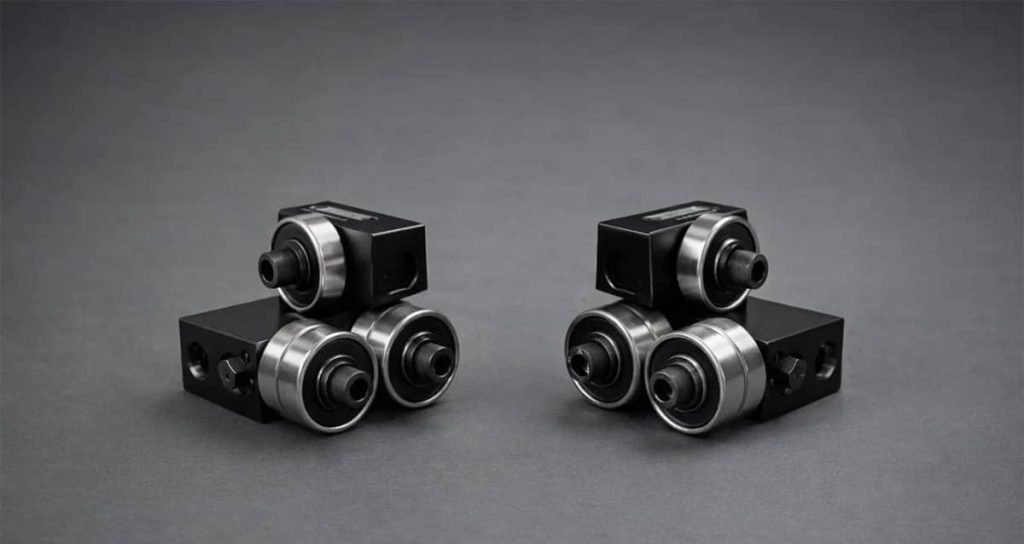
Guide wear often becomes clear once you examine the parts up close. Steel blocks can develop grooves where the blade has been riding too long. Bearing guides may feel rough, loose, or gritty when turned by hand. Ceramic guides can chip or glaze over, while composite guides may wear flat and lose their ability to support the blade evenly. Once the guide face is no longer true, the saw often becomes harder to tune and less steady through the cut.
Guide Styles and the Wear They Commonly Show
| Guide Type | Common Wear Pattern | When It Makes Sense to Replace |
|---|---|---|
| Steel block guides | Grooves, uneven faces, scoring | When the blade has worn a clear path into the blocks |
| Bearing guides | Rough spin, wobble, seized bearing, play | When bearings no longer turn smoothly or feel loose |
| Ceramic guides | Chipping, cracking, glazed contact areas | When the surface is damaged or no longer even |
| Composite or phenolic guides | Flat polished faces, loss of shape | When blade support becomes weak or uneven |
| Thrust bearing | Noise, heat marks, flat spots, poor rotation | When it drags, rattles, or stops spinning freely |
Extra Heat at the Blade Can Come from the Guides
Bandsaw guides are meant to support the blade, not create friction that shortens its service life. If you begin to notice blue or straw colored marks on the blade, or if the saw feels hotter than usual during light cutting, the guides may be part of the problem. A seized bearing, a worn contact surface, or poor guide alignment caused by wear can all create heat where it should not be. In that case, replacing the worn guide parts is often a better fix than continuing to adjust around the issue.
Thinking About Replacing or Upgrading Your Bandsaw Guides?
If your saw needs repeated guide adjustment or the current setup is no longer holding the blade well, a replacement may make a noticeable difference. Sawblade.com offers bandsaw guide kits and replacement parts for a range of machines, which can help improve blade stability and day to day cutting performance. It is a helpful resource if you want to compare guide options and find a setup that better matches your saw.
Times When a Full Replacement May Not Be Needed Yet
-
The guides are smooth and show no visible wear
-
Bearings still spin cleanly and without noise
-
Problems started only after changing blades
-
The saw has not been tuned recently
-
Tracking or tension has not been checked yet
-
Cut issues show up with one blade only, not every blade
The Thrust Bearing Can Affect the Entire Cut
The rear thrust bearing usually sees more pressure than the side guides, so it often shows trouble first. If it squeals, rattles, drags, or develops a flat spot, the blade can begin pushing back unevenly during the cut. That can affect cut accuracy, blade tracking, and the overall feel of the saw. Many users look at the side guides first, but a worn thrust bearing can cause just as many cutting problems if it stays in use too long.
How Long Bandsaw Guides Commonly Last
-
Steel block guides may last 2 to 5 years in lighter hobby use
-
Bearing guides often last 3 to 7 years depending on use and part quality
-
Ceramic guides can last 5 to 10 years or more with careful setup
-
Heavy resawing usually wears guides faster than light curve cutting
-
Dust buildup and poor maintenance can shorten guide life
-
Frequent blade width changes can speed up wear too
Replacing the Guides Can Also Improve the Whole Setup
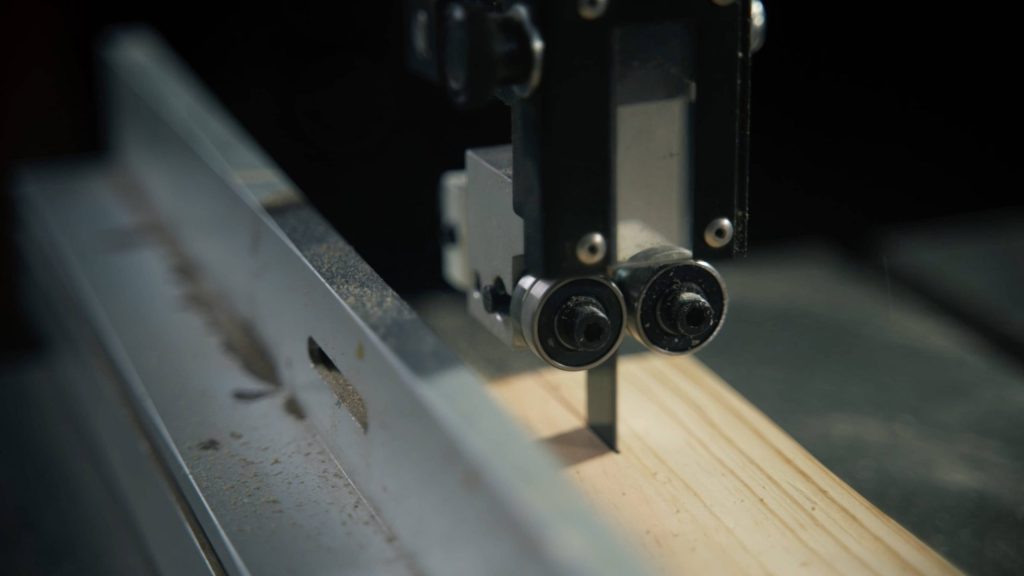
If the saw already needs new guides, it can be worth considering more than a direct replacement. Older stock blocks or lower quality bearings can often be replaced with better guide systems that offer steadier blade support and less friction. Many users notice smoother cutting, lower guide noise, better resaw accuracy, and stronger setup stability after switching to a better guide design. In some cases, fitting an upgraded kit makes more sense than reinstalling the same weaker arrangement.
Want a Quieter Bandsaw and Smoother Cuts?
If your saw is getting louder, vibrating more, or leaving a rougher finish than it should, our article on How to Make a Bandsaw Quieter and Improve Cutting Smoothness is a helpful next step. It looks at the setup areas that often affect both noise and cut quality, including blade condition, guide adjustment, tracking, tension, and vibration at the base. It is a useful read for anyone trying to make a bandsaw feel more stable, cut more cleanly, and run with less unwanted noise.
What Often Gets Better After New Guides Go In
-
Straighter cuts with less drift
-
Better blade support during resawing and curve work
-
Less blade heating during longer cuts
-
Fewer issues with chatter and rough surfaces
-
More stable guide settings over time
-
Better blade life when friction is reduced
Better Guide Support Helps the Saw Perform More Consistently
If you are trying to decide when to replace your bandsaw guides, age on its own is not the best way to judge it. Performance, wear, and how well the guides still support the blade during actual cutting matter more. When drift continues after proper setup, when bearings stop spinning smoothly, or when the guide surfaces are worn enough to affect control, replacement is usually the right move. A well supported blade makes the saw easier to tune, easier to rely on, and more likely to produce clean, steady cuts.