Why Extra Bandsaw Noise Should Not Be Ignored
When a bandsaw starts sounding louder, shaking more, or leaving a rougher finish, there is usually a setup problem behind it. In many cases, the issue starts with the blade, wheel tracking, guide placement, or movement in the stand. These areas tend to show warning signs before the saw begins cutting badly. If your goal is to reduce bandsaw noise and improve smoothness, it makes sense to inspect the machine as a whole instead of looking at one part by itself.
Signs That Point to Bandsaw Noise Problems
-
Blade flutter during startup or during the cut
-
A steady thump linked to wheel or tire trouble
-
Squealing near the guides or thrust bearing
-
Rattling from the base, stand, or loose hardware
-
Cuts that wander because of tension or tracking issues
-
Rough cut quality caused by a dull or poorly chosen blade

Check the Blade Before Anything Else
The blade is often the first thing to inspect when a bandsaw begins making more noise than normal. A dull blade can rub instead of cutting cleanly, which raises sound levels and leaves a rough surface on the material. The wrong blade width or tooth pattern can also make the saw feel harsher, especially when cutting thicker stock or changing from one material to another. For wood, carbon steel and bi metal blades are common choices depending on the work. For metal, a bi metal blade with the right teeth per inch usually offers better control. A variable pitch blade can also help reduce the repeating sound created when the tooth pattern meets the material too evenly.
Blade Tension and Tracking Matter More Than Many People Think
Tension and tracking affect each other, so it is smart to review them together. If blade tension is too low, the blade can flutter, slap, and drift during the cut. If it is too high, the saw can place more load on the wheels, bearings, and motor. A practical starting point is the saw maker’s recommendation for the blade being used, followed by a careful tracking adjustment so the blade runs in the correct spot on the wheel. When both settings are close, the saw often runs with less noise and gives better control through the cut.
Parts Worth Checking When a Bandsaw Gets Noisy
| Part | What to Inspect | Possible Result |
|---|---|---|
| Blade | Dull teeth, cracks, rough weld, wrong tooth pattern | Rough cuts, rubbing sound, drift |
| Guides | Too tight or too loose | Chatter, rubbing, poor support |
| Thrust bearing | Constant contact or wear | Squeal, extra friction |
| Wheel tires | Hard spots, cracks, buildup | Repeating thump, poor tracking |
| Wheel bearings | Rough rotation or side play | Grinding sound, unstable movement |
| Belt and pulleys | Poor alignment, wear, weak tension | Uneven drive, added vibration |
| Stand and base | Loose bolts, weak stability | Rattle, frame movement |
Guide Setup Has a Direct Effect on Sound
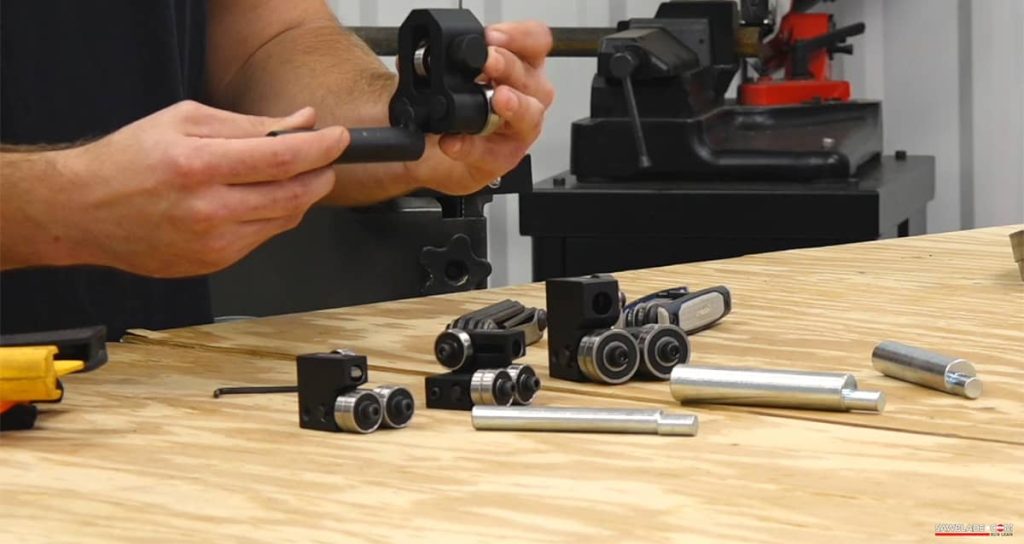
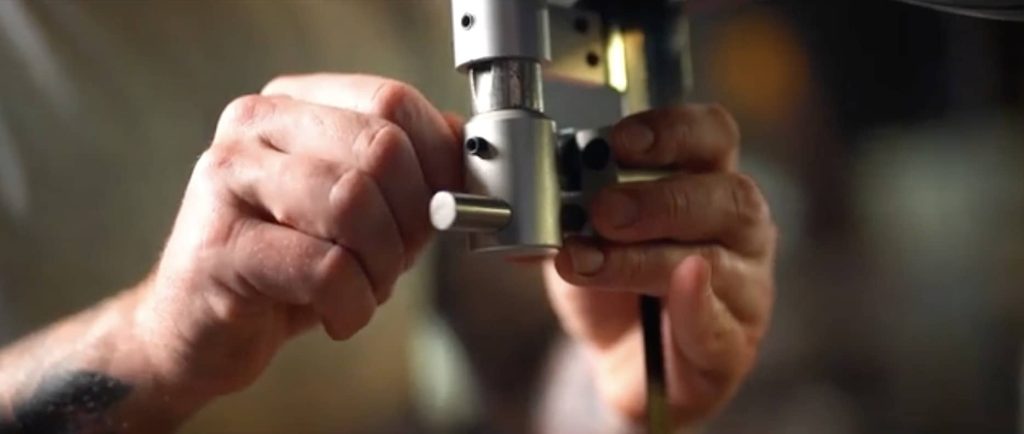
Even with a good blade and proper tension, bad guide adjustment can make a bandsaw sound rough. Side guides should support the blade without pressing on it all the time, and they should sit just behind the gullets instead of touching the teeth. The thrust bearing should stay slightly behind the blade and only contact it when cutting pressure pushes the blade back. If these parts sit too close, the saw may squeal or whine. If they sit too far away, the blade can move too much and lose cut accuracy.
Looking for Bandsaw Blades That Match Your Application?
If your current setup is not giving you the cut quality or smooth operation you want, it may be time to take a closer look at the blade you are using. Sawblade.com offers bandsaw blade options for a wide range of cutting needs, which can help you find a setup that works better for your material, machine, and cutting style. Choosing the right blade can help improve control, reduce unwanted noise, and support more consistent performance.
Small Checks That Can Improve Bandsaw Smoothness
-
Replace any dull or damaged blade
-
Make sure the blade fits the material and cut type
-
Set blade tension to a steady level
-
Adjust blade tracking on the wheels
-
Review guide position on both sides of the blade
-
Tighten loose hardware on the frame and stand
In Some Cases the Main Problem Is Vibration
Not every bandsaw noise issue begins at the blade. Sometimes the stand or floor makes the sound worse than it really is. Thin metal stands can transfer vibration through the entire saw, and uneven floors can leave the machine rocking slightly during use. Rubber pads under the feet can help limit vibration transfer, and extra weight in a hollow stand often makes the saw feel more stable. If the saw is mounted on a bench, the bench should be stiff enough that it does not flex while cutting.
Drive Components Can Also Add Noise Over Time
-
Wheel bearings can wear and begin grinding
-
Belts can harden, crack, or slip under load
-
Pulleys can shift out of line and create uneven motion
-
Motor mounts can loosen and pass movement into the frame
-
Worn bushings can create shake that gets worse at higher speed
Cutting Habits Also Change How the Saw Sounds
The way material moves through the blade affects both sound and finish quality. Feeding too fast can push the blade off line and increase vibration, while feeding too slowly can create rubbing and heat instead of a clean cut. A steady feed rate is usually the best approach. It also helps to support the workpiece with a fence, miter gauge, or outfeed support when needed. When the stock stays flat and controlled, the saw usually runs more smoothly and leaves a cleaner surface.
Improve an Older Bandsaw with the Right Upgrades
If your machine still feels unstable or struggles to cut as accurately as it should, our article on Old Bandsaw Upgrade Guide: Improve Cutting Accuracy and Machine Stability is a smart next read. It looks at practical upgrades that can help an older saw feel more solid, track better, and deliver cleaner results in daily use. It is a helpful resource for anyone who wants to get more reliable performance from a bandsaw that still has plenty of use left.
What Usually Gets Better After the Noise Is Reduced
-
Straighter cuts with less drift
-
Smoother cut surfaces
-
Less blade chatter during longer cuts
-
Lower load on bearings, belts, and wheels
-
Better comfort during repeated use
-
More trust in the saw from one cut to the next
Better Bandsaw Performance Starts with Better Setup
To reduce bandsaw noise and improve smoothness, the most effective approach is to check the saw in a sensible order. Start with the blade, then move to tension, tracking, guides, wheel condition, and vibration at the base. After that, inspect the bearings, belts, and pulleys for wear. In most cases, the answer is not one large repair but a group of smaller corrections that help the saw run properly again. A smooth running bandsaw is easier to use and more likely to give clean, consistent cuts.