Why Yearly Bandsaw Care Makes a Difference
A bandsaw can perform consistently for many shop applications, but results may decline without scheduled attention. Dust accumulation, aging tires, dull blades, and small alignment changes can affect cut accuracy and motor operation. Following a yearly care routine helps keep the saw running smoothly, supports safe operation, and maintains steady cutting results.
Power-Down Cleaning Process
-
Disconnect the bandsaw from power before servicing
-
Remove the blade, table insert, and wheel covers
-
Vacuum inside the cabinet, focusing on the lower wheel area
-
Use a soft brush to clear compacted dust from tight areas
-
Wipe pitch or residue from surfaces using a mild cleaner
Starting with a clean saw makes inspection tasks more effective.
Wheel Condition Review
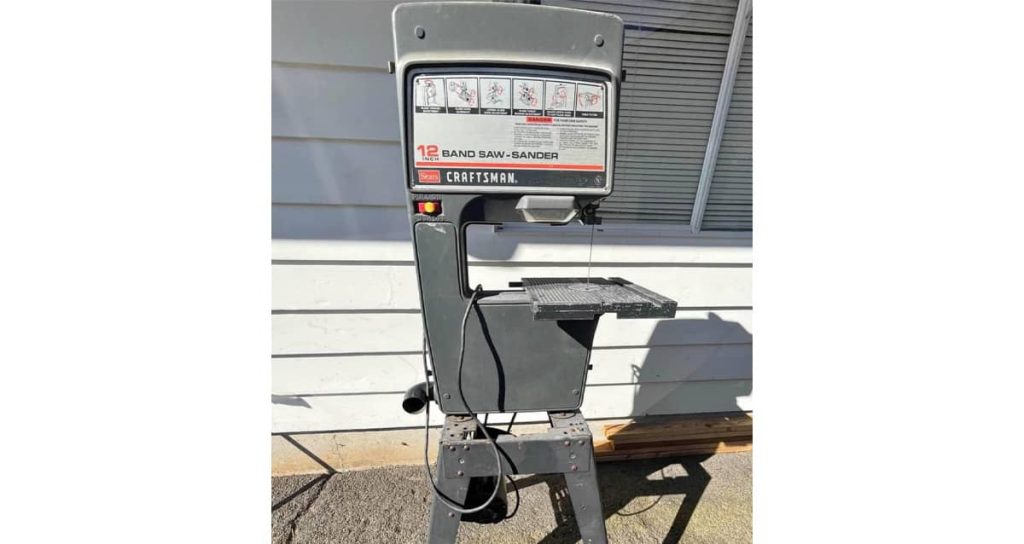
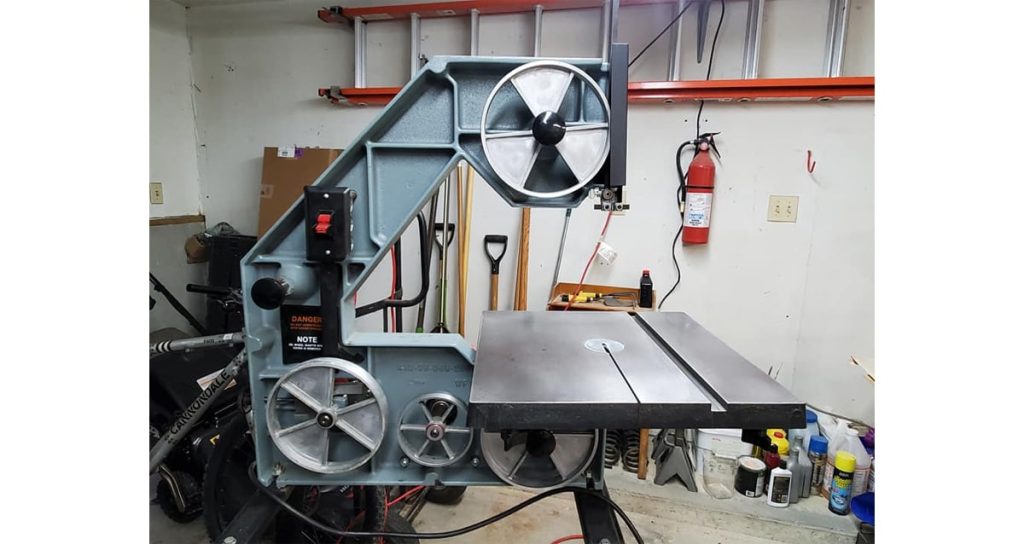
Bandsaw wheels influence how smoothly the blade moves. Each wheel should rotate freely without noise or lateral movement. Cleaning wheel rims removes buildup that can affect tracking. Any noticeable wobble may indicate bearing wear or loose mounting hardware.
Checking Bandsaw Tires
Bandsaw tires should be reviewed for cracking, hardened surfaces, lifted edges, or deep blade marks. If the rubber does not compress slightly under pressure, grip may be reduced. Replacing worn tires often improves blade tracking and overall stability.
Tire Inspection Reference
| Tire Condition | Visible Indicator | Suggested Action |
|---|---|---|
| Cracks | Split rubber | Replace tire |
| Hardened surface | Minimal compression | Replace tire |
| Lifted edge | Rubber separating | Reinstall or replace |
| Deep grooves | Blade wear marks | Replace tire |
Blade Installation and Tracking Review
Install a sharp blade suited to your regular cutting work. Apply tension gradually while turning the upper wheel by hand. Adjust tracking so the blade stays centered on the upper wheel. Proper tracking supports blade stability during cutting.
Blade Tension Adjustment
-
Use the saw’s tension scale as an initial reference
-
Start the saw and observe blade movement
-
Increase tension gradually until flutter is no longer present
Correct tension supports straight cuts and helps limit blade fatigue.
Guide and Bearing Setup
Bandsaw guides help manage blade movement during operation.
-
Position thrust bearings just behind the blade
-
Set side guides slightly off the blade and behind the gullets
-
Lower guide height to just above the workpiece
Accurate guide setup helps reduce drift and surface marking.
Table and Fence Alignment Check
Confirm the blade is square to the table using an accurate square. Adjust trunnions if necessary. For resawing tasks, align the fence with the blade’s natural cutting path to support straight cuts without forcing the material.
Drive System Check
-
Verify belt tension allows slight deflection
-
Inspect belts for cracking or surface glazing
-
Confirm pulleys are aligned and clean
-
Ensure motor mounting hardware is secure
Drive system issues are often linked to noise or slow startup.
Dust Collection and Lubrication Tasks
Sustaining adequate dust collection and light lubrication contributes to seamless bandsaw operation. To avoid accumulation that can harm moving parts, clean all internal passageways and dust ports. Check hoses for obstructions or kinks, and if necessary, plug any leaks near fittings. To keep guide posts and adjustment points moving freely, lightly oil them. Steer clear of lubricating tires or wheel surfaces as this could lessen the blades’ grip.
Explore Setup and Service Details for the Delta 28-206
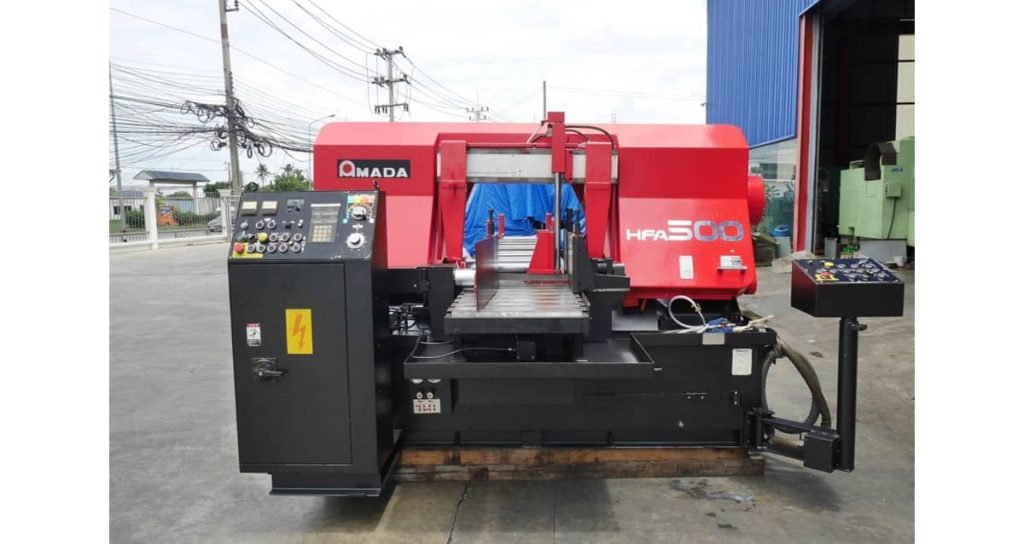
For users working with the Delta 28-206 bandsaw, having clear reference information can make maintenance and setup easier. Read “Delta 28-206 Guide: Manual, Blade Size, Parts, and Common Fixes” to review blade specifications, common wear items, and practical fixes that support steady cutting performance.
Final Review and Test Cuts
-
Wax the table surface to reduce friction
-
Check fence and miter gauge stability
-
Perform a test cut to confirm straight tracking
-
Listen for smooth startup and steady operation
Minor adjustments here help maintain dependable performance.
A bandsaw that receives yearly care runs more quietly, feels easier to guide, and delivers more consistent cuts. Completing this maintenance routine supports accuracy, safety, and dependable operation for users who rely on their bandsaw for regular shop work.