A bandsaw delivers repeatable, accurate cuts only when it is correctly adjusted. When blade sharpness, tension, or alignment are off, cutting quality declines quickly. Recognizing frequent bandsaw issues allows operators to correct problems early, limit interruptions, and maintain dependable cutting results over time.
Blade Drift Leading to Crooked Cuts
Blade drift occurs when the saw pulls to one side during a cut despite a properly aligned fence. This behavior is commonly linked to a worn blade, uneven tooth set, incorrect tension, or guide assemblies that are not positioned correctly. In most situations, drift reflects setup conditions rather than a fault with the saw. Straight cutting is generally restored by installing a sharp blade suited to the material, setting proper tension, and adjusting guides with minimal clearance.
Bandsaw Blade Tracking Problems
Tracking problems appear when the blade fails to remain centered on the wheels during operation. This condition is often associated with damaged tires, improper blade width, insufficient tension, or tracking adjustments that are out of range.
Important tracking checks include:
-
Adjusting the tracking control until the blade runs near the wheel center
-
Inspecting tires for wear, cracks, or hard surfaces
-
Verifying the blade width falls within the saw’s specifications
-
Applying final tension before rechecking tracking
Proper tracking reduces vibration and slows blade wear.
Blade Coming Off the Wheels While Cutting
A blade leaving the wheels during use is unsettling but usually avoidable. Low tension, loose or worn tires, and wheels that are not aligned on the same plane are the most common contributors. Reviewing tire condition, increasing tension gradually, and confirming wheel alignment with a straightedge helps prevent this issue.
Excessive Vibration During Operation
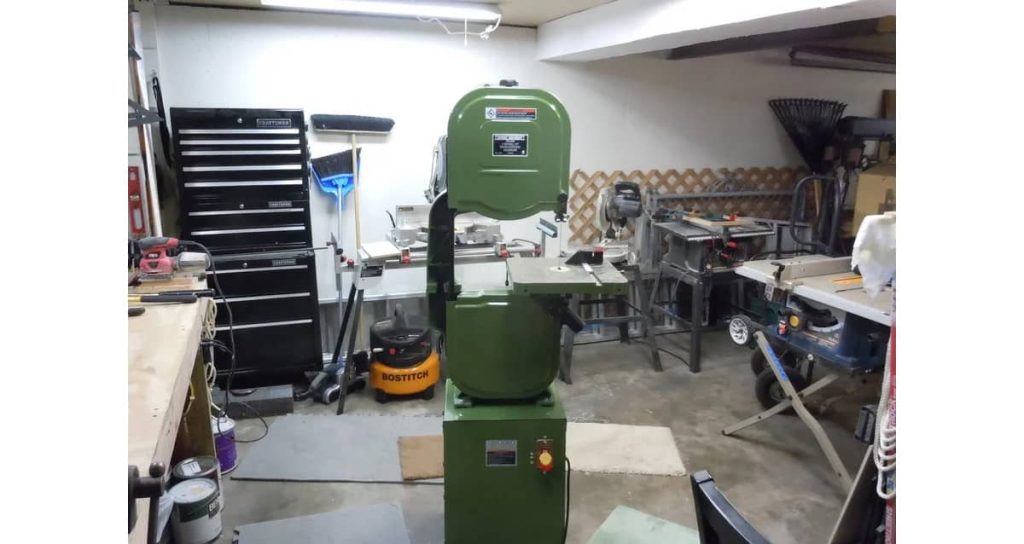
Noticeable vibration affects both cut accuracy and machine stability. Common sources include wheel imbalance, worn bearings, a blade with a poor weld, or an unstable base. Vibration should be addressed promptly, as it accelerates wear on moving components. Replacing the blade and securing the saw on a firm, level surface resolves most vibration complaints.
Blade Choice and Cutting Results
Blade selection directly influences cut finish, cutting speed, and heat buildup.
| Stock Thickness | Suggested TPI | Expected Result |
|---|---|---|
| Thick hardwood | 3–6 TPI | Smooth resaw surfaces |
| Medium material | 6–10 TPI | Controlled general cuts |
| Thin stock | 10–14 TPI | Clean, accurate edges |
An incorrect tooth count often leads to burning, rough surfaces, or reduced cutting speed.
Early Bandsaw Blade Failure
Blades that fail prematurely are often overtensioned or repeatedly stressed by guides that apply constant contact. Tight curves made with wide blades also increase fatigue. Blade service life improves by reducing tension slightly, ensuring guides only engage during cutting, and selecting a blade width suitable for the cutting radius.
Bandsaw Slowing or Stopping Under Load
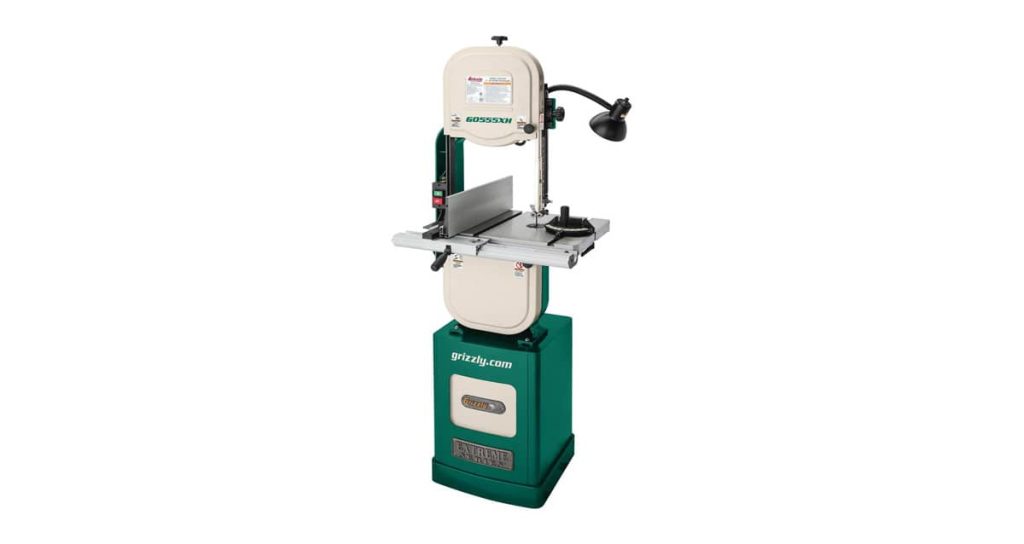
If a bandsaw slows or stalls during a cut, cutting resistance exceeds the saw’s capability.
Common causes include:
-
Worn or unsuitable blade
-
Drive belt slipping or showing wear
-
Feed rate that is too aggressive
-
Limited motor output during resaw work
Installing a sharp, low-TPI blade and feeding material at a controlled pace usually restores cutting performance.
Wheel Alignment and Coplanarity Concerns
Unstable tracking can indicate wheel alignment problems. Wheels may shift under load due to worn bearings, loose axle fasteners, or frame movement on lighter machines. Tightening hardware, replacing worn bearings, and shimming wheels where required improves alignment consistency.
Locate the Correct Replacement Parts for Your Porter Cable Bandsaw
When a bandsaw begins to lose accuracy or reliability, worn components are often the cause. Our article, “Porter Cable Bandsaw Parts: Where to Find Replacements,” outlines reliable sources for compatible parts, identifies commonly replaced components, and explains how to confirm part numbers and fitment. It provides practical guidance for keeping a Porter Cable bandsaw operating consistently and avoiding extended downtime.
Bandsaw Table Out of Square
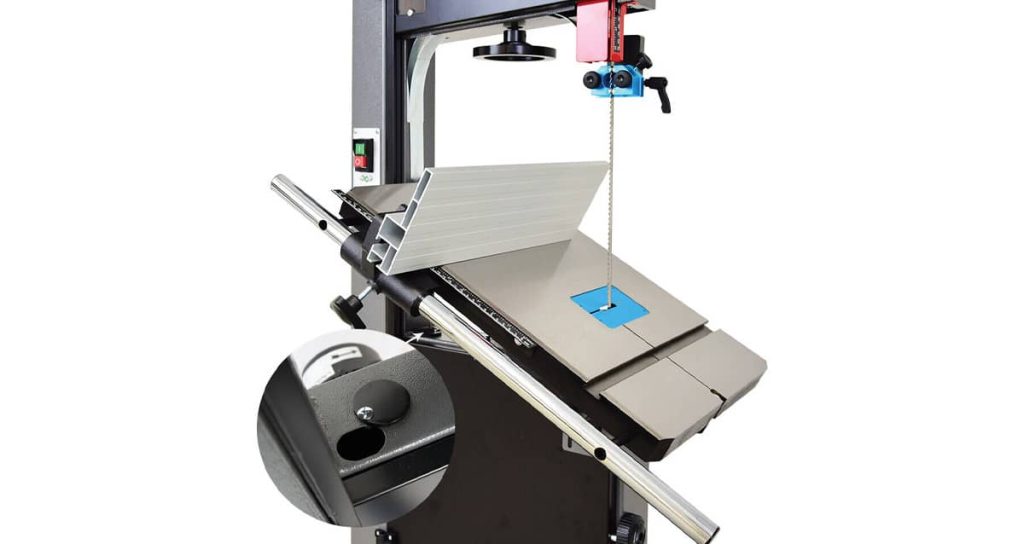
When the table is not perpendicular to the blade, joinery accuracy suffers and resawn boards vary in thickness.
Adjustments include:
-
Resetting the table using a precision square
-
Cleaning and inspecting trunnion surfaces
-
Securing tilt adjustment hardware
-
Confirming guides are not forcing the blade sideways
Accurate table alignment supports consistent cutting results.
Unwanted Sounds From the Bandsaw
Squealing, grinding, or rubbing sounds signal unwanted friction. Typical sources include seized thrust bearings, guides adjusted too tightly, blade contact with guards or the throat plate, or dry bearings. Replacing worn bearings, slightly backing off guides, and confirming proper clearances resolves most noise issues.
Blade Condition and Routine Upkeep
Many bandsaw issues are avoided by routinely checking blade sharpness, tire condition, bearing movement, and guide positioning. Removing sawdust buildup and confirming adjustments on a regular basis helps keep the saw dependable and predictable.
Most bandsaw problems trace back to blade condition, tension settings, guide positioning, or wheel alignment rather than mechanical failure. Addressing these areas in a consistent manner allows operators to maintain accurate cuts, extend blade service life, and rely on steady performance over long periods of use.