How Bandsaw Size Is Measured
Bandsaw size refers to the horizontal distance from the blade to the rear frame column. This dimension defines how wide a workpiece can be guided through the saw before the frame limits movement. When evaluating a 12-inch versus a 14-inch bandsaw, this measurement directly affects cutting clearance, material control, and project range.
Meaning of the Inch Designation
-
Frame-to-blade clearance
-
Maximum workable board width
-
Space available for maneuvering stock
-
Indicator of overall cutting range
Functional Differences Between Sizes
As bandsaw size increases, so does material capacity. A 12-inch bandsaw is suited for routine cutting and curved profiles, while a 14-inch bandsaw allows thicker stock and broader boards to be processed with greater ease. This distinction becomes more relevant as project scale and material size increase.
Space Requirements and Machine Balance
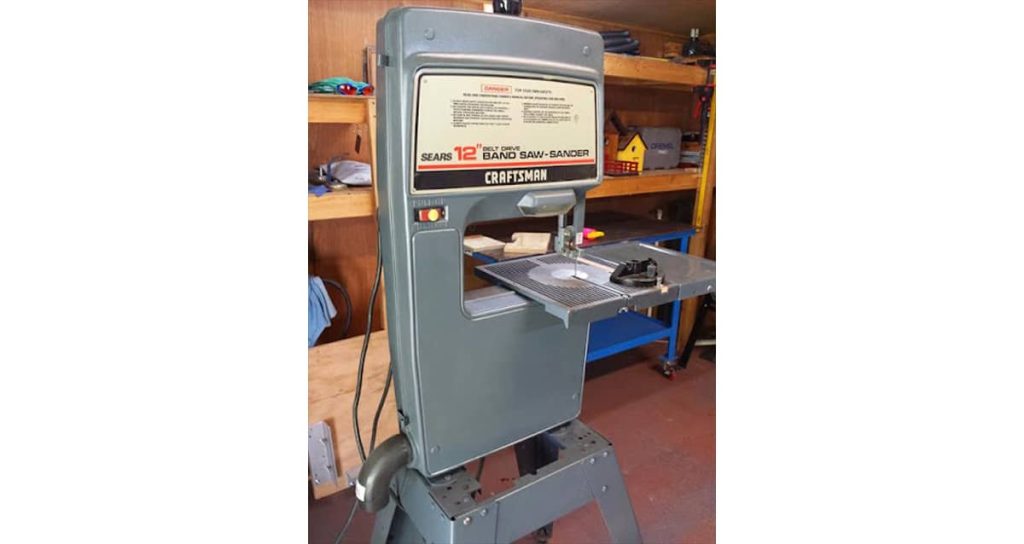
Floor space is an important factor in bandsaw selection. A 12-inch bandsaw occupies less room and fits well in compact workshops. A 14-inch bandsaw requires additional space but benefits from a heavier frame that improves stability during taller or wider cuts.
12-Inch vs 14-Inch Bandsaw Feature Comparison
| Feature | 12-Inch Bandsaw | 14-Inch Bandsaw |
|---|---|---|
| Throat measurement | About 11–11.5 inches | About 13–13.5 inches |
| Typical resaw capacity | 5–7 inches | 6–8 inches (up to 12 with riser) |
| Motor size | 1/2–3/4 HP | 1–1.5 HP or more |
| Supported blade widths | Up to 1/2–5/8 inch | Up to 3/4–1 inch |
| Required floor area | Minimal | Moderate |
| Upgrade options | Few | Widely available |
Motor Output and Cutting Consistency
Motor strength influences feed pressure and cutting reliability. A 12-inch bandsaw generally uses a lower-powered motor that favors slower cuts and lighter material. A 14-inch bandsaw delivers higher torque, allowing smoother operation through thicker boards and denser wood species.
Blade Capacity and Control
-
Narrow blades allow detailed curved cuts
-
Wider blades improve straight-line stability
-
Larger machines support broader blade sizes
Resaw Height as a Key Separator
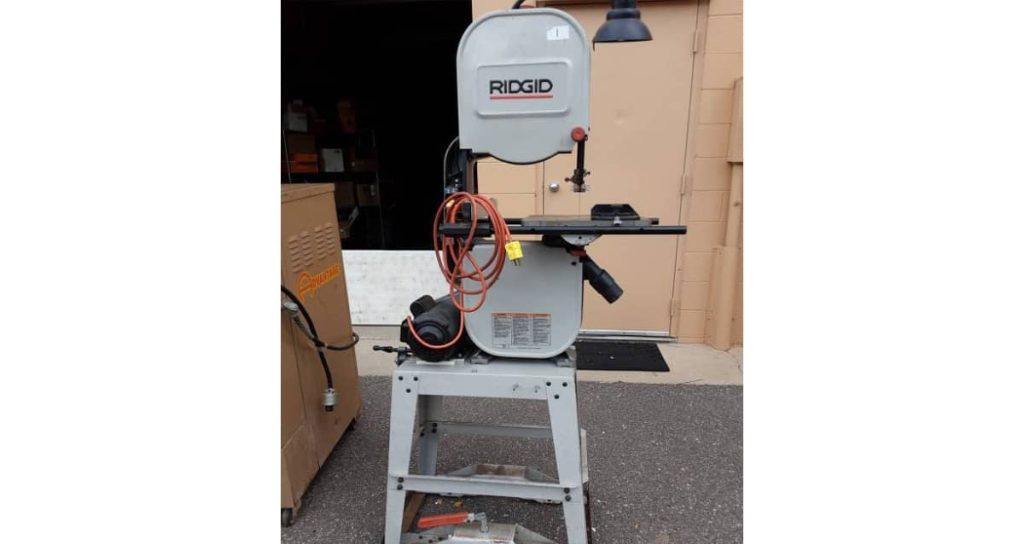
Resaw height often determines which bandsaw size is appropriate. A 12-inch bandsaw handles moderate thickness, while many 14-inch bandsaws can be fitted with riser blocks to increase vertical cutting height. This added clearance supports processing thicker lumber and producing matched panels.
Common Applications by Bandsaw Size
Typical Uses for a 12-Inch Bandsaw
-
Small part shaping
-
Hobby-level woodworking
-
Light trimming work
-
Thin material preparation
Typical Uses for a 14-Inch Bandsaw
-
Resawing wider boards
-
Furniture component cutting
-
Hardwood stock preparation
-
Larger blank processing
Cost Considerations Over Time
Initial pricing differs notably between the two sizes. A 12-inch bandsaw is generally more accessible, while a 14-inch bandsaw requires a higher upfront cost. Over time, the larger format supports additional accessories and configuration changes that can extend its usefulness as shop needs evolve.
Understanding Pro Tech 3203 Bandsaw Blade Sizes
Selecting the correct blade size is essential for maintaining proper tracking, tension, and cutting control on any bandsaw. The Pro Tech 3203 uses specific blade dimensions that directly affect performance and compatibility with different cutting tasks. For a clear breakdown of supported blade lengths, widths, and suitable applications, take a moment to review our article “Pro Tech 3203 Bandsaw Blade Sizes Explained.”
Points to Evaluate Before Choosing
-
Available workshop floor space
-
Material dimensions commonly used
-
Required cutting height
-
Anticipated future projects
-
Equipment budget
The choice between a 12-inch and 14-inch bandsaw depends on shop size, material requirements, and long-term plans. A 12-inch bandsaw suits lighter work in limited spaces, while a 14-inch bandsaw offers increased capacity, stronger motors, and broader setup flexibility. Selecting the appropriate size supports reliable cutting performance aligned with your workshop goals.