Why Guide Upgrades Make a Noticeable Difference
Ridgid 14″ bandsaws are widely used in hobby shops and light-duty woodshops, but many owners find that the factory guide assemblies limit accuracy during resawing or extended cutting sessions. Heat, friction, and constant fine-tuning all contribute to inconsistent results. Upgrading to a bearing-style guide system offers smoother tracking, better blade support, and longer blade life without requiring a different saw.
Common Issues With Stock Ridgid Guides
-
Rubbing and heat from steel or phenolic guide blocks
-
Blade wandering on straight or tall cuts
-
Faster dulling from friction
-
Frequent adjustments that don’t hold position
-
Less control when switching blade widths
-
Added vibration from worn or grooved blocks
How Bearing Guide Kits Enhance Cutting Performance
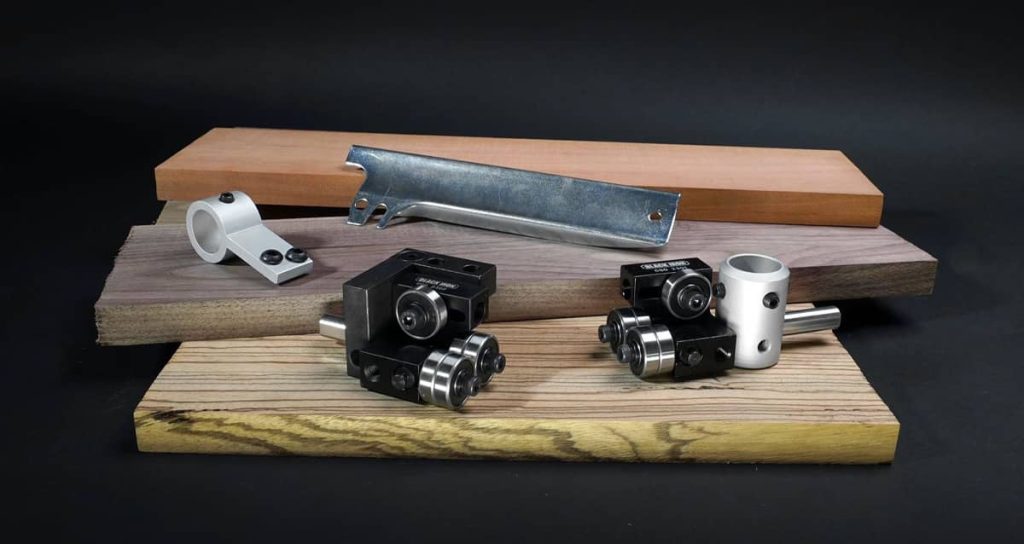
Bearing-based kits rotate with the blade rather than pressing against it, which reduces drag and helps the blade glide through hardwoods, softwoods, or mixed materials with less effort. This improvement leads to steadier tracking, better feed control, and more uniform cut surfaces—even on demanding passes.
Why Many Ridgid Owners Choose Aftermarket Options
Block-style guides supplied with Ridgid saws function acceptably for occasional tasks but are limited when working with thicker or taller stock. Aftermarket bearing kits use precision hardware and sealed components that hold alignment longer, resist debris buildup, and maintain smooth operation over time. For users who cut frequently or need reliable accuracy, these systems provide a meaningful performance boost.
OEM vs. Aftermarket Guide Kits: What Changes
| Feature | Stock Ridgid Guides | Aftermarket Bearing Kits |
|---|---|---|
| Friction Level | Higher due to fixed block pressure | Lower due to rotating bearings |
| Alignment Control | Declines as blocks wear | Maintains stability longer |
| Heat Generation | Increases under load | Reduced through rolling contact |
| Blade Longevity | Shortened by drag | Extended with cooler operation |
| Adjustment Needs | Frequent | Occasional tune-ups |
| Overall Value | Lower initial price | Better return across long-term use |
How Better Support Helps Blades Last Longer
When the blade is held steady and allowed to run cooler, stress on the weld and tooth edges is minimized. This is especially important during resawing or hardwood work, where strain on the blade is higher. Many users report fewer unexpected failures and longer intervals before sharpening or replacement.

Compatibility Considerations Before Buying
-
Confirm the exact Ridgid model (BS14000, BS14001, BS14002, etc.)
-
Match the kit to the blade widths you use most often
-
Check whether your saw includes a riser block
-
Identify your upper guide post type (hex or round)
-
Compare your current mounting bracket with the kit specs
-
Note any production changes for older Ridgid models
What to Expect During Installation
Installation typically requires removing the blade and original guide assemblies, attaching the new brackets, and positioning the bearings close to the blade without binding. Once the blade is tensioned and the wheels are tracking correctly, several trial cuts help refine the adjustments for optimal performance.
Signs That an Upgrade Could Help Your Ridgid Saw
-
Cuts that drift even with proper tension
-
Uneven or rough cut surfaces
-
Heat buildup during long operations
-
Excess wear on guide blocks
-
Frequent post-cut adjustments
-
Poor results when cutting tall or wide boards
What Users Commonly Notice After Switching to Bearing-Based Guides
Many users observe cleaner and more accurate cuts, reduced heat during heavy workloads, and less time spent fine-tuning guide settings. Improved alignment also lowers blade wear, supporting more predictable performance across different materials. Over time, the upgrade often reduces blade replacement costs and improves workflow.
Learn What Matters When Upgrading Ridgid Bandsaw Guides
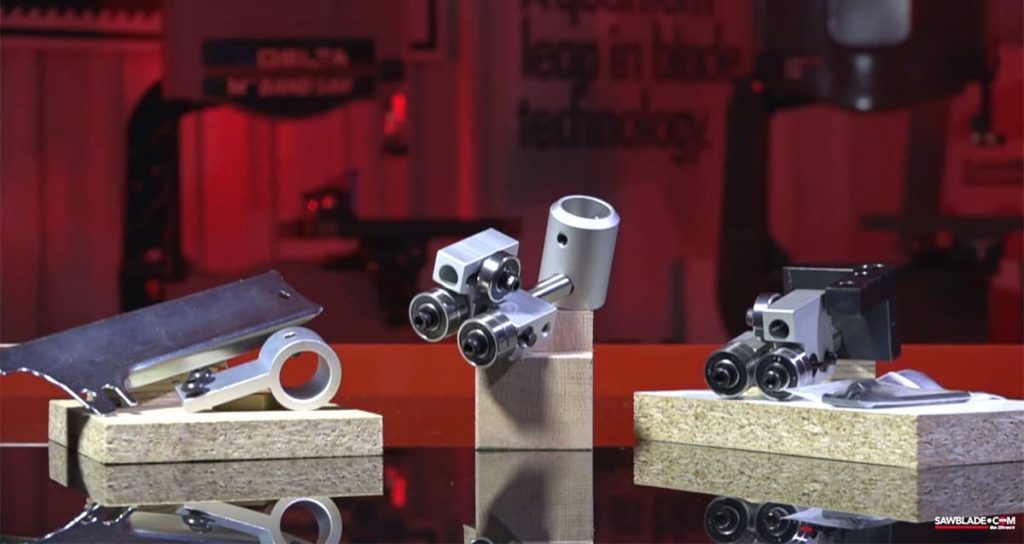
If your Ridgid bandsaw struggles with blade drift, excess heat, or frequent adjustments, guide selection may be the cause. The article “Choosing Better Blade Guides for Ridgid Bandsaws: What Users Should Know” explains how different guide styles affect blade stability, cut quality, and long-term performance. It outlines key considerations before upgrading and helps Ridgid users understand which guide features provide the most practical improvement for everyday cutting tasks.
When a Bearing Kit Offers the Best Return
A guide system upgrade is especially useful if you:
-
Resaw lumber on a regular basis
-
Work with hardwoods or thick materials
-
Need consistent, repeatable accuracy
-
Prefer smoother feed pressure with less resistance
-
Want to lower the frequency of blade failures
Upgrading a Ridgid bandsaw with a bearing-style guide kit is a practical way to improve cut quality, reduce heat, and extend blade service life. Aftermarket systems provide steadier support and require fewer adjustments than factory block-style guides. For woodworkers aiming for better control and long-term reliability, a Ridgid-compatible bearing kit is a worthwhile improvement.