Why an 18-Inch Bandsaw Often Feels Like a Major Step Up
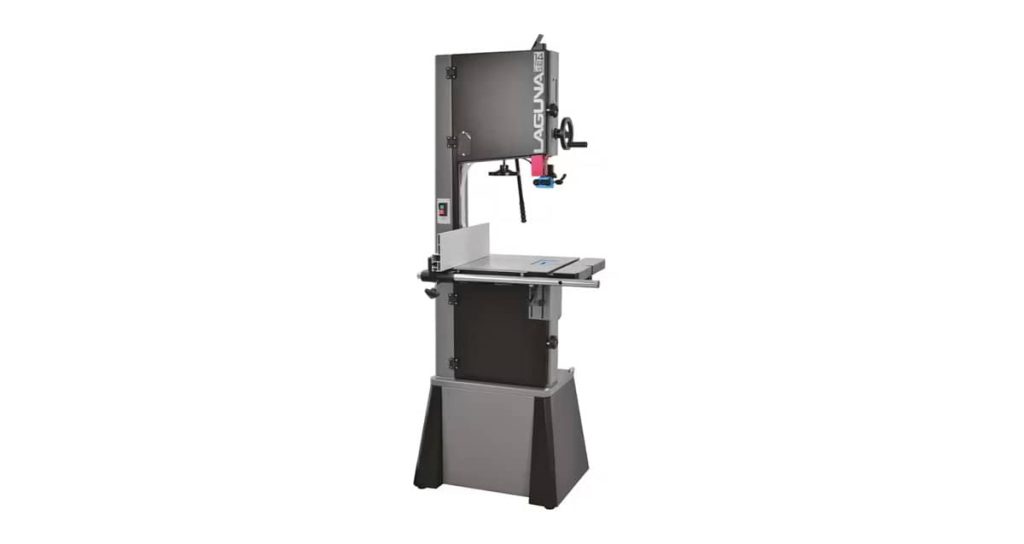
An 18-inch bandsaw usually feels like a much bigger jump than the numbers suggest because it adds frame rigidity, more resaw room, and a steadier feel in the cut than smaller machines. Woodworkers moving up from a 14-inch or 16-inch saw often notice that immediately. The saw feels heavier, more settled, and more capable, but it also becomes less forgiving when setup is off. That is why blade setup, core adjustments, and performance upgrades matter so much on an 18-inch bandsaw. Even with more size and power, the saw can still drift, burn, chatter, or leave rough surfaces if the setup is not right.
What Usually Has the Biggest Effect on an 18-Inch Bandsaw
- Blade width matched to the type of cut
- Tooth count suited to stock thickness and feed rate
- Blade tension based on real behavior instead of the scale alone
- Consistent wheel tracking before guide setup starts
- Guide and thrust bearing adjustment that supports the blade without forcing it
- Fence, dust collection, and electrical supply that do not limit the saw
Why 18-Inch Bandsaws Belong in a Different Category
An 18-inch bandsaw is not simply a slightly larger version of a 16-inch saw. What usually changes is frame stiffness, support for wider blades, motor output, and resaw height that makes larger board work feel practical rather than borderline. That added capacity also means setup issues become easier to see. If tension is too low, if the guides are too tight, or if the blade is wrong for the task, an 18-inch bandsaw will often show that quickly through drift, washboarding, or extra heat in the cut. The machine gives more cutting ability, but it also asks for better setup in return.
Blade Choice Affects Performance More Than Many Owners Expect
Blade selection is often the single biggest factor in how an 18-inch bandsaw performs. A wider blade is not automatically the better choice. A 1 inch or 1-1/4 inch blade may be the right fit for dedicated resawing, but a narrower blade under proper tension will often cut better than a wide blade that is not tensioned well enough. In normal shop work, 1/4 inch to 3/8 inch blades still make sense for curves and tighter work, 1/2 inch to 3/4 inch blades fit much of general cutting, and the widest blades are usually best saved for straight resaw cuts. Tooth count matters just as much. Thick hardwood and tall resawing usually work better with 2 to 3 TPI, while thinner stock often benefits from more teeth. Too many teeth can fill the gullets, build heat, and make the blade wander.
Blade and Setup Choices at a Glance
| Area | Common Range or Choice | What It Usually Fits Best |
|---|---|---|
| Blade width | 1/4 inch to 3/8 inch | Curves, tighter work, green wood |
| Blade width | 1/2 inch to 3/4 inch | General shop use and light resawing |
| Blade width | 1 inch to 1-1/4 inch | Dedicated resawing and straight cuts |
| Tooth count | 2 to 3 TPI | Thick hardwood and resawing |
| Tooth count | 3 to 4 TPI | General ripping |
| Tooth count | 4 to 6 TPI | Thinner stock and smoother cuts |
| Blade type | Carbon steel | Lower cost work and lighter cutting |
| Blade type | Bi metal | Durable general shop use |
| Blade type | Carbide tipped | Strong resaw performance and long blade life |
Core Adjustments Usually Decide Whether the Saw Feels Good or Frustrating
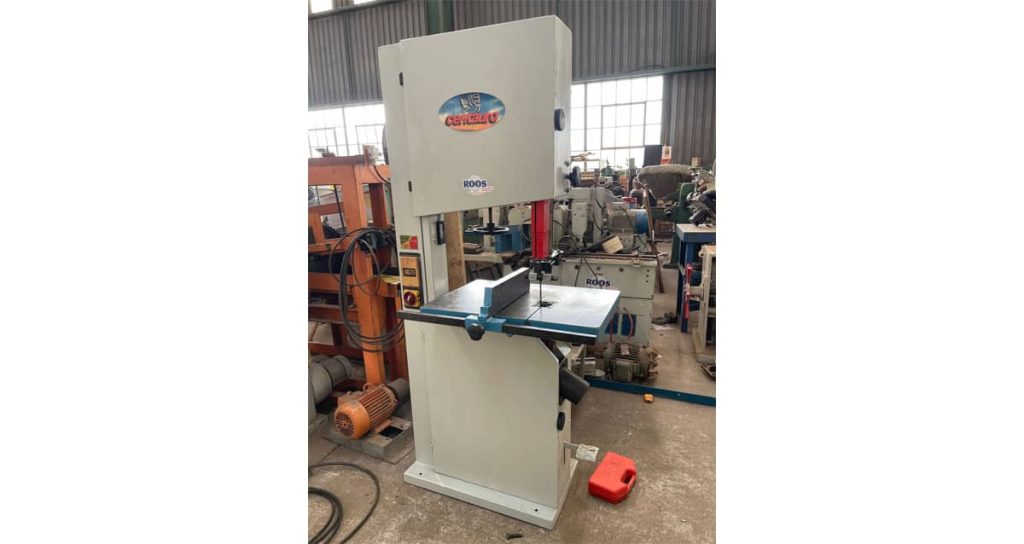
The first adjustments on an 18-inch bandsaw should begin at the wheels, not at the fence. Wheel alignment and tracking come first. If the wheels are not reasonably aligned, or if the blade does not track steadily at speed, nothing done later at the guides or fence will fix the saw in a lasting way. Blade tension comes next, and this is where many users get misled because the scale on the machine is often not accurate enough to trust by itself. A flutter test can help on narrower blades, but wider resaw blades need real tension rather than guesswork. After that, guides should be set to support the blade instead of pushing it into line, and the thrust bearing should only come into play when cutting pressure moves the blade back.
Adjustments That Usually Make the Biggest Difference
- Check wheel alignment and tracking before touching the fence
- Set blade tension with a practical method instead of trusting the scale
- Position side guides just behind the gullets
- Keep guides close enough to support the blade without creating contact at idle
- Set the thrust bearing so it works only during the cut
- Square the table to the blade before fine tuning the fence for resaw work
Fence and Table Setup Matter More on an 18-Inch Saw
An 18-inch bandsaw often gets used for work where fence quality and table alignment matter much more than they do on lighter machines. During resawing, the table should be square to the blade rather than assumed correct because an indicator says so. The fence should stay rigid under pressure and either allow slight drift correction or remain neutral if the blade and setup permit it. A weak fence can waste good stock very quickly. This is one reason many owners begin looking at upgrades after using the saw for a while. If the blade is good and the frame is solid, the fence often becomes one of the next weak spots they notice.
Performance Upgrades That Usually Pay Off
- A high quality resaw blade suited to your stock and feed habits
- A stronger tension spring if the saw supports one
- A better fence for veneer work or wide resaw cuts
- Improved dust collection at the cabinet and lower wheel area
- A proper 220V setup if the saw allows it
- Better sealing around collection ports and cabinet openings
The Best Upgrades Usually Help the Whole Cutting System
The most useful upgrades on an 18-inch bandsaw are the ones that improve the whole cutting system rather than simply adding more parts. A strong resaw blade can change the feel of the machine more than almost any other single item. A better tension spring can make wide blades easier to control and reduce flutter. A stronger fence can make veneer and straight resaw cuts much more predictable. Dust collection matters too, especially on a larger saw that moves a lot of air and throws a lot of fine waste into the cabinet. Even the electrical setup can affect how the saw feels. A proper 220V supply with correct wiring usually gives a steadier and stronger feel under load than a weak power arrangement with long cords or undersized circuits.
Common 18-Inch Bandsaw Problems and What They Often Mean
- Wandering cuts often point to low tension, a dull blade, or gullets packed with waste
- Burning often points to too many teeth, slow feed, or a dull blade
- Washboarding often points to vibration, loose guides, or a weak blade weld
- Motor slowdown often points to aggressive feed pressure or weak electrical supply
- Short blade life often points to poor guide setup or constant thrust bearing contact
- Rough surfaces often point to the wrong blade for the stock or an unstable setup
A Good 18-Inch Bandsaw Works Best as a Complete System
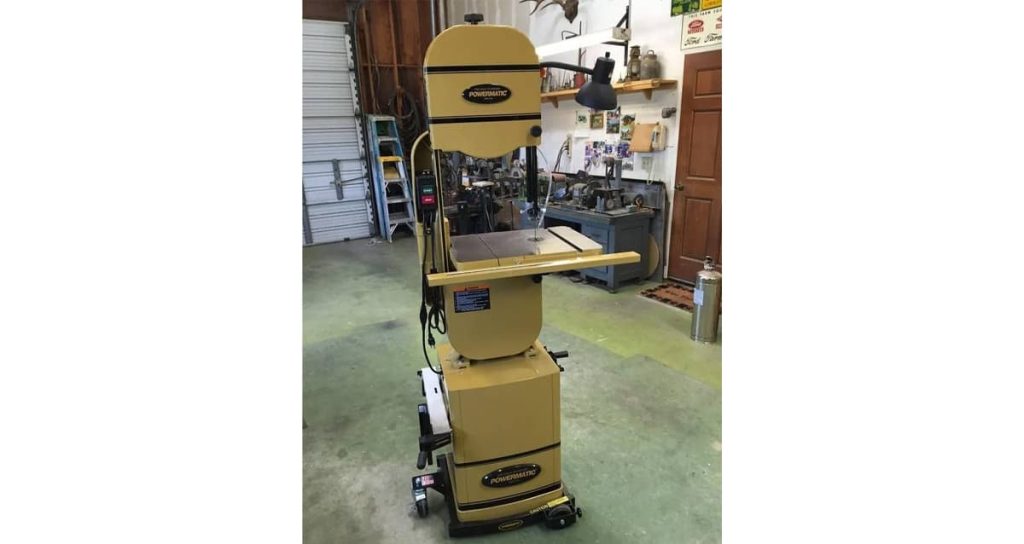
An 18-inch bandsaw can do very clean and accurate work, but it performs best when it is treated as a complete system rather than as a single machine with a motor and blade. Blade choice, tension, tracking, guide setup, fence quality, dust collection, and power supply all affect one another. If one part of that system is off, the saw usually tells you quickly. When those parts are working together properly, the machine becomes one of the most useful tools in the shop, especially for resawing and larger stock work.
Thinking About a 16-Inch Bandsaw Instead?
If you are also comparing whether a 16-inch machine might be enough for your shop, our article on 16-Inch Bandsaws Explained: Real Differences, Smart Upgrades and Buying Tips is a helpful next read. It looks at how 16-inch bandsaws differ in real use, which upgrades tend to be worth making, and what buyers should watch for before choosing one. It is a useful follow-up if you want a clearer sense of whether moving all the way up to an 18-inch saw is really necessary for the work you do.
What Usually Helps an 18-Inch Bandsaw Reach Better Performance
- The right blade width for the cut instead of the widest blade available
- Tooth count matched to stock thickness and feed rate
- Proper blade tension based on real behavior, not just the marked scale
- Guides that support the blade without adding heat or pressure
- A fence that stays square under load
- Smart upgrades that improve cutting instead of just changing hardware
When an 18-Inch Bandsaw Is Set Properly, the Difference Is Clear
A properly set 18-inch bandsaw usually feels smooth, controlled, and much more capable than a smaller machine working near its limit. With the right blade, careful adjustments, and a few upgrades that actually matter, it becomes a reliable tool for resawing, ripping, curved work, and daily shop cutting. The goal is not to chase every extra accessory. It is to get the basics right first and then improve the parts of the system that most affect cut quality and blade life.