Why a 16-Inch Bandsaw Often Feels Like the Right Next Step
A 16-inch bandsaw is often the point where a shop moves from making do with a smaller saw to using a machine that feels more settled and more capable. That usually becomes clear during resawing, thicker curved work, or longer cutting sessions where a 14-inch saw starts to show its limits in power, frame rigidity, and blade control. A good 16-inch bandsaw usually adds more resaw height, stronger tensioning, and better stability under load without pushing all the way into the footprint, cost, and electrical demands of a much larger machine.
What Usually Deserves the Most Attention on a 16-Inch Bandsaw
- Frame rigidity during resawing and heavier cuts
- Motor strength and voltage setup
- Blade width capacity and real tension performance
- Guide type and ease of adjustment
- Fence quality and table support
- Shop space, saw weight, and mobility needs
Why 16-Inch Bandsaws Fit So Many Serious Shops
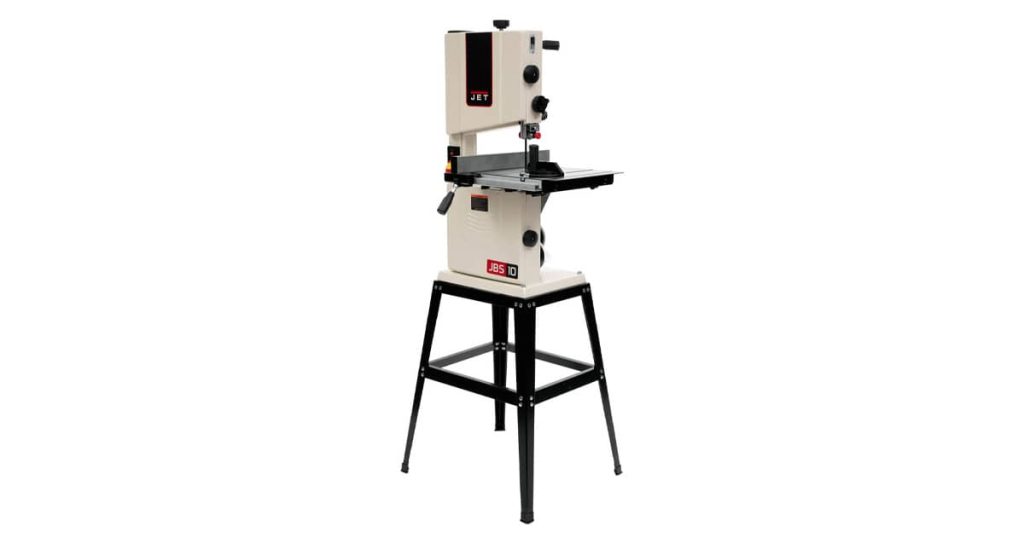
A 16-inch bandsaw sits in a useful range because it handles many real shop tasks without becoming too large for everyday use. Compared with a 14-inch bandsaw, it usually offers more resaw height without the compromise of a riser block, stronger overall construction, and better support for wider blades. Compared with an 18-inch or 20-inch machine, it is often easier to fit into a smaller shop, easier to power, and less expensive to buy. For many serious hobby users and smaller professional shops, that balance is what makes the 16-inch class so appealing.
The Real Differences Between 16-Inch Bandsaws Usually Show Up in Use
A spec sheet can tell you blade size range, motor rating, or table dimensions, but it does not always tell you how the saw will behave once it is doing actual work. Two 16-inch bandsaws can list similar horsepower, similar resaw height, and similar blade width capacity, yet feel very different once a wide blade is tensioned and hardwood is moving through the cut. Frame design is a major factor here. Welded steel frames usually feel stiffer and are often the better fit for resawing, while older cast iron machines can run smoothly but need closer inspection for cracks, wear, and alignment. Fence rigidity, trunnion strength, and the quality of the drive system often matter just as much as the larger specs buyers look at first.
Quick View of 16-Inch Bandsaw Features That Matter Most
| Feature Area | What to Check | Why It Matters |
|---|---|---|
| Frame design | Welded steel or sound cast iron construction | Better rigidity and less blade movement under load |
| Motor setup | Strong motor, often 220V for regular resawing | Better torque and less slowdown in thicker stock |
| Blade tension ability | Real support for wider blades under tension | Straighter cuts and better resaw results |
| Guide system | Bearing, ceramic, or Euro style adjusted well | Helps support the blade and reduce wandering |
| Table and trunnions | Cast iron table and strong locking support | More stability and less flex during use |
| Fence quality | Rigid, square, and easy to adjust | More repeatable resawing and less frustration |
Motor Strength Means More Than the Label Suggests
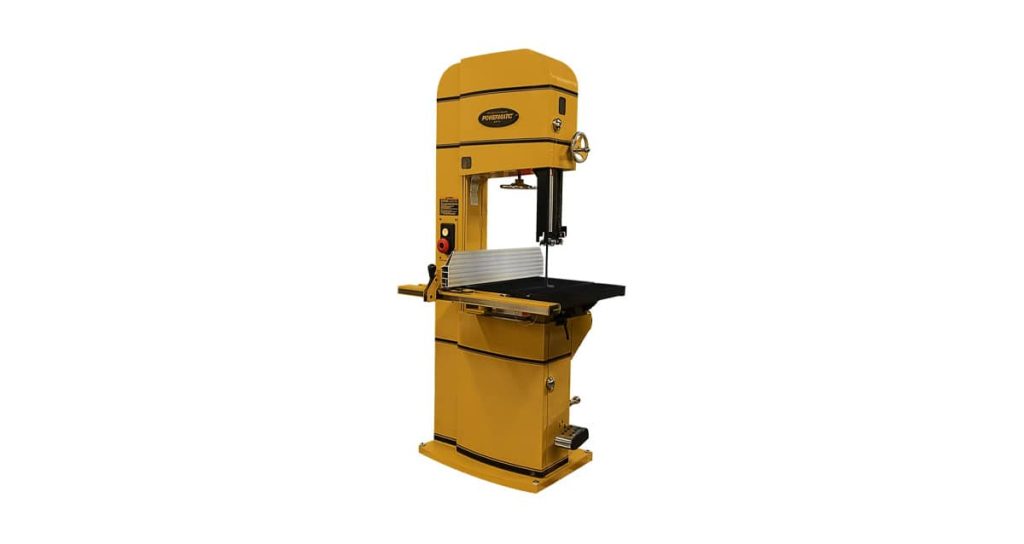
Motor strength is one of the easiest parts of a 16-inch bandsaw to misread. A saw may be listed at 1.75 HP, 2.5 HP, or 3 HP, but those numbers do not always tell you how it behaves once the cut starts. Voltage matters, pulley and belt design matter, and overall motor quality matters. If resawing is a regular part of your work, a 220V setup with around 2.5 to 3 HP usually feels far more relaxed than a lighter arrangement working near its limit. A saw that keeps blade speed steady in hardwood is usually more useful than one that looks strong on paper but slows down once the stock gets serious.
Upgrades That Usually Earn Their Keep
- A quality resaw blade matched to the stock you cut most often
- A stronger fence if the stock fence flexes or drifts out of square
- A solid mobile base that does not twist the saw frame
- A better tension spring if the saw supports an upgrade
- Careful guide setup with parts in good condition
- Better dust collection near the lower wheel area
A Better Blade Often Changes the Whole Feel of the Saw
Many users judge a 16-inch bandsaw too quickly with the blade that came installed on it. In day to day shop use, a strong resaw blade can change the way the entire machine feels. A mid-range saw with a good blade often cuts better than a more expensive saw running a weak stock blade. That is especially true in hardwood resawing, where blade quality, tooth pattern, and correct tension all work together. Before deciding a saw is underwhelming, it is usually worth installing a blade that suits the work and giving the machine a proper setup.
Buying Tips That Usually Prevent Expensive Regret
- Put frame rigidity ahead of extra features
- Check whether the saw can really tension the blade width it claims to support
- Inspect the fence and trunnions closely on both new and used saws
- On used machines, check wheel alignment, tracking, and motor noise first
- Treat missing accessories as minor, but treat structural faults as serious
- Make sure the saw fits both your electrical setup and shop space
Used 16-Inch Bandsaws Can Be a Very Good Value
A used 16-inch bandsaw can be an excellent buy if the important parts are checked carefully. A missing fence, worn blade, or old paint is usually not a major concern. A cracked frame, damaged wheel, noisy motor, or poor tracking across speeds is much more serious. If you are buying used, pay close attention to wheel alignment, the condition of the casting or welds, how the tension system works, and how the saw sounds under load. Many buying mistakes happen because someone focuses too much on advertised resaw height and not enough on the parts that actually affect cut quality.
Common Mistakes Buyers Make with 16-Inch Bandsaws
- Focusing only on maximum resaw height
- Assuming all 2 HP or 3 HP saws feel the same in use
- Thinking the stock blade is a fair test of the machine
- Ignoring fence quality and table support
- Forgetting how hard a heavy saw can be to move in a smaller shop
- Buying too small again just to save money once more
The Best 16-Inch Bandsaw Is Usually the One That Fixes the Right Problem
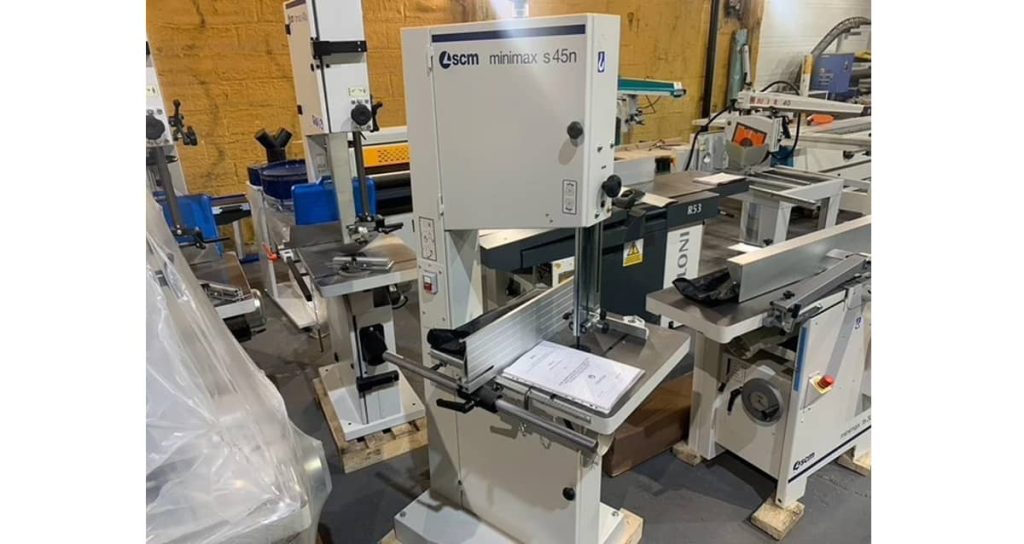
The best 16-inch bandsaw is not always the most expensive one or the one with the longest list of extras. It is usually the one that matches the work you actually do. If you resaw hardwood often, frame rigidity, motor strength, blade tension, and fence quality should rise to the top of the list. If your work leans more toward curves and general shop cutting, those same details still matter, but not in exactly the same way. Once you know where your current saw is falling short, the right 16-inch upgrade usually becomes much easier to identify.
Working with an Older Delta Bandsaw Too?
If you also have an older Delta machine in the shop, our article on Delta 28-203 Guide: Manual, Blade Size, Parts, and Common Fixes is a helpful next read. It goes through the manual, practical blade size questions, parts details, and the issues owners often run into when setting up or maintaining that model. It is a useful follow-up if you want clearer information on keeping a Delta 28-203 cutting well and running more smoothly.
Who a 16-Inch Bandsaw Usually Fits Best
- Woodworkers who resaw hardwood regularly
- Shops that want more stability than a 14-inch saw usually gives
- Users who need repeatable straight cuts with less blade deflection
- Buyers who want serious cutting ability without moving to industrial size
- Small professional shops that need stronger daily performance
- Hobby users who are tired of fighting an underpowered machine
A 16-Inch Bandsaw Can Be the Long-Term Saw Many Shops Settle On
For many shops, a 16-inch bandsaw is the size where the machine starts to feel less like a compromise and more like a lasting answer. It gives much of the strength, height, and stability people want once resawing becomes a regular part of the work, while still staying more manageable than a much larger saw. If you buy with the right priorities, add the upgrades that actually matter, and avoid getting distracted by weaker extras, a 16-inch bandsaw can serve for many years and make routine cutting feel much easier.